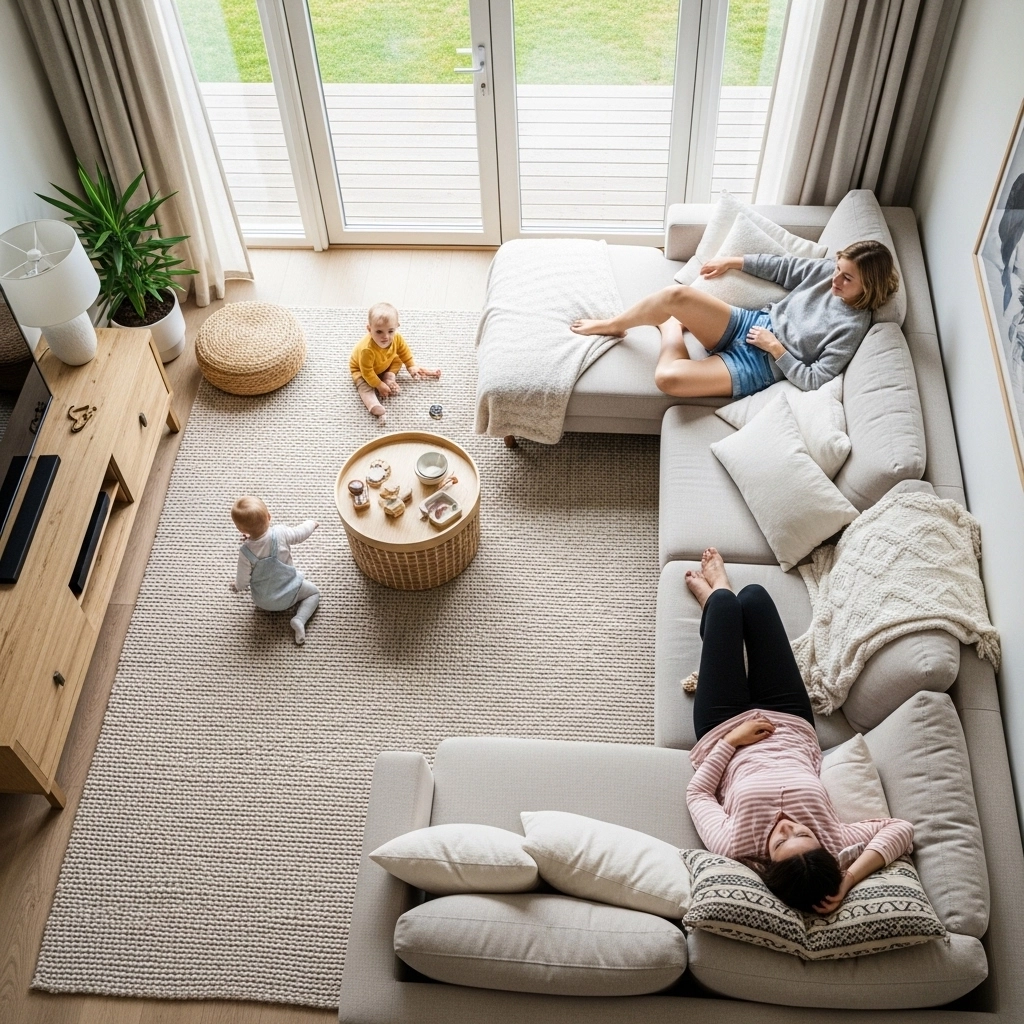
Choosing the right tumble rug can make daily life cleaner, safer, and less stressful—especially with kids or pets in the house. If you want a practical, low-maintenance flooring solution but feel overwhelmed by endless options and unclear claims, this guide breaks it down realistically. You’ll learn what a tumble rug actually is, how it compares to traditional rugs, where most washable rugs fail, and proven steps to get the most out of this washable essential.
Key Takeaways
Tumble rugs are engineered for hassle-free cleaning, true non-slip performance, and everyday durability—especially for families with kids and pets.
Most washable rugs cut corners on pad design or slip resistance, but Tumble’s two-piece structure and corner anchors solve common issues.
There’s still a lack of hard lifespan, odor, and total cost data for washable rugs—so it pays to buy for quality, not just looks.
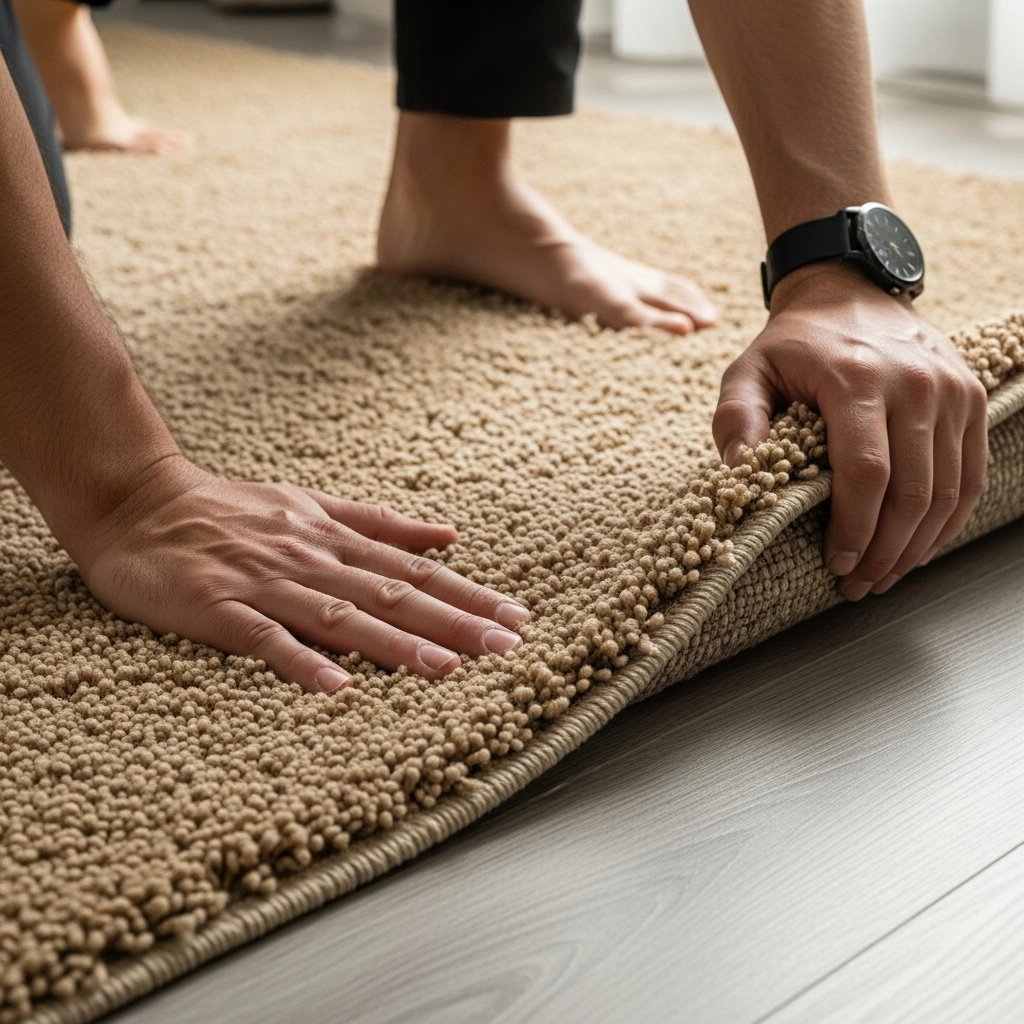
A tumble rug is a modern, machine-washable area rug designed for families who want attractive floors without the burden of professional cleaning or constant worry about stains. Unlike traditional rugs, which are heavy, hard to wash, and prone to stains or odor retention, tumble rugs feature a low-pile, spill-resistant top layer that detaches from a cushioned, non-slip pad. This structure makes them extremely practical for busy homes—and explains why demand for tumble rugs surged by 27% in 2024, with families and pet owners making up over a third of buyers (source).
Washable area rugs—especially those in the $99 to $539 range like Tumble—are designed to withstand daily wear and tear. The secret is in the double-layered build: a stain- and spill-resistant, non-toxic, easy-to-wash top, attached via corner pockets to a thick, slip-resistant pad that holds the rug in place. This two-piece system means no wrinkling, corner curling, or obvious pad edges—a complaint with cheaper washable options. Tumble rugs also offer bold, hand-drawn designs in various sizes suited for kitchens, living rooms, and play areas, helping them stand out in a market often criticized for bland, generic-looking washable rugs.
The trend is clear: online sales for machine-washable rugs jumped 35%, and searches for “pet friendly area rugs” and “washable runner rugs” exploded (+30% and +700%, respectively), showing more families are ditching traditional rugs for easier, safer, and more attractive solutions (market report).
How to Choose, Set Up, Clean, and Maintain a Tumble Rug: Step-by-Step
Choose the Right Size and DesignMeasure your space. Tumble rug sizes go from 3×5’ (runners or kitchens) up to 9×12’ (living rooms). Consider high-traffic zones and areas prone to spills. Opt for busy patterns to hide stains, as recommended for pet/kid households.
Select a Two-Piece System for True Non-Slip PerformanceAlways choose a tumble rug that comes with a thick, 1/4” cushioned pad and corner pockets. This design ensures the rug stays flat and does not shift, curl, or wrinkle—outperforming cheaper single-layer options (see comparison).
Easy Installation and Setup TipsLay the cushioned pad flat on a clean floor. Align the rug’s corners with the pad’s corner pockets, then work outward to smooth air pockets. The snug fit prevents the pad from showing or bunching—even with daily traffic.
Machine Wash as Needed, Spot Clean for Small MessesTumble rugs are built for repeat washing in a standard machine (just the top). For quick cleaning, spot clean spills immediately—they bead up on the surface. For pet accidents or mud, remove the top, run on a gentle cycle, and air dry or tumble dry as directed.
Routine Upkeep: Vacuum and InspectLow-pile tumble rugs withstand regular vacuuming without wrinkling. Every few weeks, check the pad for wear or compression. If needed, reposition to keep optimal grip. Most users report no issues with pad shifting over time.
💡 Pro Tip: Skip the harsh chemicals—instead, use a mild, fragrance-free detergent to preserve the rug’s water-repellent properties and color brightness over hundreds of washes. This helps maintain both stain resistance and safety for crawling kids and pets.
🔥 Hacks & Tricks: Rotate your tumble rug every 3-6 months—especially in high-traffic zones—to prevent uneven wear spots and fading. You can also swap pads and toppers of the same size for a quick design refresh without buying a new rug.
To add scent or boost laundry freshness without residue, pair your rug wash with hypoallergenic scent beads—just avoid direct contact with the rug pad to prevent build-up.
If you want to further childproof or pet-proof your home, read our detailed guide on best ways to simplify rug cleaning for busy families.
Advanced Analysis & Common Pitfalls: What Buyers & Brands Don’t Tell You
Not all washable or tumble rugs are created equal. Despite thousands of positive reviews, a few persistent challenges and unknowns pop up in real-world use—or remain unaddressed by most brands.
Common Pitfalls When Buying or Using Washable Rugs
Pad and Corner Troubles: Cheaper washable rugs often shift, bunch, curl, or reveal pad edges, especially after machine washing or heavy vacuuming. Tumble’s corner pockets help, but this is the #1 complaint in generic brands.
Stain and Odor Build-Up after Repeated Washes: While spills typically “bead up” and are easy to wash, persistent pet odors are harder to banish without enzyme pretreaters. True multi-wash odor removal data is still lacking (Consumer Reports).
Durability Over Years: Brands rarely publish long-term color-fastness or structural integrity results after dozens of washes. Material and stitching quality vary between brands and batches.
Higher Upfront Cost: While Tumble is more affordable than thousand-dollar traditional rugs, a quality washable rug still costs $99–$539. Some users may find the pad awkwardly bulky when laundering only the top layer.
Supply Chain Gaps: With 18% raw material cost increases and 23% of manufacturers facing delays, not all rugs maintain the same pad heft or top quality every time (Stat report).
Comparison: Traditional Rugs vs. Tumble Rugs
Feature
Tumble Rug
Traditional Rug
Cleaning Method
Machine washable, spot cleaning
Professional or spot cleaning only
Average Maintenance Cost
Low (DIY washing, quick drying)
High (professional cleanings required)
Stain/Odor Resistance
Spill-resistant top, easy stain removal; odor handling still TBD
Some washable rug sellers push broad allergy-safe or “pet-safe” claims. However, most lack third-party chemical or allergen-shedding certification. Always check for clear labeling and safe material disclosures—a big difference for sensitive homes.
If allergen control is a concern, a good air purifier can further reduce allergens trapped in rugs. See our Best Air Purifier Guide for evidence-based picks.
For families with hardwood floors, adding a tumble rug protects surfaces—see our full non-slip rug solutions guide for extra safety tips.
Finally, when comparing competitors, remember that Tumble and similar rugs invest in both cushion and grip, while many competitors simply glue thin pads or foam to cut costs. This difference affects both comfort and safety—especially for kids charging around corners.
For kitchen messes or extra hygiene upgrades, consider pairing with washable appliance handle covers to round out the easy-clean approach.
Conclusion
A high-quality tumble rug is one of the simplest, most effective upgrades you can make for a modern, family-friendly home. You get easy maintenance, safety, and bold design without the stress that comes with traditional area rugs or fragile washable knockoffs. Just remember: while technology has made them safer and more stylish than ever, it’s still smart to buy from trusted brands and to set realistic expectations about odor removal and long-term durability. Choose your tumble rug wisely—your cleaning routines, floor safety, and home style will thank you.
Ready to see which rug matches your goals? Compare our favorite kid and pet-friendly rugs or explore our complete washable rug guide for next steps.
FAQ
Are tumble rugs truly non-slip on hardwood or tile floors?Yes, tumble rugs use a thick, cushioned pad with corner anchors to stay firmly in place. They’re designed specifically to prevent sliding or wrinkling on slick surfaces, making them safer than rugs with thin or poorly attached backings.
How often can you machine wash a tumble rug without damage?You can wash the tumble rug top as often as needed. User reports and brand reviews indicate no obvious color fading or fraying after dozens of machine cycles, but hard multi-year lifespan data is still limited.
Do tumble rugs remove pet odors and stains completely?Most spills and surface stains are fully removed after spot cleaning or a single machine wash, but deep pet odors may require an enzymatic pre-treatment. No brand offers proven data on multi-cycle odor removal yet.
Are tumble rugs safe for babies, kids, and pets?Yes—if you choose a rug with a non-toxic, low-pile top and secure pad, it’s soft, durable, and easy to clean. Always check for chemical disclosures if you have allergy-prone or sensitive kids or pets.
How do I prevent the pad from bunching or shifting under the rug?Ensure you align the pad and rug topper carefully when setting up, anchoring each corner in the pockets. Frequent pad bunching is almost always a sign of improper installation or a poorly designed system—both are rare with Tumble rugs.