

Vertical gardening systems are rapidly becoming the go-to solution for anyone looking to maximize greenery in small indoor or outdoor spaces. Whether you live in an apartment with no yard or want to turn a bland fence into something beautiful and productive, these systems offer a compact, sustainable way to grow more with less space and water.
Key Takeaways
- Vertical gardening systems make urban, indoor, and small-space gardening feasible, efficient, and stylish.
- Choosing the right system, plant types, and maintenance methods is crucial for long-term success and minimal hassle.
- Costs, maintenance, and plant health challenges can be managed through modular designs, automation, and careful planning.
- What Are Vertical Gardening Systems and Why Use Them?
- How to Set Up a Vertical Gardening System: A Step-By-Step Guide
- Advanced Analysis & Common Pitfalls (Plus Cost Comparison)
- Conclusion
- FAQ
What Are Vertical Gardening Systems and Why Use Them?
Vertical gardening systems are modular structures or frameworks that enable you to grow a variety of plants on a vertical surface, such as an interior wall, balcony, fence, or free-standing frame. Unlike traditional gardens that sprawl horizontally, vertical gardens climb upwards, making them ideal for small apartments, balconies, patios, or even office spaces. These systems range from DIY pallet walls and commercial modular kits to smart, fully automated Hydroponic tower gardens.
The primary reasons to consider vertical gardening systems are space savings, improved accessibility, water efficiency, and the ability to bring nature indoors. Urbanization means more people live in places with little or no yard. Vertical gardens solve this challenge, offering a practical and stylish boost to your living space and wellbeing.
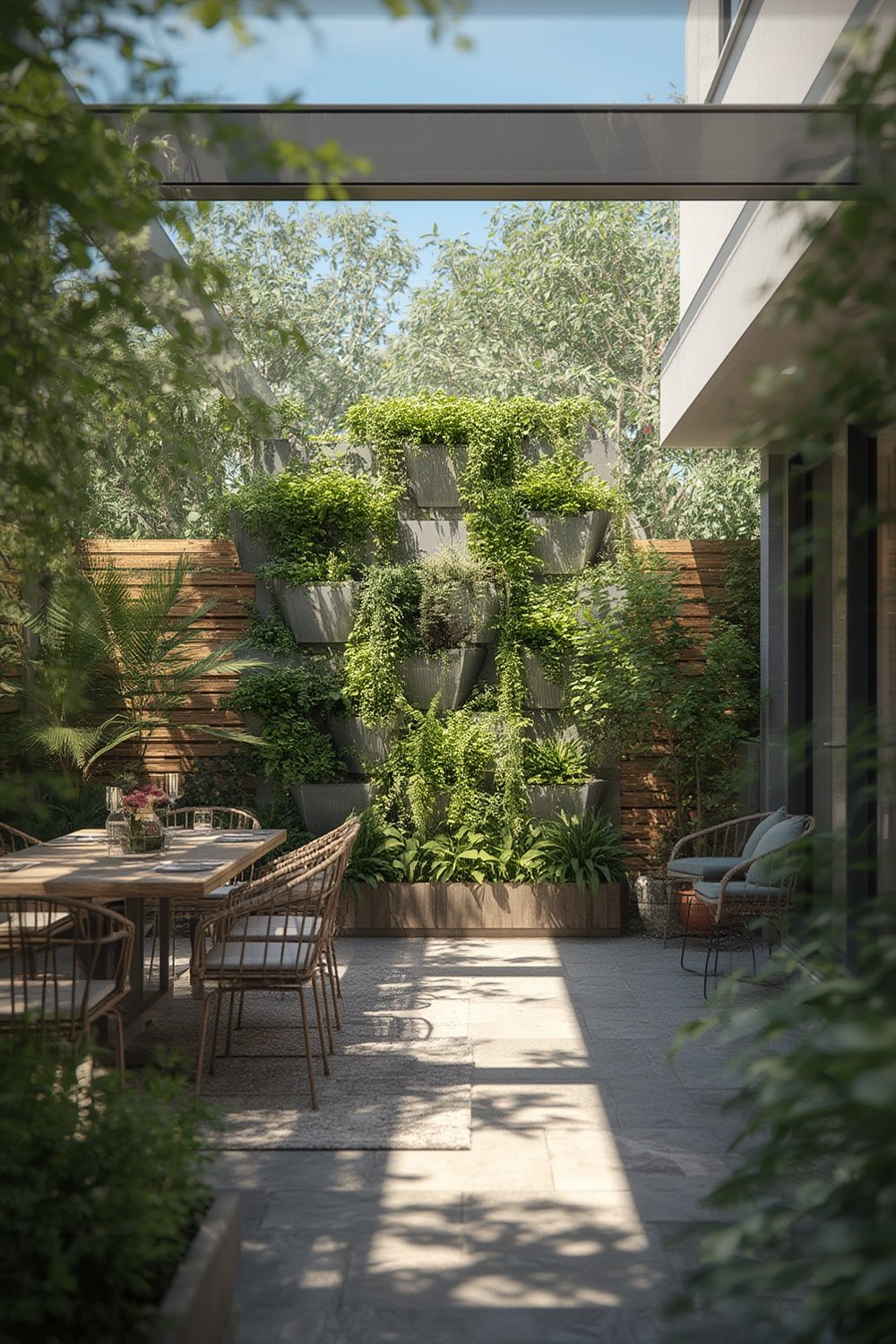
How to Set Up a Vertical Gardening System: A Step-By-Step Guide
-
Choose Your Location
Consider light, humidity, and access to water. Indoor systems thrive near windows or under full spectrum grow lights. Outdoors, ensure a sturdy wall or fence and avoid wind-prone spots. -
Select System Type
Options include:- Wall-mounted pockets or panels (classic living walls for herbs, ferns, and houseplants)
- Hydroponic tower gardens (soil-free, most efficient for yields and water use)
- DIY pallet gardens or upcycled planters (affordable, customizable, eco-friendly)
- Smart kits with automated irrigation and sensors
-
Pick Suitable Plant Varieties
Don’t limit yourself to common herbs. Try strawberries, lettuce, nasturtiums, microgreens, or compact bush tomatoes. Favor disease-resistant or low-root plants for best results. -
Install the Structure Carefully
Mount on a load-bearing wall or solid fence. Use corrosion-resistant hardware and ensure the system can handle weight when fully saturated with water. Leak management is crucial indoors. -
Set Up Irrigation & Fertilization
Use drip lines or built-in wicking systems. Hydroponic kits require nutrient solutions and precise pH monitoring. -
Monitor & Maintain
Check periodically for pests, nutrient deficiencies, dry pockets, or excess moisture. Prune plants, replace unhealthy specimens, and service pumps or irrigation lines as needed.
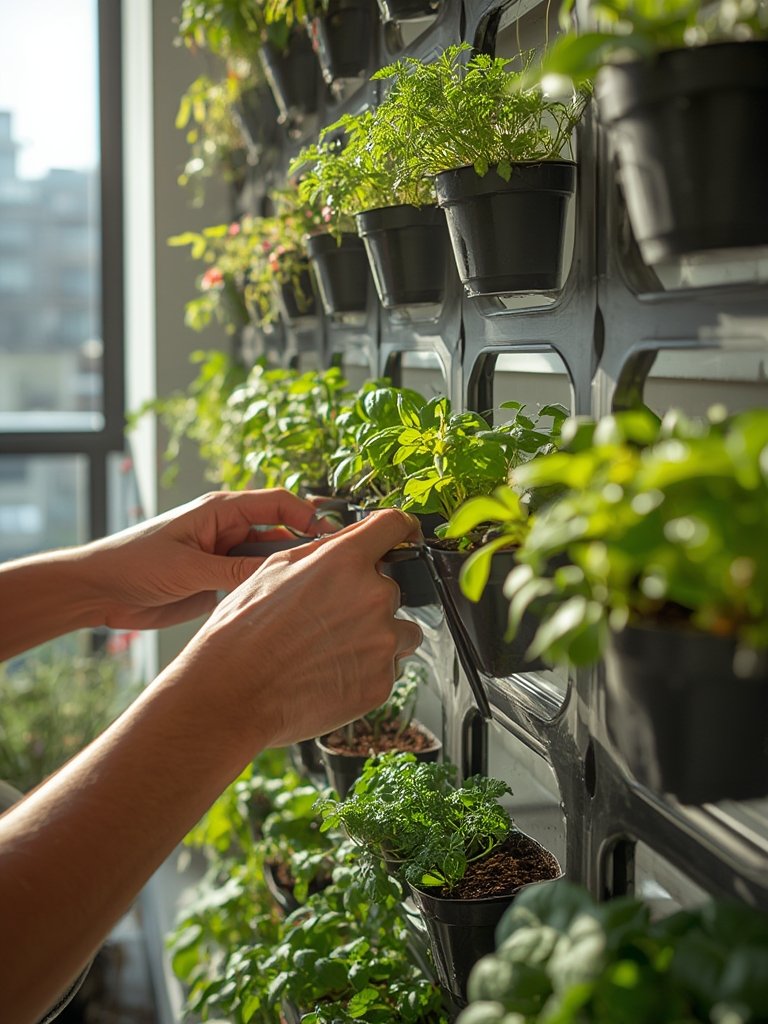
Looking for simple, low-maintenance outdoor options? Pair vertical gardens with a clover lawn for even more water savings and pollinator appeal. Or, if garden chores aren’t your thing, consider a robotic lawn mower for ground-level maintenance automation.
Advanced Analysis & Common Pitfalls (Plus Cost Comparison)
Latest Market Stats & Trends
The market for vertical gardening systems is booming. The global vertical garden construction segment alone is projected to grow by USD 758.4 million by 2029 at over 13% CAGR. Indoor systems are even bigger: projected at $5.5 billion in 2025 and quadrupling by 2033, driven by hydroponic and modular solutions. Automation, smart sensors, and modularity are trending to address urban density and user convenience.
Common Pitfalls & Complaints
- Lighting & Plant Health: Poor light indoors leads to weak growth—supplement with LEDs designed for plants.
- Maintenance Fatigue: Wall setups require regular watering, pruning, and cleaning. Self-watering kits help, but DIY solutions demand more from users; neglect can lead to plant loss.
- Material & Durability Concerns: Cheap panels may warp or leak over time, especially if weight or moisture loads exceed specs. Always check structure and use lightweight, water-resistant materials.
- Precision Needs for Hydroponics: Hydroponic towers require careful nutrient and pH balancing. Mistakes cause stunted plants or disease outbreaks.
- Limited Plant Selection: Many users overlook disease-resistant or non-herbaceous options. Mix edible greens with ornamentals or native wildflowers for resilience.
- Space and Structural Safety: Fitting a system to a fence or wall demands good assessment of load-bearing capacity—anchoring standards are often ignored by DIYers.
- Accessibility for Beginners: App-controlled systems reduce daily labor but may come at a premium price; traditional kits and pallets are affordable but require ongoing effort.
Cost Comparison Table: Popular System Types (2024)
| System Type | Typical Upfront Cost | Long-Term Cost | Maintenance Level | Best For |
|---|---|---|---|---|
| DIY Pallet Vertical Garden | $10-$60 (recycled materials) | Minimal | High (manual watering) | Budget small spaces, sustainability |
| Wall-Mounted Modular Kit | $80-$500+ | Low (if automated) | Medium | Stylish apartments, offices |
| Tower Hydroponic System | $150-$800 | Medium (nutrients, electricity) | Medium-High | High-yield indoor/outdoor growers |
| Smart Vertical Garden Kit | $250-$1000+ | Medium (subscription services) | Low | Tech-savvy, low-maintenance needs |
Note: Prices reflect typical 2024 online and retail brackets. DIY solutions offer savings but require more time. Automated and hydroponic systems have higher upfront costs but can deliver great yields and convenience, especially in urban settings.
For a fuller understanding of small-space upgrades, check out low-water gravel garden ideas or no till gardening for eco-friendlier ground-level alternatives.
Yield, Water & Space Efficiency
- Yield: Hydroponic vertical systems, especially those with climate controls, enable year-round harvests of leafy greens and herbs. Exact per-square-foot gains over horizontal gardens depend on setup but most users report noticeably higher yields per area indoors.
- Water Efficiency: Soil-free or drip-irrigated gardens use significantly less water—often up to 70% lower than traditional beds—though data varies by plant and tech level.
- Space Use: Wall-mounted kits and towers can multiply usable planting area without occupying valuable floor or yard space.
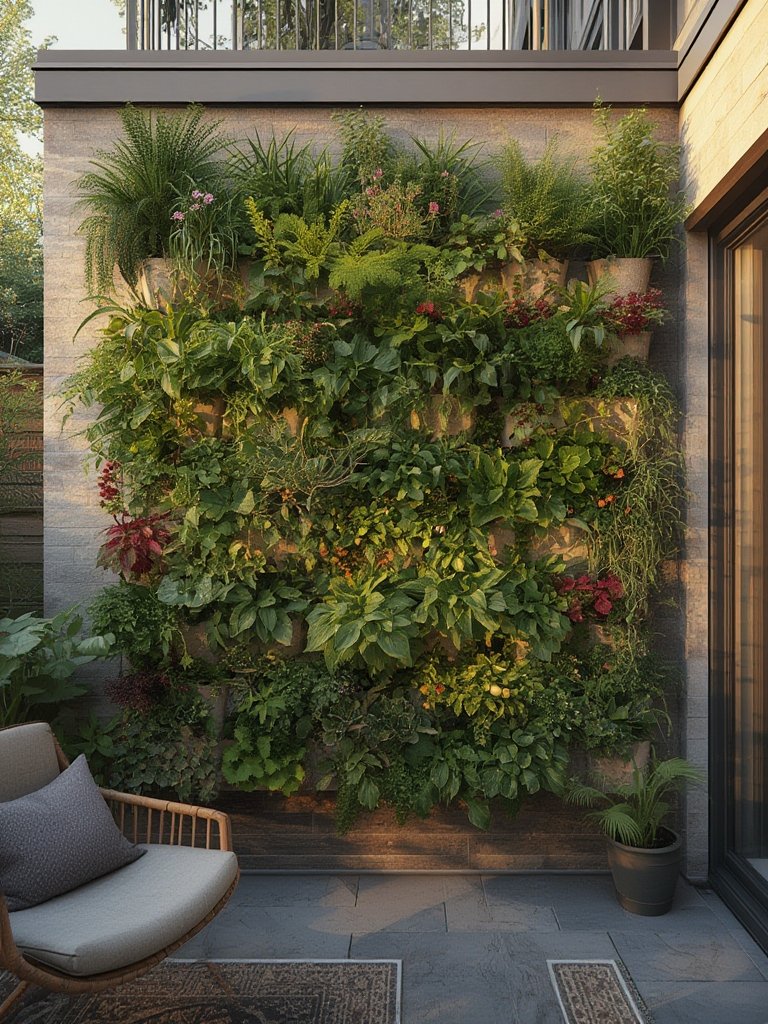
Safety & Structural Considerations
- Always assess the maximum load for fences, balconies, or indoor walls—especially when soil and water weight are combined. Use anchors rated for wet weight.
- Consider waterproof liners or trays for indoor gardens to prevent leaks and water damage.
- Outdoor fences need stable, rust-resistant mounting hardware; avoid spots exposed to wind or overloading risks.
For those wanting more low-effort home upgrades, energy efficiency upgrades often dovetail with green wall concepts in modern builds.
Conclusion
Vertical gardening systems empower modern growers to turn tight spaces into lush, productive environments. The right setup—matched to your needs and space—can deliver impressive yields, save water, and make daily care easier. Be honest about your maintenance willingness, budget, and structure safety, and you’ll avoid the pitfalls that frustrate so many beginners. Ready to reclaim your walls, fences, or kitchen with green, living texture? Start planning your custom vertical gardening system now.
FAQ
What are the best plants for vertical gardening systems?
Choose compact, shallow-rooted, or trailing plants. Popular options include lettuce, spinach, strawberries, nasturtiums, pothos, philodendrons, and dwarf herbs like basil or chives. Disease-resistant varieties reduce maintenance needs.
How much maintenance do vertical gardens require?
Traditional kits or DIY pallets need frequent watering, pruning, and cleaning. Automated hydroponic or smart gardens require less daily care but may need nutrient checks and equipment servicing. The more automation, the less routine effort is required.
Can I install a vertical garden indoors with no natural light?
Yes, but supplemental lighting—ideally full spectrum LED grow lights—is essential for plant health. Many indoor gardeners use timers and adjustable output lights for optimal results. See details at Full Spectrum Grow Lights.
Are vertical gardening systems safe for balconies or fences?
They can be, if the structure is load-bearing and mounting hardware is robust. Always use waterproof liners indoors and check weight limits on balconies or fences. When in doubt, consult a structural professional before installing large systems.
What’s the easiest way to keep a vertical garden low-maintenance?
Pick disease-resistant plants, use an automated irrigation system, and group plants with similar light and water needs. Consider smart vertical garden kits for app-based control and reminders.