

whole house water filter system installations are rapidly becoming the go-to defense as millions of Americans confront new tap water contamination threats, especially from persistent PFAS chemicals. As federal and state data confirms widespread contamination, homeowners are scrambling for ways to protect their water supply—sometimes with little guidance or clear cost info. This guide breaks down exactly what a whole house water filter system can (and can’t) solve, plus pitfalls and essential buying advice that most online reviews skip.
Key Takeaways
- Groundwater PFAS contamination affects 1 in 5 Americans, driving household demand for full-home water filtration.
- Whole house water filter systems can address a broad range of contaminants, but may not remove everything—especially emerging chemicals—without special cartridges or certifications.
- Costs, maintenance, and technical performance vary widely. Incomplete info and unclear specs are major buyer pitfalls. Ask hard questions before you buy.
- What Is a Whole House Water Filter System and Why Are They Suddenly Essential?
- How to Choose and Install a Whole House Water Filter System: Step-by-Step
- Advanced Analysis & Common Pitfalls: What the Data Reveals
- Conclusion & Next Steps
- Frequently Asked Questions
What Is a Whole House Water Filter System and Why Are They Suddenly Essential?
A whole house water filter system is a point-of-entry filtration setup that treats all the water entering your home—bath, kitchen, shower, laundry—from a single filter bank. This is different from an under-sink or pitcher filter, which only covers one tap. The main purpose: to reduce contaminants like PFAS, sediment, chlorine, and sometimes heavy metals or bacteria across your entire plumbing, not just your drinking water.
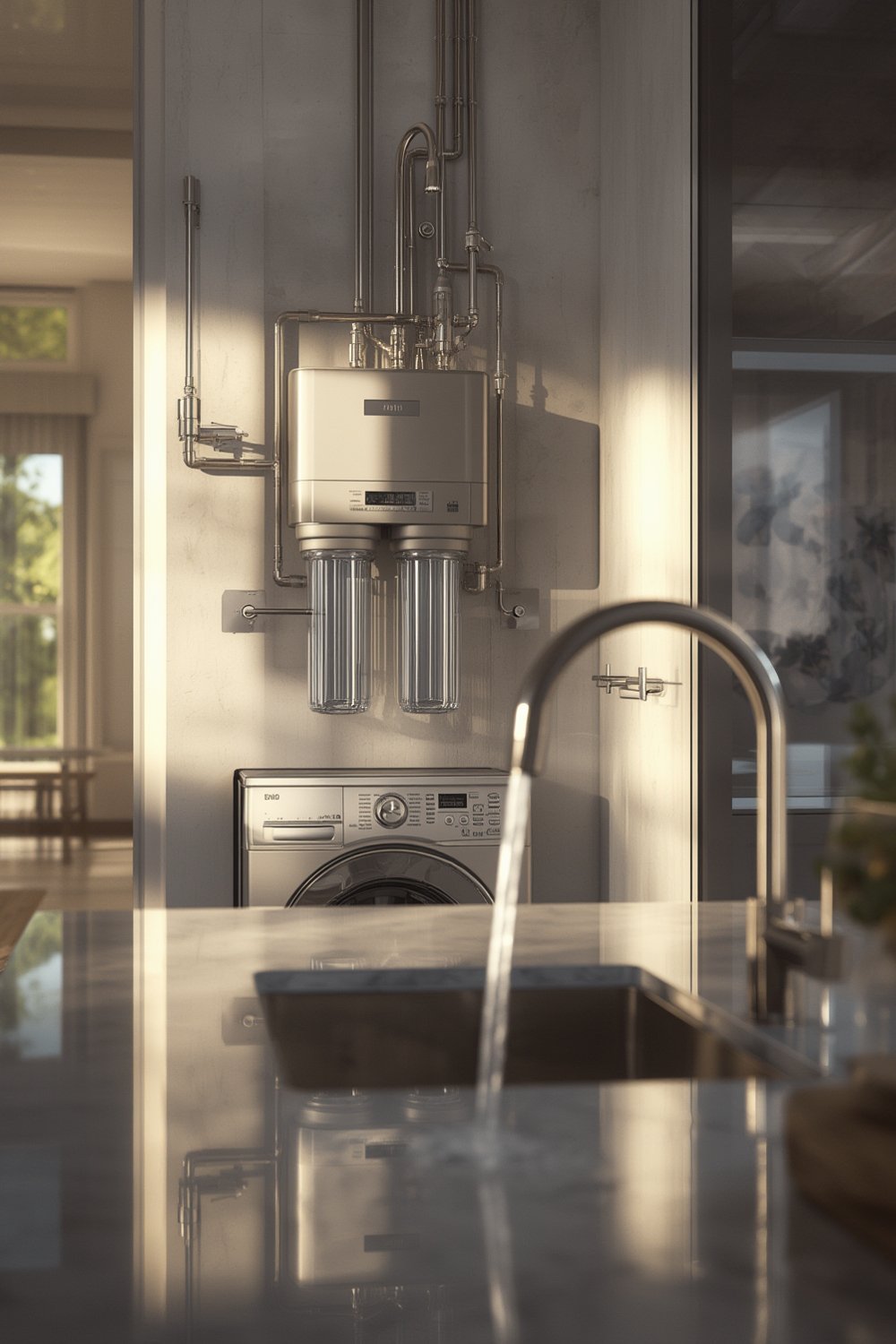
The spike in demand for whole house water filter systems is tied directly to PFAS contamination—a group of highly persistent chemicals found in non-stick pans, firefighting foam, and packaging. Recent federal studies estimated that over 71 to 95 million Americans may have detectable levels of PFAS in their groundwater. In states like Florida and Michigan, up to 86-98% of the population relies on water sources where PFAS is frequently detected (source).
The EPA’s 2024 regulations identified six high-risk PFAS types, with nearly 35 million residents affected by systems exceeding new limits. Coupled with widespread media coverage, this has heightened awareness about the limitations of municipal water treatment—and the need for personal filtration at home.
For context, water quality issues are not confined to rural wells. Urban, suburban, and even city residents in states like California and Massachusetts are increasingly considering home-level filtration as a “last line of defense.” Whole house systems are at the front of this conversation—but effectiveness, cost, and ongoing maintenance remain real concerns.
How to Choose and Install a Whole House Water Filter System: Step-by-Step
Ready to address your household’s water safety? Here’s an actionable step-by-step plan to evaluate, purchase, and install a whole house water filter system.
-
Identify Your Water Source & Contaminants
Find out if your water comes from a municipal supply, private well, or community system. Review recent water quality reports and consider a comprehensive test for PFAS, lead, bacteria, and other emergent chemicals (like pharmaceuticals). -
Prioritize Contaminants to Remove
Whole house water filter systems vary: most will tackle sediment, chlorine, and some heavy metals, but only certain models address PFAS, VOCs, or newer “emerging contaminants”. -
Research Certified Filtering Technologies
Look for cartridges or systems certified to NSF/ANSI standards relevant to your contamination. For PFAS, NSF/ANSI 53 or 58 (reverse osmosis) certifications are key—but few whole house systems have these. Ask for independent test results or lab documentation for PFAS removal cartridges. -
Compare Upfront & Ongoing Costs
Typical whole house systems cost $600–$2,500 installed, with replacement cartridges every 6–12 months at $150–$500/year. Reverse osmosis systems for the whole home can run $4,000–$12,000 plus plumbing modifications. Maintenance is nontrivial—expect some sediment pre-filtering, cartridge changes, and potential for leaks. -
Review Flow Rate & Sizing
Low flow rates or undersized filters will limit shower/washer performance. Choose a filter rated for your home’s maximum usage, especially if you have multiple bathrooms. -
Plan for Installation
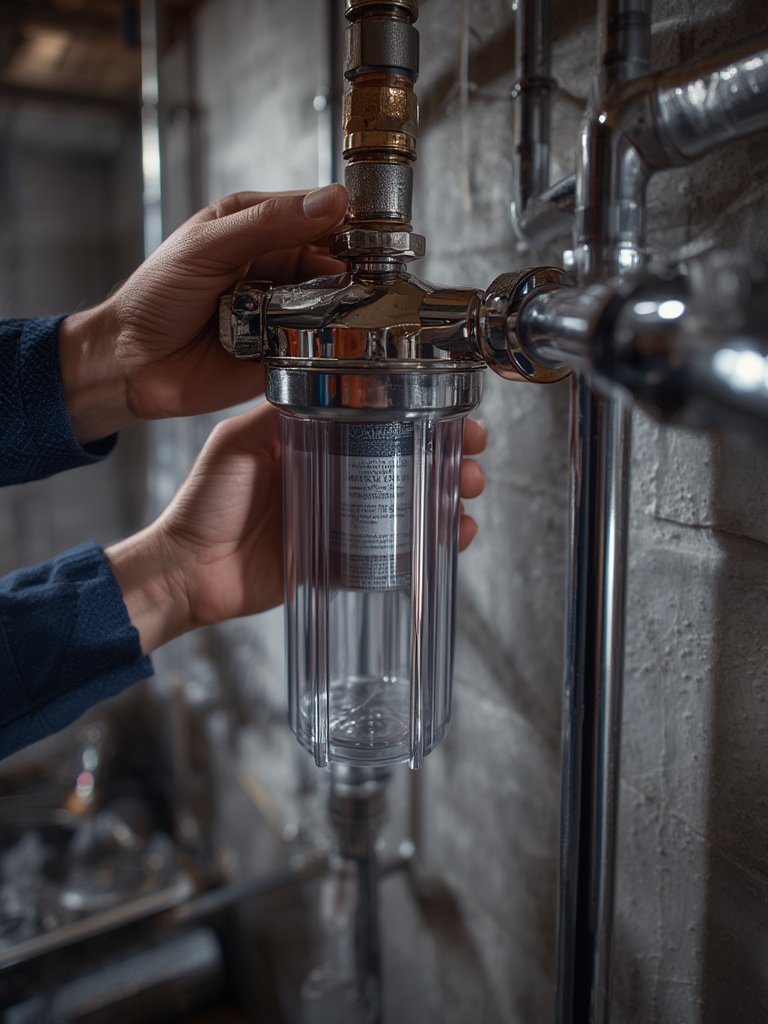
Whole house filter installation often requires cutting into your home’s main water line—professional help is usually needed unless you’re very handy with plumbing. Read other home improvement guides like residential siding installation to see what type of contractor coordination or permits your project might require.
-
Monitor, Test, and Maintain
Once your system is installed, re-test your water regularly. Many PFAS and other chemical filters “break through” (stop working) before they look dirty or clogged. Log filter change intervals and watch for flow reductions. -
Upgrade as Standards Evolve
New contaminants are identified every year. Build flexibility into your setup (e.g., by adding under-sink solutions) so you’re not locked into obsolete protection.
If you want to tackle multiple home upgrades in parallel, check out additional guides like energy efficiency upgrades or bathroom remodeling to coordinate timing and contractor visits for bigger cost savings.
Advanced Analysis & Common Pitfalls: What the Data Reveals
While whole house water filter systems are marketed as “set it and forget it” solutions, the reality is more complicated—especially for PFAS and other hard-to-remove chemicals. Let’s break down the researched pitfalls and where buyers often struggle:
- False Sense of Security
Many systems lack credible third-party or NSF/ANSI certifications for PFAS or new contaminants. Most product boxes don’t list what isn’t filtered. - Upfront Cost Shock
Sticker price often excludes installation, which can cost $500–$1,000 or more. Reverse osmosis for the whole home is much pricier and may need new plumbing or electrical work. - Ongoing Maintenance
Filter replacements are mandatory—and quality PFAS cartridges are expensive. Skimping on changes or using generic off-brand filters can undo your investment. - Variable Flow Rates
Some models noticeably reduce water pressure, especially in older homes or where multiple taps run simultaneously. - Inadequate Data on Effectiveness
As of 2024, there’s a lack of transparent, up-to-date government or independent test results for leading brands (EPA UCMR 5 monitors PFAS in water, not in filter performance). - Lack of Negative Review Data
Most brands bury negative reviews or don’t publish PFAS effectiveness data, so shoppers are left in the dark on key negatives.
| Feature | Whole House Filter | Reverse Osmosis (Point-of-Use) |
|---|---|---|
| Typical Upfront Cost (Installed) | $600–$2,500 | $300–$700 (single tap) |
| Annual Filter Costs | $150–$500+ | $80–$150 |
| PFAS Removal Potential | Depends—requires specific certified media | High (for many under-sink RO with proper certification) |
| Whole Home Protection | Yes | No (only drinking/kitchen tap) |
| Flow Rate Impact | Medium (can reduce pressure if undersized) | Low flow (gallons/day, not shower-rated) |
If you need to coordinate whole house water improvements with other projects like garage flooring, timing filter installs to coincide with plumbing upgrades can save headaches and money.

Conclusion & Next Steps
Whole house water filter systems offer powerful protection against known and unknown water contaminants, with PFAS contamination making them a must-consider for millions of households. Still, results depend entirely on the right test data, the correct filter certification, and ongoing maintenance diligence. The whole house water filter system you choose is only as effective as its installation quality and your commitment to replacement schedules.
Ready to take action? Start with a water test. Research certification and get highly specific about your local risks before investing. If you’re planning other upgrades or want a comprehensive approach, explore helpful guides on energy efficiency upgrades and floor safety for a healthier, safer home overall.
Frequently Asked Questions
What’s the difference between a whole house water filter and an under-sink filter?
A whole house system treats all water in your home—including every faucet, shower, and appliance—while an under-sink unit only filters a single tap (usually for drinking and cooking only).
Will a whole house water filter remove PFAS?
Some can, but only if they use certified PFAS removal cartridges or technology. Always look for independent test data or NSF/ANSI 53/58 certification. Not all models are proven against PFAS.
How often do I need to replace filters in a whole house system?
This varies by brand and local water quality, but most require changes every 6 to 12 months. Poor maintenance leads to lower performance and may reintroduce contaminants.
Is installation DIY or do I need a plumber?
Most installations require cutting into your main water line, so unless you have significant plumbing experience, hiring a licensed plumber is recommended.
Does a whole house water filter help with hard water?
Most standard units do not soften water. For hard water, you’ll want a water softener in addition to filtration. Some systems offer dual functionality, but check specs.