

Affiliate disclosure: As an Amazon Associate, ReviewGuid earns from qualifying purchases. This does not change our product picks or editorial conclusions.
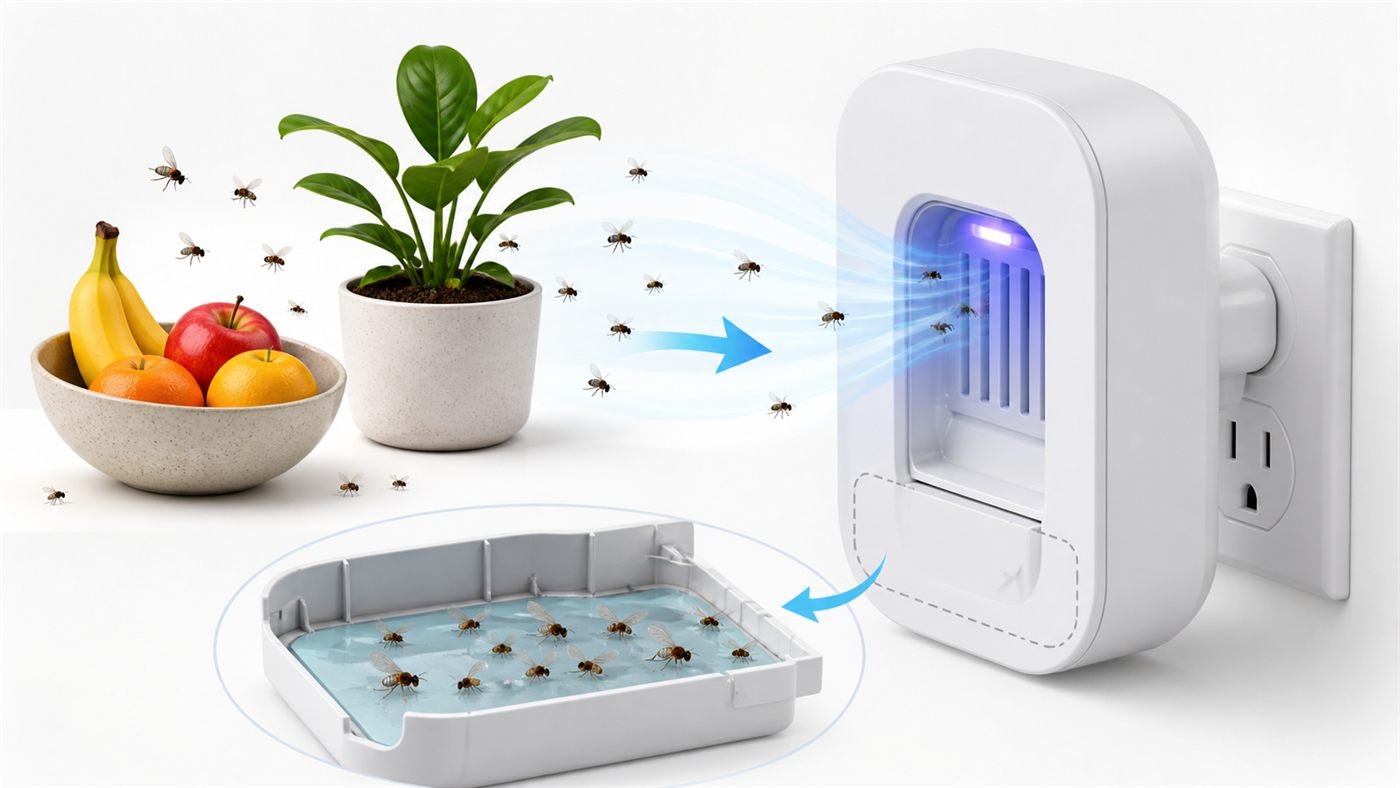
What Indoor Flying Insect Traps Actually Solve
These devices are strongest against small flying pests that are attracted to light and concentrated around a source: fruit bowls, drains, trash areas, and houseplant soil.
They are not magic whole-home pest control. The best results come from pairing the right trap with source cleanup and smart placement.
| Pick | Best For | Why It Wins | Watch-Out |
|---|---|---|---|
| Zevo | Fruit flies and gnats | Discreet plug-in design | Not ideal for mosquitoes |
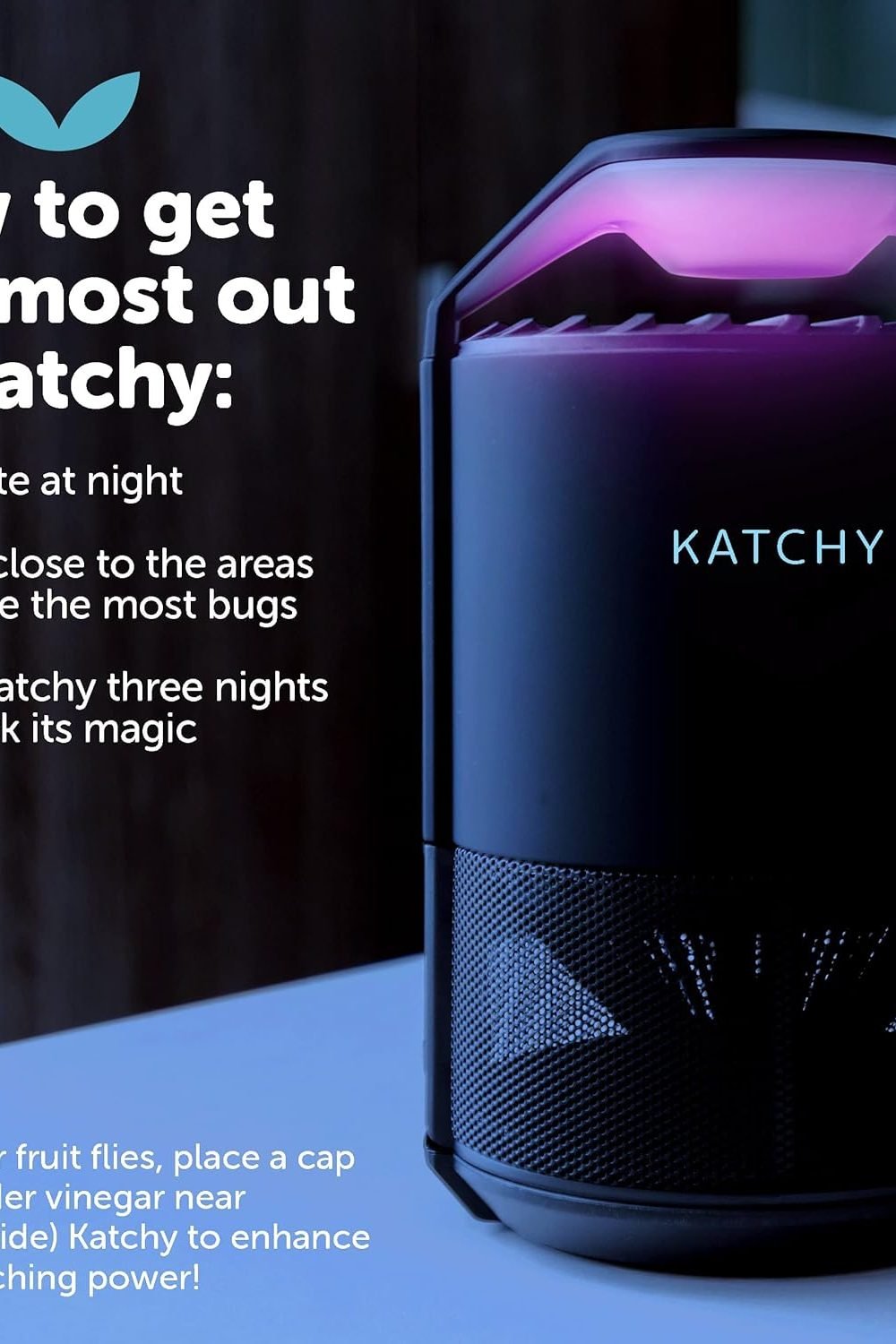
| Katchy | Plant gnats and produce areas | Fan-assisted capture | Needs counter space |
| DynaTrap DT152 | Indoor mosquitoes | Better fit for biting insects | Less discreet in kitchens |
Indoor flying insect traps are quietly replacing aerosol sprays, sticky paper, and bug zappers in U.S. homes in 2026. The technology – plug-in devices that combine UV and blue light with a hidden sticky cartridge – is now the default purchase for kitchens with fruit fly problems and houseplant rooms with fungus gnats. If you want the truth about which device works, where each falls short, and how to choose without wasting money, this guide cuts through the marketing with real test data and honest comparisons.
⚡ Key Takeaways
- Plug-in indoor traps using UV and sticky-cartridge technology are replacing aerosol sprays and zappers in U.S. homes in 2026, driven by pet- and child-safety awareness.
- Zevo is the price-accessible category leader for fruit flies and gnats; Katchy is the best alternative if you want fan-assisted suction; DynaTrap is the right pick only for outdoor mosquito control.
- Effective range is roughly 6–8 feet from the bug source – expect annual refill costs of about $30–$40 per device.
- ⚠️ UV-only indoor traps are not effective against mosquitoes – you need a CO2-based trap for biting insects outdoors.
📋 Table of Contents
What Makes Indoor Flying Insect Traps Different?
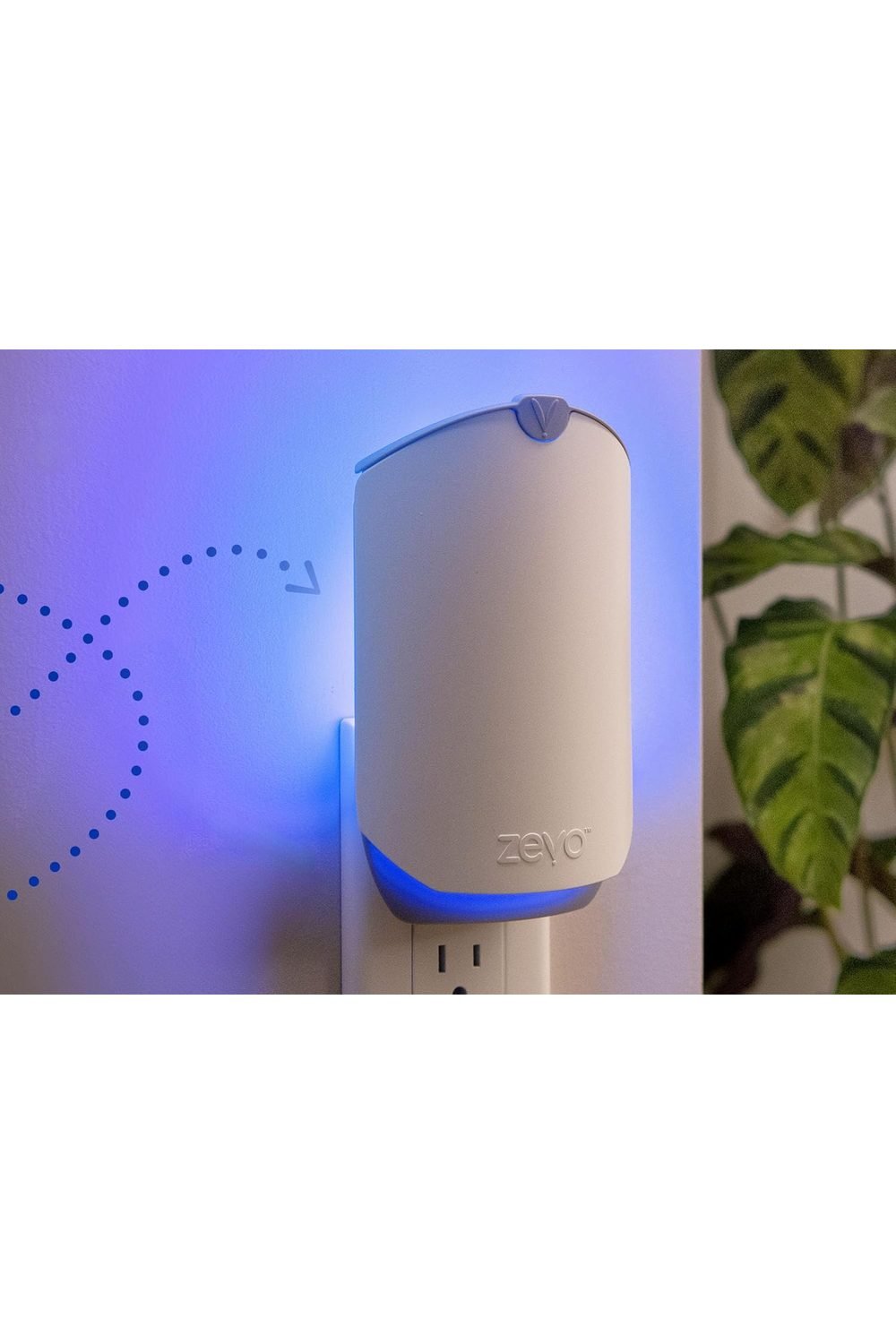
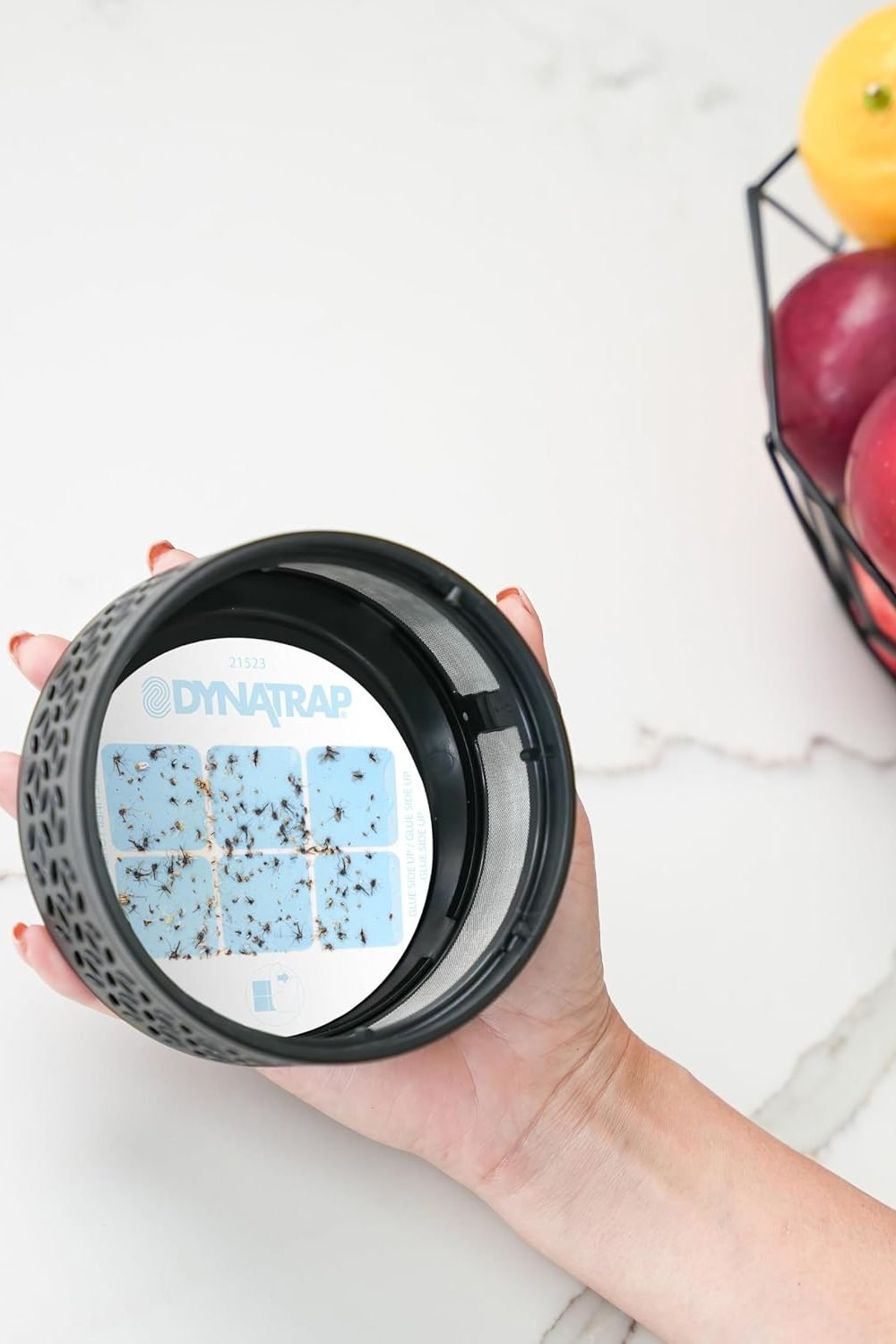
The category is straightforward but the engineering is more thoughtful than it looks. A small plug-in device emits a continuous blue and UV light spectrum that flying insects are biologically drawn to. Once attracted, the bugs land on a hidden sticky cartridge that faces the wall behind the device. You see the soft blue glow. You don’t see the bugs.
What this format displaces is more telling than what it adds. Traditional indoor pest control in American kitchens used to mean three things: aerosol fly sprays, hanging sticky paper strips, and the occasional countertop apple-cider-vinegar bowl. All three have visible drawbacks – chemicals near food, ugly visible carcasses, slow effectiveness – and none of them looks acceptable in a modern kitchen. Plug-in indoor traps avoid all three, which is exactly why the category is now winning shelf space at Amazon, Costco, Target, and Home Depot.
The leading brands – Zevo, Katchy, and DynaTrap – each address a slightly different segment. Zevo and Katchy compete head-to-head for indoor fruit flies and gnats. DynaTrap occupies a separate category aimed at outdoor mosquito control with CO2 attractant technology. Understanding which segment fits your actual bug problem is the single most important step before buying.
How to Choose and Use an Indoor Flying Insect Trap
Real-World Issues, Pitfalls, and Honest Comparisons
💰 The recurring-cost reality
The most common buyer complaint is not effectiveness, it is the ongoing cost of replacement cartridges. At $3.66–$3.99 per cartridge every 30–45 days, expect $30–$40 per year per device. Reading the fine print before buying solves this completely.
🦟 The mosquito myth
The single most consistent finding across CNN Underscored, Bob Vila, Apartment Therapy, and Reviewed is that UV-only indoor traps do not solve mosquito problems. Mosquitoes follow CO2 plumes from human breath and skin lactic acid, not light. Buying a Zevo or Katchy hoping to stop mosquito bites is the wrong tool for the job.
💡 Bright-light tradeoff
The blue LED is intentionally bright because that is what attracts the bugs. In a bedroom or a sleeper’s living room, this is genuinely too bright at night for many users. Move the device to the kitchen, bathroom, or hallway and this stops being an issue.
🎯 Zevo vs Katchy vs DynaTrap — decided once and for all
- Fruit flies or fungus gnats indoors? → Buy Zevo. Cheapest, quietest, most discreet, best refill availability.
- Want more aggressive trapping with a fan? → Buy Katchy.
- Mosquitoes biting on a porch, garage, or basement? → Buy DynaTrap. There is no single trap that wins all three segments.
Conclusion
The shift toward indoor flying insect traps in 2026 is not a fad. It is a structural change in how American homes handle the recurring nuisance of fruit flies, gnats, and small house flies indoors. The format checks every box that aerosol sprays, sticky paper, and zappers fail on: chemical-free, silent, discreet, and effective on the bugs that actually live inside the home.
For shoppers ready to act, the question is no longer whether plug-in indoor traps work – the answer is yes, for the right insects, at a reasonable refill cost. The question is which device fits your actual bug.
👇 Want our pick for indoor traps?
Read our full Zevo Flying Insect Trap Review for honest pros, cons, the 4.4/5 verdict, real-world placement tips, and how it compares to Katchy and DynaTrap in detail. Or jump to our complete Best Indoor Flying Insect Trap 2026 comparison covering all three category leaders.
Frequently Asked Questions
Why are indoor flying insect traps trending in 2026?
Three forces are driving the shift: a default preference for chemical-free pest control in homes with kids and pets, a design culture that no longer tolerates ugly traps, and cumulative dissatisfaction with aerosol sprays and zappers.
Are these traps actually effective?
Yes – for the right insects. Independent testing across CNN Underscored, Bob Vila, Apartment Therapy, and Reviewed consistently confirms strong performance against fruit flies, gnats, and small house flies. They are not effective against mosquitoes.
Which brand is leading the category?
Zevo, by a clear margin in price-accessible plug-in indoor traps. Katchy is a strong alternative if you want a fan-assisted design. DynaTrap leads the separate category of mosquito-focused outdoor traps.
How much do they cost to run per year?
Roughly $30–$40 per device per year in cartridge refills. Buying refill bundles or the Costco 2-device + 6-refill pack is significantly cheaper than buying singles.
Can I leave the trap plugged in all the time?
Yes, and you should. The light needs to run continuously to attract insects across day and night activity cycles. Power consumption is minimal.