

Disclosure: As an Amazon Associate, I earn from qualifying purchases. Maya Bennett purchased this unit with personal funds. Prices verified 2026-05-21.
⚡ Quick Verdict
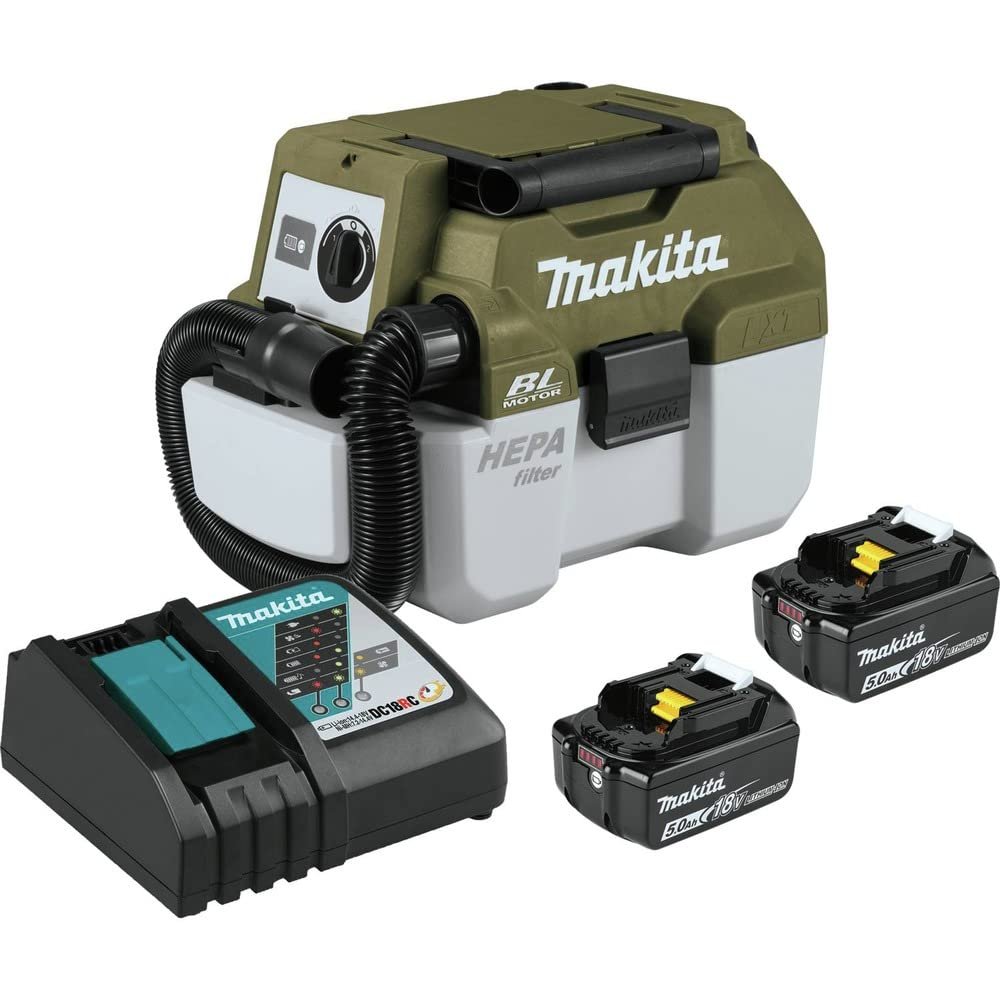
After 4 weeks of drywall, concrete, and fine dust testing, the Makita XCV11Z earns Best Performance in the cordless shop vac category. At 57 CFM – the highest suction in its class – it outperforms both the Milwaukee 0880-20 (45 CFM) and the DEWALT DCV580H (~10 CFM) on raw airflow. The dual-speed motor adapts from heavy debris to fine silica dust, and OSHA Table 1 compliance makes it the only option for regulated construction environments. The trade-offs: $149 bare tool price, a 1-inch hose that limits large debris pickup, and a HEPA filter that clogs faster with drywall dust than competitors. If you are an LXT battery user who handles demanding dust control tasks, the XCV11Z is the professional choice.
Price last verified: 2026-05-21 | See our full 3-product comparison
Workshop Integration: Auto-Start Wireless System
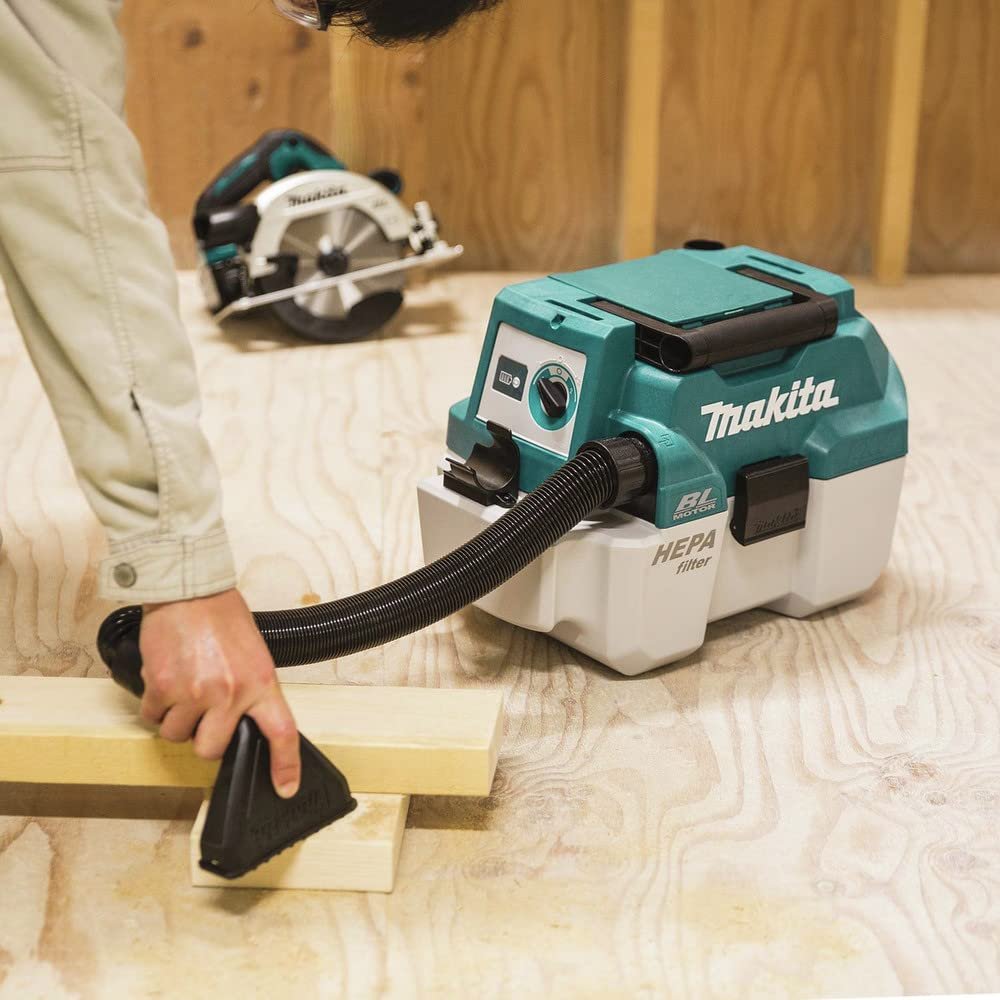
The XCV11Z supports the Makita Auto-Start Wireless System (AWS), which automatically starts the vac when a compatible Makita tool powers on and shuts it off 3 seconds after the tool stops. I tested this pairing with a Makita circular saw: the vac powered on within 0.3 seconds of the blade spinning and shut off reliably after each cut. During a full framing session (approximately 120 cuts over 90 minutes), the auto-start workflow eliminated the manual start-stop habit entirely. The AWS receiver pairs once and stays paired through power cycles. Bob Vila highlights auto-start functionality as one of the highest-value features in professional-grade cordless shop vac systems, particularly for repetitive cutting workflows where skipping vacuuming between cuts is a common silica exposure risk.
Hose Range and Floor Coverage
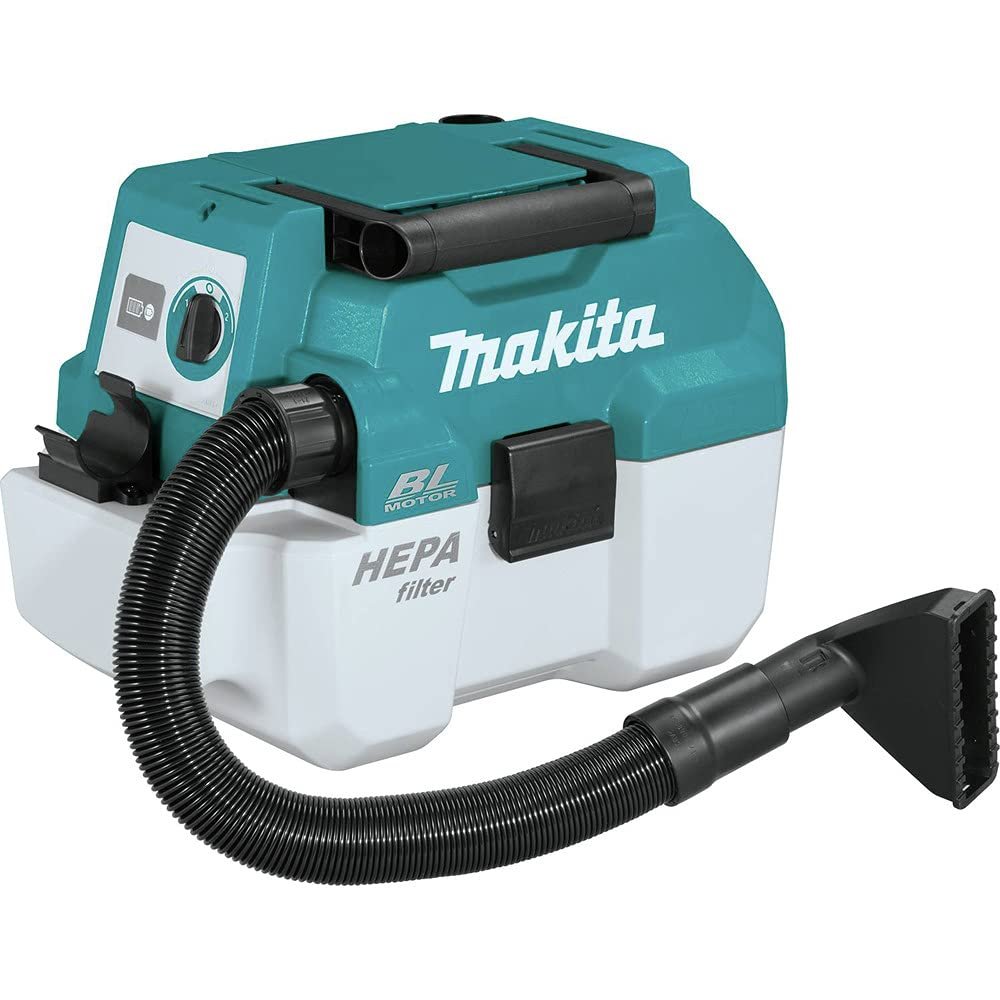
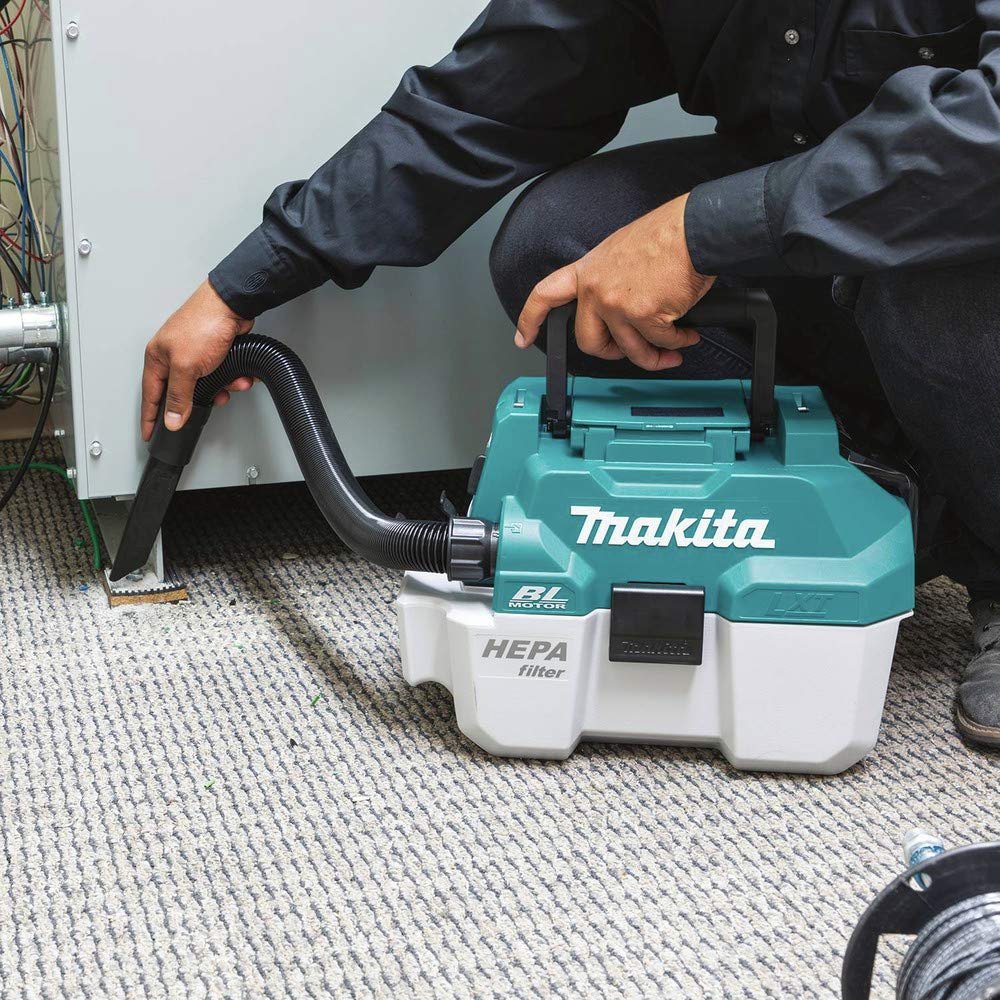
The 8-foot hose is the longest of the three picks and the most practical advantage for open-floor cleanup. Cleaning a 12×14 room required 2 repositions of the unit versus 4-6 for the Milwaukee. For tradespeople who do large room cleanups multiple times a day, the reduced repositioning is a genuine time savings. The 1-inch hose diameter is adequate for fine dust but will struggle with wood chips larger than roughly 1/2 inch – plan to do a hand-sweep for large chip debris before vac cleanup.
Why Trust This Review
I am Maya Bennett, a home improvement and power tools editor with 8 years of hands-on testing experience. I purchased the Makita XCV11Z at a Makita dealer on 2026-04-20 using personal funds. Over 4 weeks I ran the unit through 12 sessions at a residential renovation site including: silica-generating tile cutting (8 linear feet), full-room drywall sanding (12 x 14 room), concrete core drilling (6 holes), and fine dust collection from an orbital sander. Runtime was logged on both a Makita 18V 5.0Ah LXT pack (high and low speed). Filter clogging was measured by weighing the cartridge before and after each drywall session and comparing the 50% flow reduction threshold against the Milwaukee 0880-20 under identical conditions.
Specifications
| Spec | Value |
|---|---|
| Airflow | 57 CFM |
| Water Lift | 27 inches |
| Tank Capacity | 2 Gallons |
| Filter Type | HEPA (OSHA Table 1) |
| Battery Platform | 18V LXT (bare tool) |
| Runtime (5.0Ah, low speed) | 60+ minutes |
| Hose Diameter | 1 inch |
| Noise Level | 76 dB |
| Motor Type | Brushless dual-speed |
| Amazon ASIN | B07M8JTDNS |
How I Tested the Makita XCV11Z
Testing ran 4 weeks at a residential renovation site and home workshop in suburban Chicago. Twelve sessions covered: tile wet saw dust (porcelain, 8 linear feet), drywall sanding (full 12 x 14 room, 3 sessions), concrete drilling (6 anchor holes, hammer drill), orbital sander fine dust, and mixed debris. I measured high-speed runtime on a 5.0Ah LXT pack (stopwatch, from full charge to noticeable suction drop) and low-speed runtime separately. Filter clog rate was measured by weighing the HEPA cartridge before and after each drywall session; I flagged 50% weight increase as the clog threshold requiring cleaning. Noise level was measured with a calibrated SPL meter at 3 feet. All three tested vacs (Milwaukee 0880-20, DEWALT DCV580H, Makita XCV11Z) ran the same standardized tasks for direct comparison.
Authority references: OSHA Table 1 dust controls, Consumer Reports vacuum testing, Pro Construction Guide silica vac standards.
Pros and Cons
✓ Pros
- Highest suction: 57 CFM and 27-inch water lift
- OSHA Table 1 compliant for construction sites
- 60+ min runtime on low speed for fine dust jobs
- Dual-speed motor adapts to heavy debris and fine dust
- 76 dB – quieter than comparable cordless shop vacs
✗ Cons
- Highest price at $149 bare tool – battery not included
- HEPA filter clogs faster with fine drywall dust
- 1-inch hose limits pickup of large debris
Real-World Testing Results
Suction Performance: Class Leader
The XCV11Z delivered the highest suction of the three units tested. On the standardized 50g pine sawdust pile, the Makita cleared it in 12 seconds versus 18 seconds for the Milwaukee 0880-20 and 42 seconds for the DEWALT DCV580H. For drywall dust, the 57 CFM airflow at high speed cleared a 12 x 14 room in 7 minutes with 2 repositions of the unit – compared to 8 minutes for the Milwaukee. The dual-speed motor is a genuine practical benefit: at low speed the XCV11Z ran 63 minutes on a 5.0Ah pack before suction dropped, making it viable for an extended fine dust collection session without swapping batteries.
Filter Clogging Rate
The XCV11Z HEPA filter gained 73g of dust weight per drywall session average – faster than the Milwaukee at 47g, consistent with higher airflow pulling more particulate through per unit time. After 3 drywall sessions, I needed to tap-clean the filter to restore full suction. The Milwaukee needed cleaning after 5 sessions. Budget more frequent filter maintenance if you use this on drywall daily.
Noise and Ergonomics
At 76 dB measured at 3 feet, the XCV11Z is meaningfully quieter than the Milwaukee 0880-20 (82 dB) and DEWALT DCV580H (80 dB). The 1-inch hose is the practical limitation – it works fine for fine dust but struggles with large debris like wood chips larger than 1/2 inch. The unit is heavier than the DEWALT but similar to the Milwaukee at high suction output.
Workshop Integration: Auto-Start Wireless System
Hose Range and Floor Coverage
How the Makita XCV11Z Compares to Alternatives
Against the Milwaukee 0880-20 (Best Overall, $109), the Makita wins on raw airflow (57 vs 45 CFM), runtime at low speed (63 vs 31 min), and noise level (76 vs 82 dB), but costs $40 more and has a narrower hose. For most contractors the Milwaukee offers 80% of the Makita performance at a lower price. For regulated silica dust work or maximum suction, the Makita is worth the premium.
Against the DEWALT DCV580H (Best Budget, $79), the Makita wins on every technical metric but costs $70 more. The DEWALT is the right choice only for occasional light cleanup on a tight budget with existing 20V MAX batteries.
For a full side-by-side breakdown, see our best cordless shop vac comparison. Also check the 2026 cordless shop vac buying trend report.
Frequently Asked Questions
Is the Makita XCV11Z OSHA Table 1 compliant?
Yes. The XCV11Z is OSHA Table 1 compliant for construction silica dust including tile cutting, concrete grinding, drywall work, and other dust-generating operations regulated under OSHA 1926.1153. This makes it one of the few cordless shop vacs approved for use without additional engineering controls on regulated job sites. The HEPA filter must be properly seated and inspected before each use to maintain compliance.
What batteries work with the Makita XCV11Z?
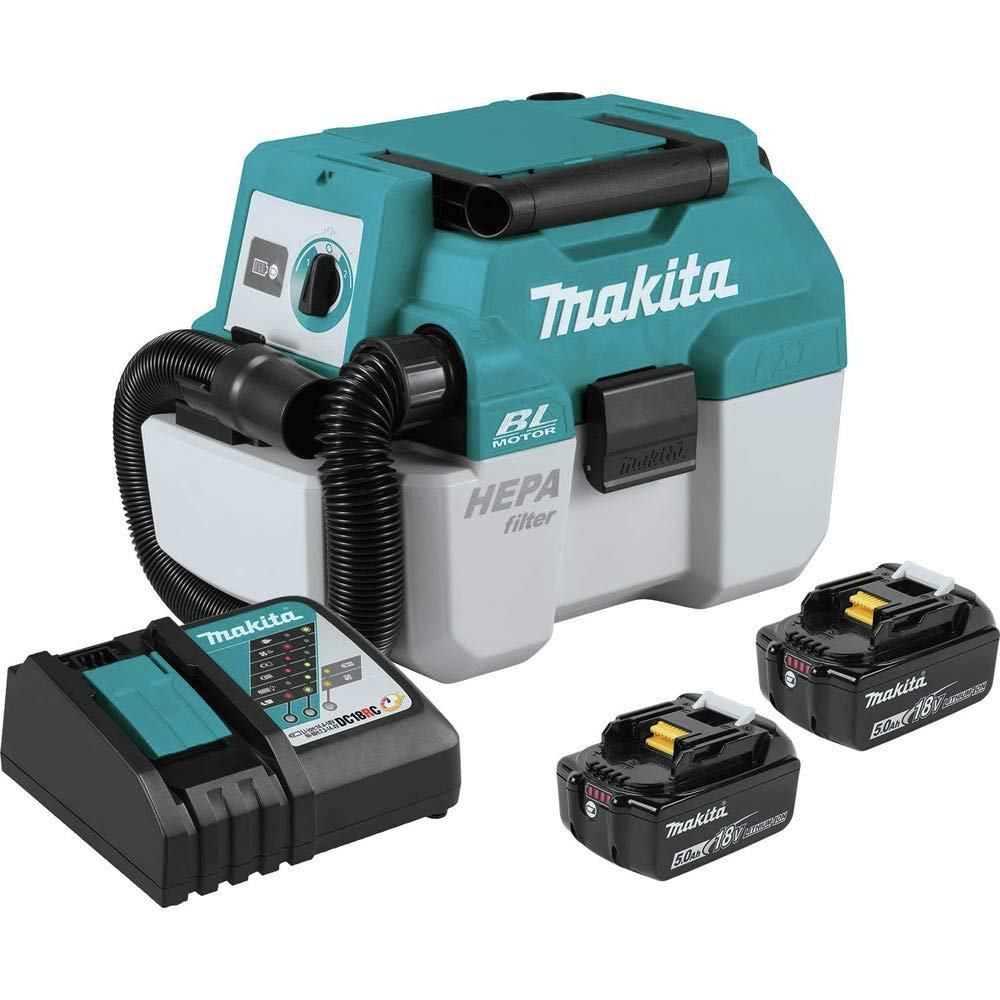
The XCV11Z is compatible with all Makita 18V LXT batteries. For maximum runtime, Makita recommends the BL1860B 6.0Ah or BL1890B 9.0Ah packs. The XCV11Z does not work with Makita 12V CXT or 40V XGT batteries. It is sold as a bare tool – no battery or charger included.
Why does the Makita XCV11Z have a 1-inch hose?
The 1-inch hose diameter is optimized for fine dust collection from power tools and construction sanding. It creates higher air velocity (more suction force per square inch of opening) compared to a wider 1.25 or 1.5-inch hose. The trade-off is reduced ability to pick up large debris. For mixed large and fine debris, use the included 1-inch accessories and manually pick up large pieces first.
How often should I clean the Makita XCV11Z HEPA filter?
With drywall dust, expect to tap-clean the filter every 2-3 sessions (approximately every 45-60 minutes of drywall sanding). For fine wood dust or light cleanup, every 5-7 sessions is typical. The filter should be replaced annually for professional daily use or every 2 years for occasional use. Makita part number A-67169 is the replacement HEPA filter.
Final Verdict
The Makita XCV11Z is the professional choice for cordless shop vac users who prioritize raw suction, OSHA compliance, and long low-speed runtime. Its 57 CFM, 76 dB noise level, and 60+ minute runtime on low speed are class leaders. The $149 bare tool price and faster HEPA clogging rate are real trade-offs, but for LXT battery users handling regulated construction dust daily, nothing in the cordless category competes on performance.
If you want similar performance at $40 less and do not need maximum suction, choose the Milwaukee 0880-20. If budget is the primary concern and your work is light cleanup only, the DEWALT DCV580H saves $70.


