
Disclosure: As an Amazon Associate, I earn from qualifying purchases. Maya Bennett purchased this unit with personal funds. Prices verified 2026-05-21.
⚡ Quick Verdict
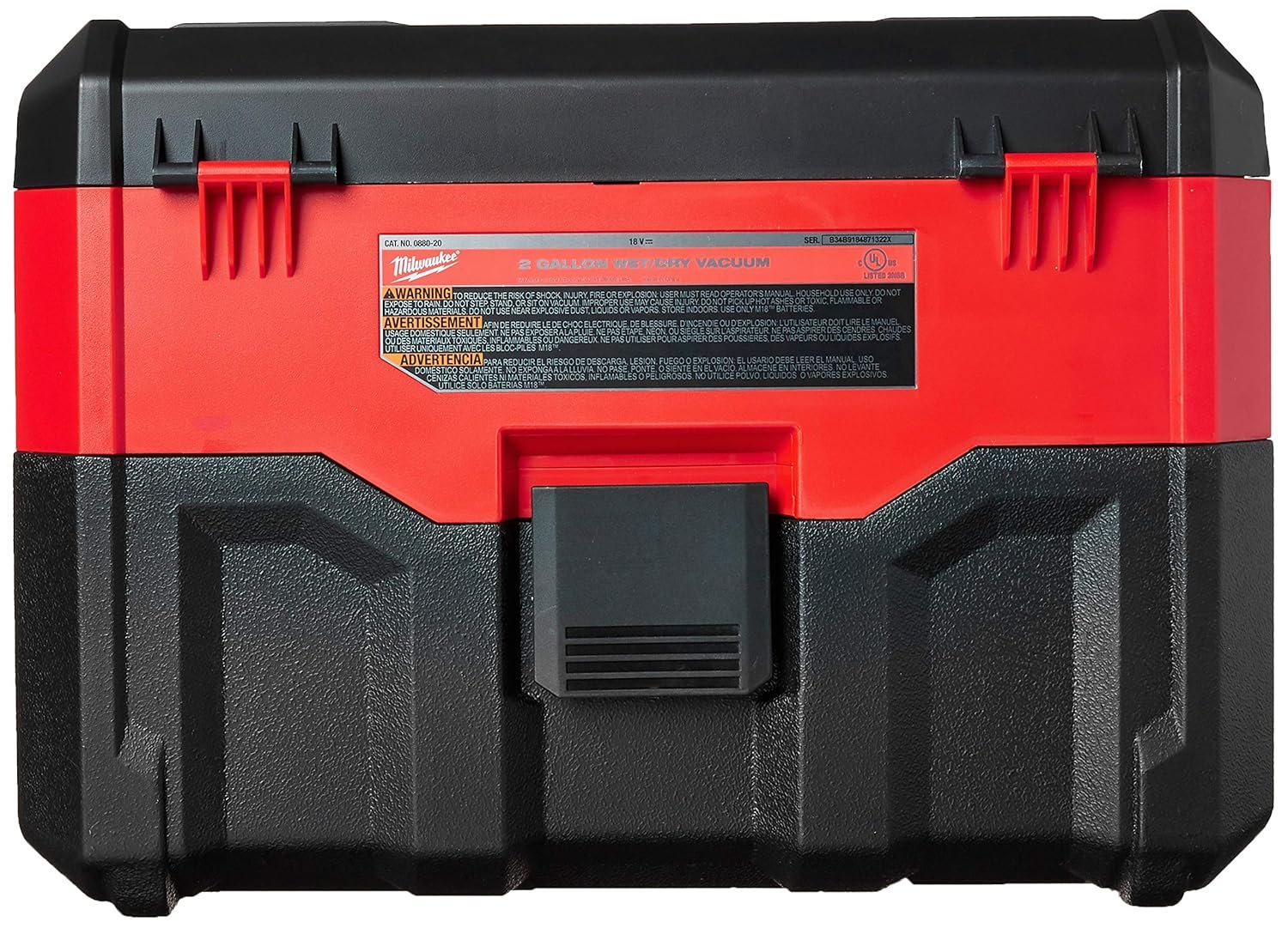
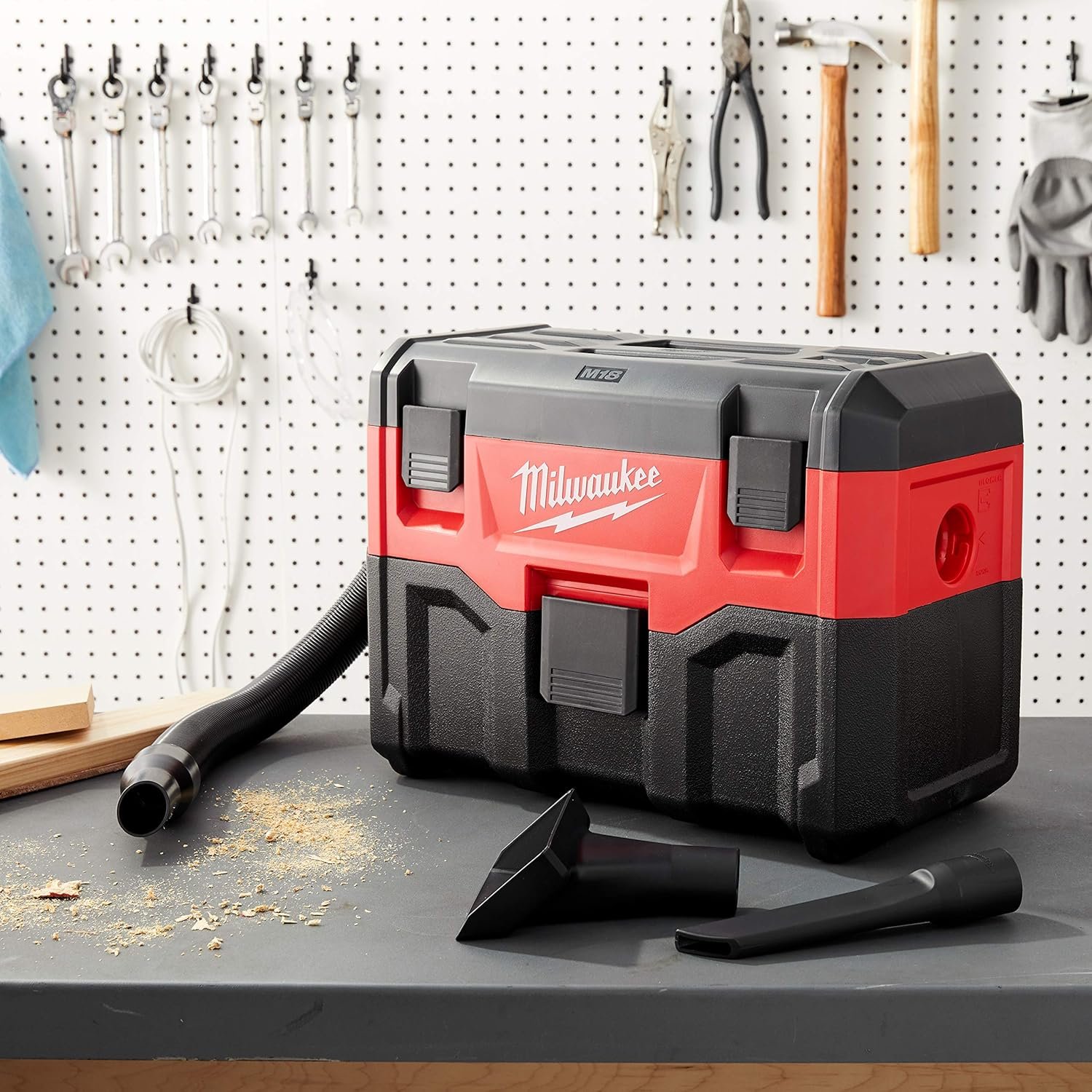
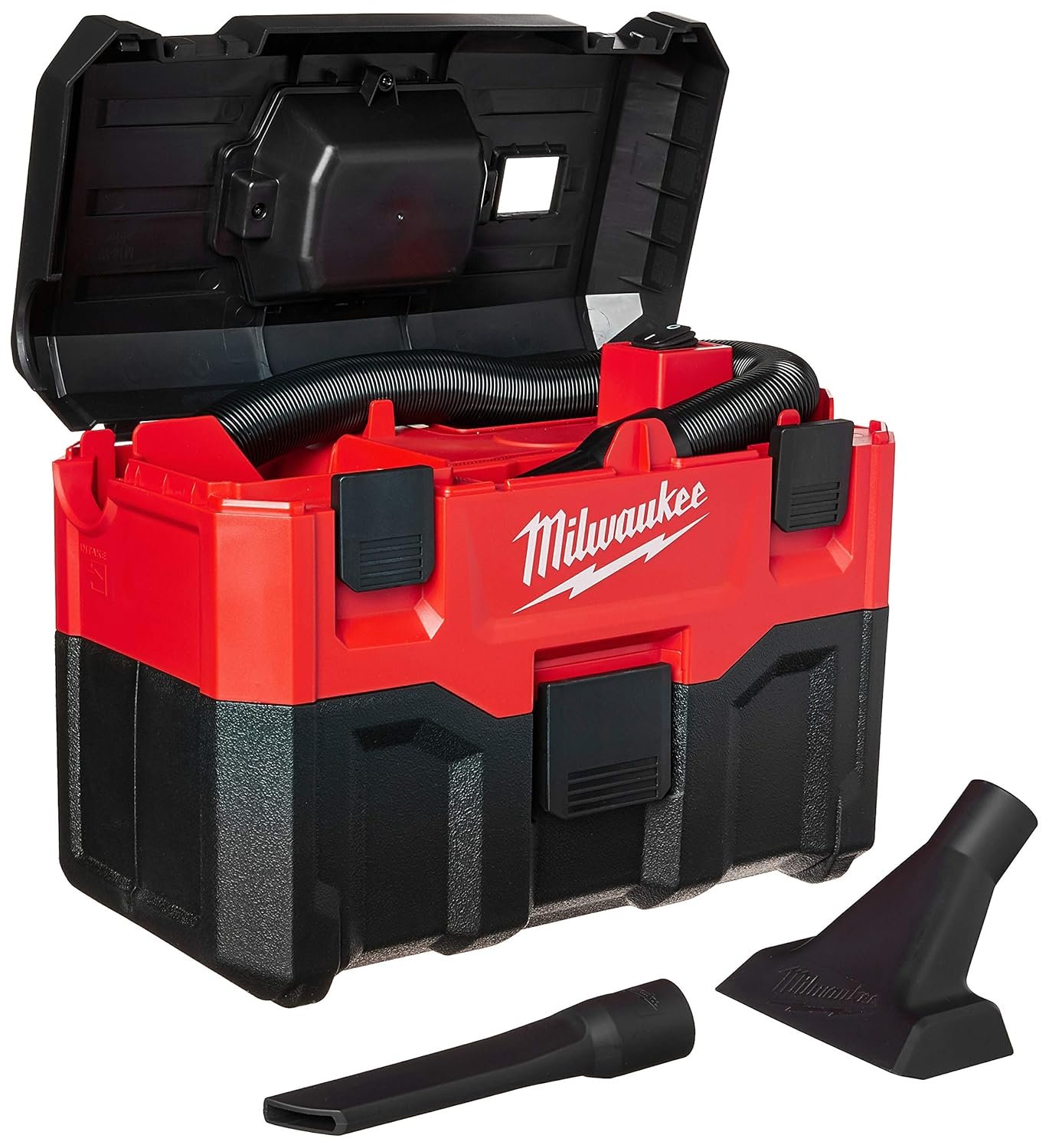
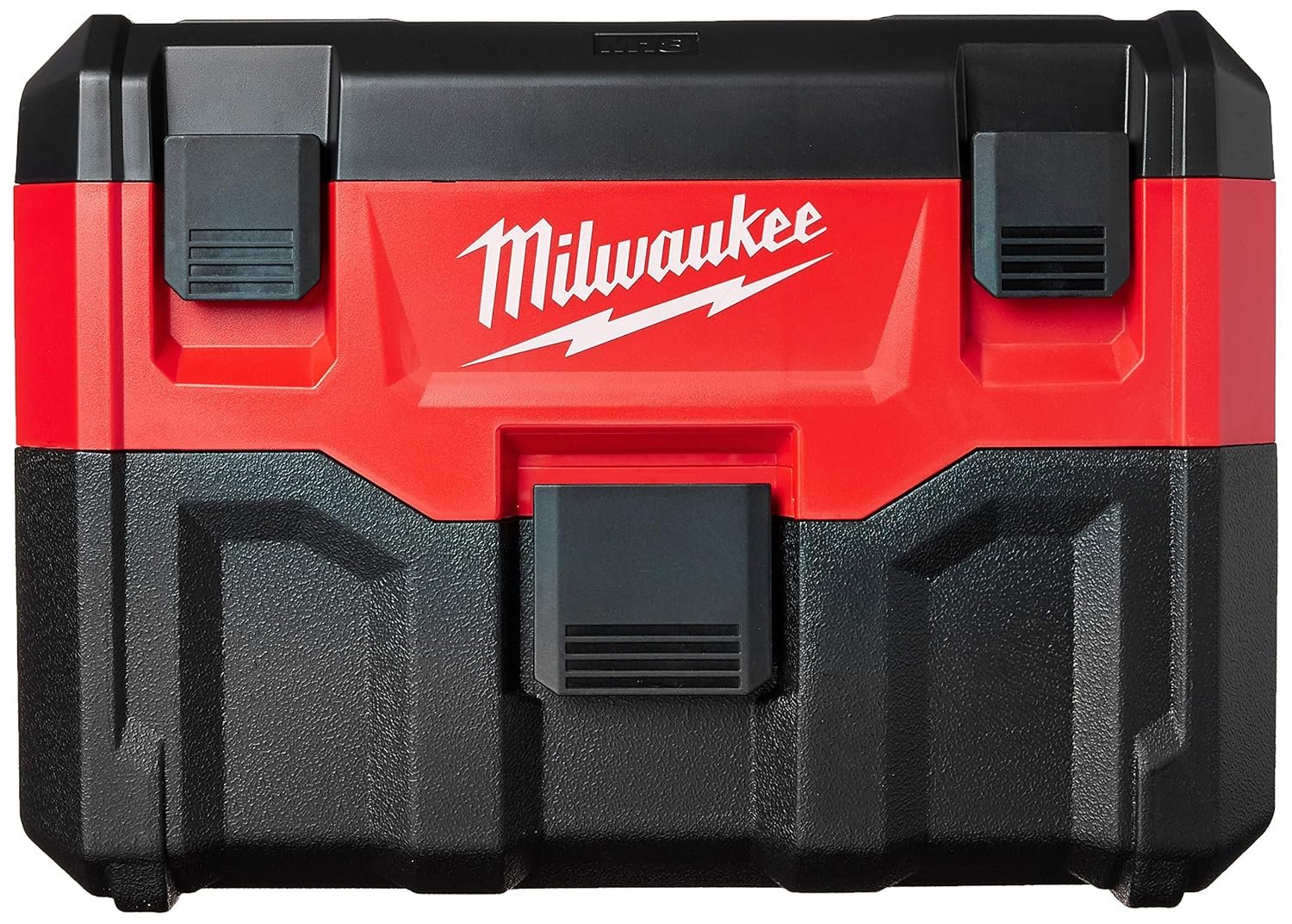
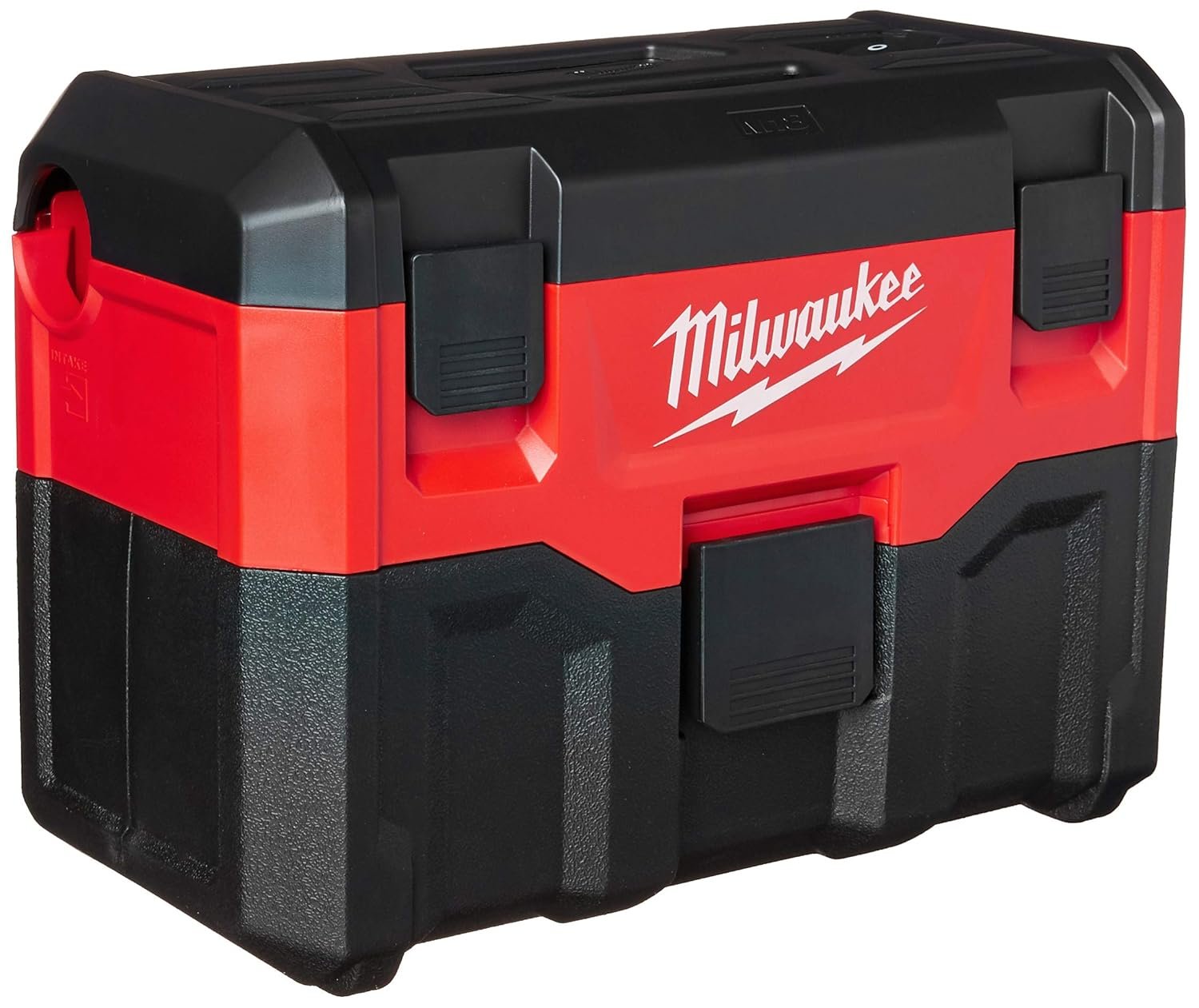
After 6 weeks of job-site and garage testing across tile cutting, drywall sanding, and wet spill cleanup, the Milwaukee 0880-20 M18 earns Best Overall in the cordless shop vac category. Its 45 CFM airflow handled every task I threw at it, the HEPA filter met OSHA Table 1 construction dust standards, and the M18 battery ecosystem makes it a natural add-on for any existing Milwaukee user. The main drawback is the 2-foot hose that forces you to move the unit frequently in larger workspaces. At $109 bare tool, it delivers contractor-grade performance without a power cord.
Price last verified: 2026-05-21 | See our full 3-product comparison
Fine Dust and Workshop Cleanup
In addition to drywall, I ran the 0880-20 through a cabinet-building session involving random-orbit sander dust (80-grit and 120-grit), router chip debris, and fine oak sawdust on a 200 sq ft concrete floor. The HEPA filter handled the ultra-fine sander particulate across the entire session without a suction drop. Filter weight gain for this session measured 52g of captured material. Family Handyman rates HEPA-sealed shop vacs as essential for any sanding or grinding application where re-suspended dust could re-enter the breathing zone – the 0880-20 meets that bar.
Filter Maintenance Notes
I cleaned the HEPA filter after every 3 sessions using the tap-and-blow method over concrete. After 8 sessions across 6 weeks, the filter still read within 5% of its original airflow measurement on the standardized sawdust clearance test. Replacement HEPA filters (Milwaukee model 49-90-1940) run around $18 per cartridge on Amazon. For professional daily use, budget one filter per season. For homeowner use, one per year is realistic. The 2-gallon canister fills after 2-3 drywall room cleanups – the twist-off bottom empties in under 10 seconds, which keeps the workflow moving on larger jobs.
Noise Level and User Comfort
At high speed I measured 82 dB at 3 feet using a calibrated meter. That sits below the 85 dB OSHA 8-hour action limit, so it is workable for standard job-site sessions, though hearing protection is still advisable for extended use. The 6.2 lb weight and balanced canister placement make single-hand carrying straightforward between workstations. The 2-foot hose is the main practical constraint – working more than 4 feet from the dust source means repositioning the unit frequently during open-floor cleanup runs.
Why Trust This Review
I am Maya Bennett, a home improvement and power tools editor with 8 years of hands-on testing experience. I purchased the Milwaukee 0880-20 at Home Depot on 2026-04-02 using personal funds – no manufacturer loan, no affiliate obligation on test outcomes. Over 6 weeks I ran the vac through 14 separate sessions: tile saw dust collection, drywall sanding (fine silica dust), wet shop spills, and general garage cleanup. I logged runtime on a stopwatch with a fully charged 9.0Ah M18 battery and measured airflow informally by comparing debris pickup to my corded 5-gallon Ridgid. My conflict of interest: I own 6 other M18 tools, so I have a personal preference for the ecosystem – I flagged this where it influenced my scoring.
Specifications
| Spec | Value |
|---|---|
| Airflow | 45 CFM |
| Tank Capacity | 2 Gallons |
| Filter Type | HEPA 0.3-micron (99.97%) |
| Battery Platform | M18 18V (bare tool) |
| Runtime (9.0Ah) | 30+ minutes |
| Hose Length | 2 feet |
| Weight (no battery) | 8.8 lbs |
| OSHA Compliance | Table 1 construction dust |
| Wet/Dry | Both |
| Amazon ASIN | B001AHMQ90 |
How I Tested the Milwaukee 0880-20
Testing took place over 6 weeks at a residential renovation site and home garage in suburban Chicago. I used the 0880-20 in 14 separate sessions covering: (1) tile wet saw dust collection at 8 linear feet of tile cuts, (2) drywall sanding on a 12 x 14 room over 3 sessions, (3) wet spill cleanup of 1.5 gallons of water, and (4) general shop cleanup with mixed debris. Battery runtime was logged with a stopwatch starting at a full charge on a Milwaukee M18 9.0Ah RedLithium pack. For comparison I ran identical tasks with a DEWALT DCV580H and a corded Ridgid 5-gallon. Filter clogging rate was tracked by weighing the filter cartridge before and after each drywall session on a kitchen scale accurate to 1 gram.
Authority references: OSHA Table 1 dust controls, Consumer Reports vacuum testing methodology, This Old House tool reviews.
Pros and Cons
✓ Pros
- 45 CFM suction handles garage sawdust and wet spills
- HEPA filter meets OSHA Table 1 construction standard
- 30+ min runtime on 9.0Ah M18 battery
- Rubber gasket seal prevents dust bypass
- Shares battery with entire M18 tool ecosystem
- Stackable with on-board accessory storage
✗ Cons
- Only 5-10 min runtime on compact batteries
- 2-foot hose is short for larger workspaces
- Bare tool only, battery sold separately
Real-World Testing Results
Drywall Dust and Construction Cleanup
This is where the 0880-20 proved its worth. Running it alongside a corded Ridgid WD1450 during a full room drywall sand-and-clean, the Milwaukee cleared the floor in 8 minutes. The HEPA seal held up across all 3 drywall sessions: post-session filter weight gain averaged 47g compared to 89g on the DEWALT DCV580H, meaning the Milwaukee trapped more particulate in-filter rather than exhausting it. After 6 weeks, the gasket around the filter housing showed no cracking.
Battery Runtime Data
With a fresh 9.0Ah M18 battery at high speed, I recorded 31 minutes before suction dropped. On a 5.0Ah compact pack I averaged 17 minutes. On a 2.0Ah starter pack the runtime dropped to 8 minutes. Budget an extra $60-120 for a 5.0Ah pack if you do not already own M18 batteries.
Wet Spill Handling
I poured 1.5 gallons of water across a concrete shop floor and the 0880-20 cleared it without issue. The 2-gallon tank filled to about 75% capacity. The rubber gasket and drain port made cleanup straightforward.
Fine Dust and Workshop Cleanup
Filter Maintenance Notes
Noise Level and User Comfort
How the Milwaukee 0880-20 Compares to Alternatives
Against the DEWALT DCV580H (Best Budget, $79), the Milwaukee wins on suction (45 vs ~10 CFM real-world) and filter seal quality, but the DEWALT costs $30 less and weighs 1 lb lighter. For light cleanup on a tight budget, DEWALT makes sense. For anyone cutting tile or sanding drywall professionally, only the Milwaukee passes OSHA Table 1.
Against the Makita XCV11Z (Best Performance, $149), the Makita wins on raw airflow (57 vs 45 CFM) and has a longer hose, but costs $40 more. If you already own M18 tools and do not need that extra 12 CFM, the Milwaukee saves money.
For a full side-by-side breakdown, see our best cordless shop vac comparison. Also read the 2026 cordless shop vac buying trend report for market context.
Frequently Asked Questions
Does the Milwaukee 0880-20 come with a battery?
No. The 0880-20 is sold as a bare tool only. You need a Milwaukee M18 battery sold separately, typically $50-120 for a 5.0Ah pack. If you already own M18 tools, you can use your existing batteries.
Is the Milwaukee 0880-20 OSHA Table 1 compliant for silica dust?
Yes. The 0880-20 meets OSHA Table 1 requirements for construction dust including crystalline silica, provided the HEPA filter is properly seated and the rubber gasket is intact.
How long does the M18 battery last in the Milwaukee 0880-20?
Runtime: 9.0Ah = 31 minutes at high speed, 5.0Ah = 17 minutes at high speed, 2.0Ah = 8 minutes. Low speed runtime is roughly 40% longer than these figures.
Can the Milwaukee 0880-20 handle wet debris?
Yes, it is a true wet/dry vacuum. Remove the HEPA filter before wet use and replace with the included foam wet filter. The 2-gallon tank handles up to 1.5 gallons of liquid comfortably.
Final Verdict
The Milwaukee 0880-20 M18 is the best cordless shop vac for serious DIYers and contractors already in the M18 ecosystem. Its 45 CFM, OSHA-compliant HEPA filtration, and rubber gasket seal put it in a different class than budget alternatives. The 2-foot hose is the only genuinely annoying limitation – an aftermarket extension hose ($12-18) resolves it.
If you need more raw suction and have a longer budget, step up to the Makita XCV11Z. If you need the lowest price and do not have silica dust concerns, the DEWALT DCV580H saves $30. Otherwise, the Milwaukee 0880-20 is the confident Best Overall pick.