

Disclosure: As an Amazon Associate, I earn from qualifying purchases. – Maya Bennett
4.7/5
4.4/5
4.4/5
Start with the Best Overall pick for the broadest fit, then compare the budget and specialist roles against your actual constraint.
How we picked these 3 garden hammock products
ReviewGuid compared current listing details, pricing position, visible review depth, category fit, and the practical tradeoffs behind the commercial query garden hammock. This is a source-based editorial comparison, not a fabricated hands-on test.
Read the companion context at the trend report.
Full spec sheet at a glance
| Role | Price | Rating | Reviews |
|---|---|---|---|
| Best Overall | $27.91 | 4.7/5 | 21378 |
| Best Budget | $24.99 | 4.4/5 | 4986 |
| Best Upgrade | $76.49 | 4.4/5 | 556 |
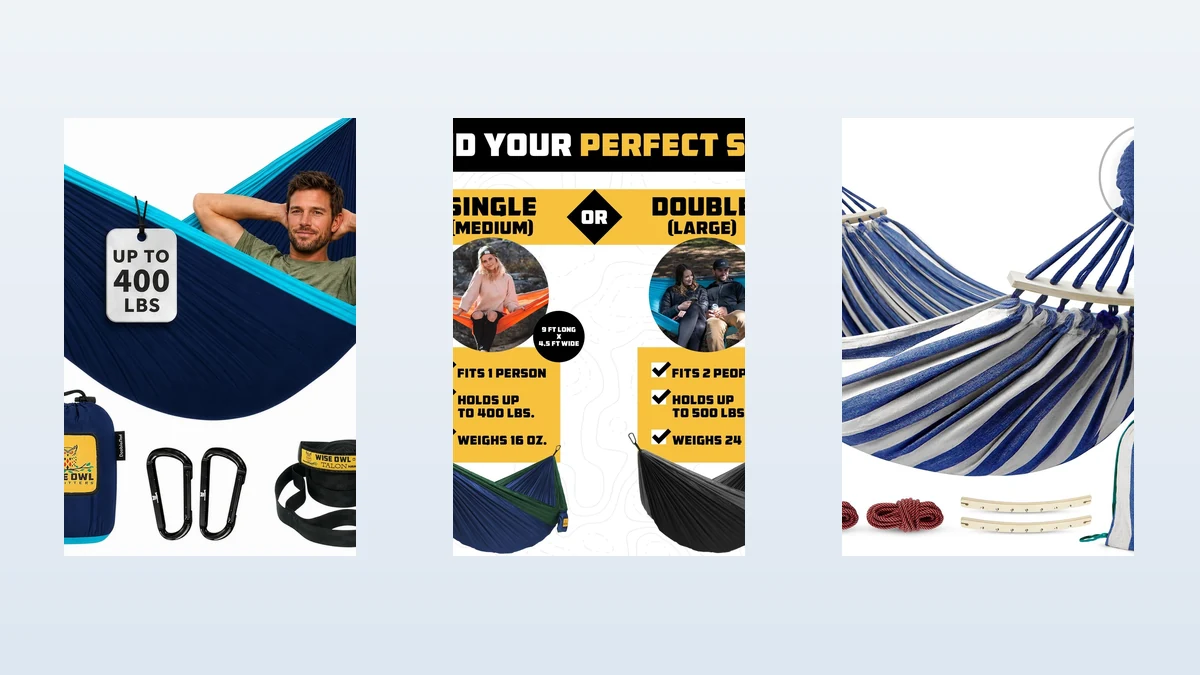
The 3 picks, in detail
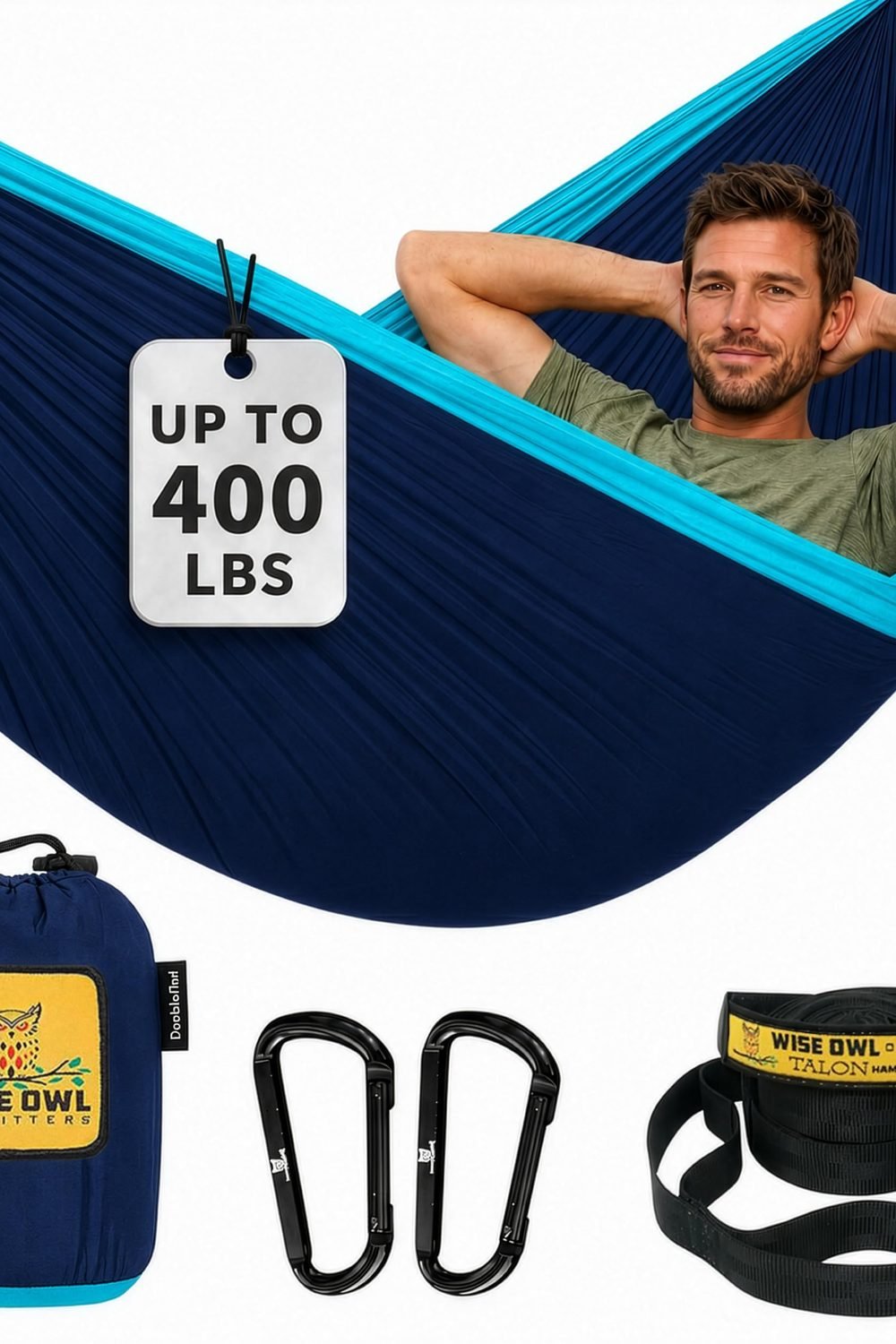
#1 – Wise Owl Outfitters Camping Hammock – up to 500lbs Portable Hammock with Tree Straps – Travel, Backpacking, Hiking, Outdoors Camping Gear – Single or Double
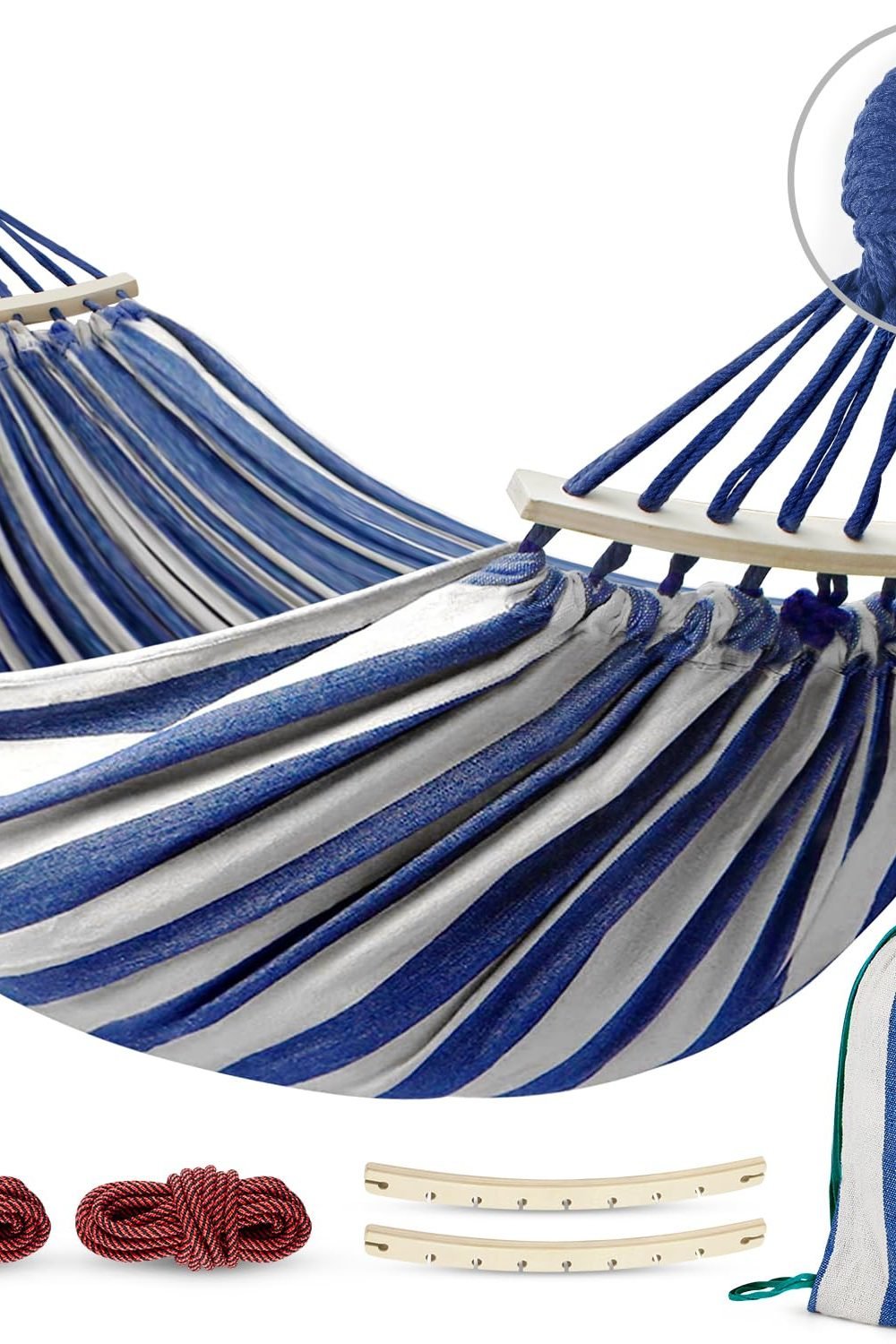
#2 – MOSFiATA Hammocks Portable Camping Hammock Upgraded 550lb Comfortable Fabric Hammock with Two Anti Roll Balance Beam and Sturdy Metal Knot Tree Straps for Camping, Patio, Backyard, Outdoor(Blue White)
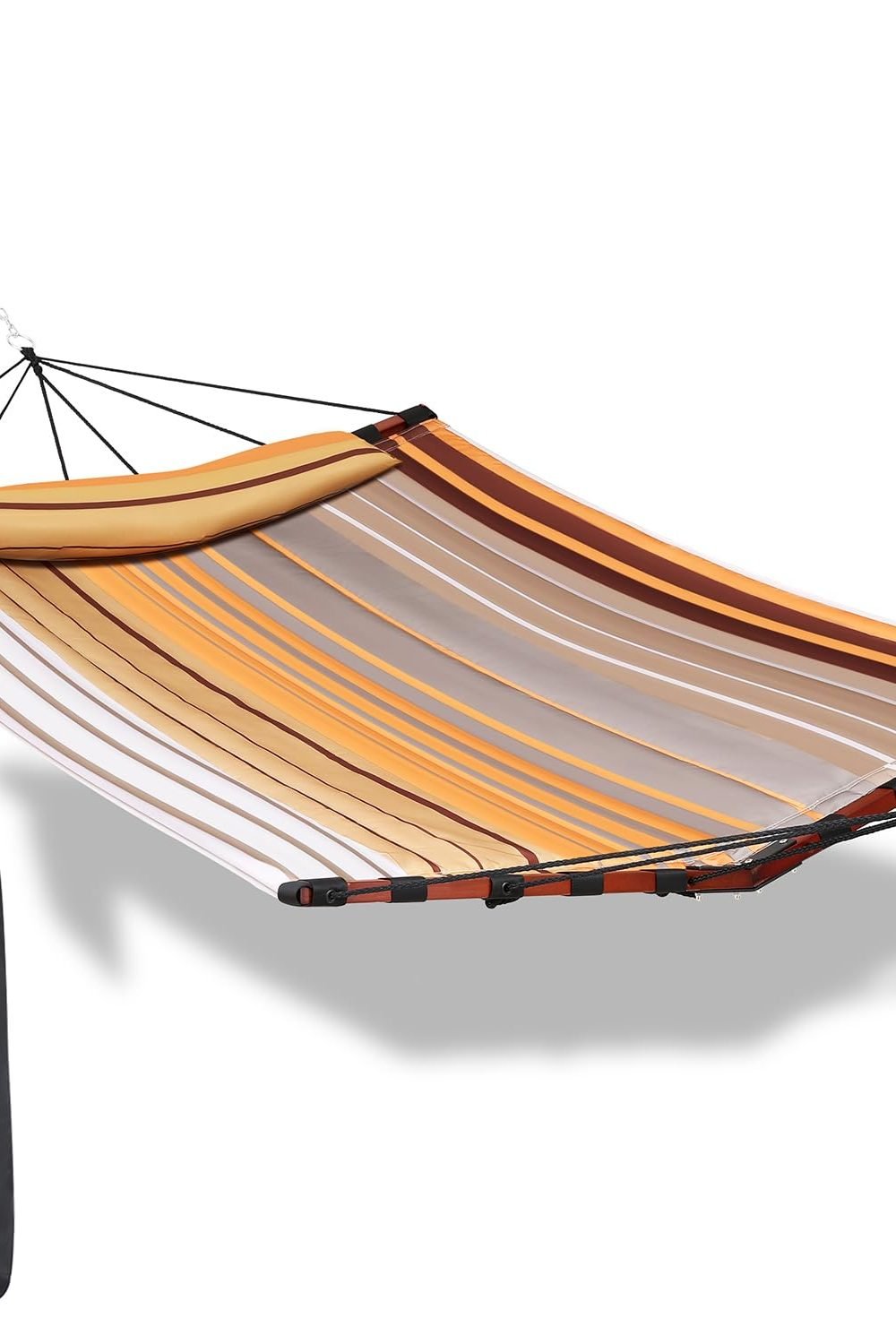
#3 – TegerDeger 12FT 2 Person Hammock V Shaped Spreader Bar Fall Yellow Stripes
What the headline misses
The first useful distinction in garden hammock 2026 08 26 is between a product that looks impressive in a listing and a product that fits the job a buyer actually needs to complete. That is why this shortlist separates Best Overall, Best Budget, and Best for the specific use case. Those labels are decision tools, not a claim that every shopper should buy the same item.
A comparison page becomes more useful when it explains the cost of choosing the wrong format. In this category, the wrong choice can mean extra setup, awkward storage, limited coverage, a poor match for the surface, or a price that does not make sense for the frequency of use. The three finalists above are intentionally read through those practical tradeoffs.
How to read the three recommendations
Best Overall: the Best Overall pick
For the Best Overall pick, the strongest argument is balance. A Best Overall pick should not win because it has one spectacular specification. It should cover the common job without creating a new problem around setup, storage, maintenance, or replacement costs. That makes this option the sensible first read for a general buyer.
The tradeoff around the Best Overall pick is that balance usually costs more than the simplest entry point. Buyers should ask whether they will use the extra capacity or convenience often enough to justify the difference. If the answer is no, the Best Budget product may deliver a cleaner value decision.
Best Budget: the Best Budget pick
For the Best Budget pick, the value case needs a narrower definition than simply calling it cheap. A useful budget pick protects the shopper from paying for features that will sit unused. It still needs an acceptable path through setup and everyday use, because a low purchase price is not a bargain if the product is abandoned.
The main question for the Best Budget pick is where the lower price comes from. It may reflect a smaller format, fewer included parts, a simpler control system, lower capacity, or a less flexible use case. None of those is automatically a defect. They become defects only when they conflict with the buyer’s actual routine.
Best for the specific use case: the specialist pick
For the specialist pick, the specialist role is the point of the comparison. This product is not being presented as the universal winner. It is here because one concrete constraint matters more than broad versatility. That could be footprint, coverage, portability, a particular surface, a particular workflow, or a specific maintenance preference.
A specialist product can be the least regrettable purchase when its defining advantage appears every time the item is used. It can also be the wrong answer for a general household that wants one device to handle many situations. Read the use-case label literally and compare it with the space, time, and frequency available at home.
Ownership details that change the ranking
Setup, storage, and the first week
Setup deserves its own place in the decision. Before ordering garden hammock 2026 08 26, check where the item will live, how it will be carried or stored, whether an outlet or compatible accessory is required, and what parts need cleaning after use. These details are easy to overlook in a product grid and often decide whether the item feels convenient.
Maintenance is another hidden comparison field. Ask which components contact water, dirt, food, soil, chemicals, or other residue; which parts are removable; and whether consumables are proprietary. A product with a modestly higher price can be the better long-term value if it is easier to keep ready for the next use.
Ratings, price, and availability are signals
The numbers also need context. A rating is a signal from many buyers, not a controlled lab result. Review count can indicate how much public experience exists, but it does not prove that every review applies to your conditions. Availability tells you what can be bought now, while the price tells you what the decision costs today.
I would use the comparison in three passes. First, eliminate any product that cannot fit the physical or operational constraint. Second, compare the remaining products on the feature that matters most for the job. Third, read the corresponding product review for the details that a compact table cannot carry. This avoids choosing by a single badge or star score.
What the evidence can and cannot prove
The authority links and manufacturer information should answer factual questions, while the editorial analysis explains the tradeoff. If a claim depends on a specification, verify it against the current listing or official documentation. If a claim is a judgment about buyer fit, treat it as editorial guidance rather than a promise of identical results.
This article is source-based unless a hands-on evidence note says otherwise. ReviewGuid does not turn listing research into a fabricated personal test. That distinction matters because real performance can vary with the surface, room, climate, maintenance, operator technique, and condition of the item when it arrives.
How to make the final choice
Use the constraint-first decision path
Before checkout, compare the final delivered price, seller, return terms, warranty language, and availability of replacement parts. A product can move between roles when a sale appears or when an accessory is missing from the current bundle. The recommendation is therefore a structured starting point, not a reason to skip the final listing check.
The clearest decision is usually the one that names the compromise. Choose the Best Overall pick if you want the broadest answer and accept its price or footprint. Choose the Best Budget pick if the main objective is a simpler lower-cost path. Choose the specialist pick if the specific use case is more important than general versatility.
Recheck the offer immediately before ordering
If you are still undecided after reading the table, open the review that matches your role and look at the gallery, included features, known limitations, and purchase notes. Then return to the comparison and ask one final question: which limitation would bother you every time you used the product? That answer is usually more reliable than a generic ‘best’ label.
A final practical check is to write down the one task this purchase must make easier. If none of the three options improves that task in a repeatable way, wait rather than buying from a headline. If one option clearly fits, use its review and the live listing to confirm the remaining details.
Questions worth answering before checkout
Which product should a general buyer open first?
Start with the Best Overall pick and then compare its main limitation with your routine. If that limitation is unacceptable, move to the role that solves your constraint instead of forcing the overall pick to fit.
When is the budget choice the smarter choice?
the Best Budget pick is the smarter choice when its simpler format covers the job and the features you are giving up will not be used. Confirm the bundle and return policy before treating the lower price as final value.
Why not choose the most specialized option every time?
the specialist pick earns its place when its special strength appears often. If the use case is occasional or uncertain, the extra specialization can become unused complexity, which is why the Best Overall role remains the safer default for many households.
Did ReviewGuid perform a private laboratory test?
No. Unless an article names verifiable hands-on evidence, this comparison is based on dated marketplace data, product documentation, and authority sources. It does not present research as personal ownership or laboratory testing.
Where should I continue reading?
Use the companion trend article for category context at the current trend report. Use the three sibling reviews for product-level details before making the purchase decision.
The final listing check
Open the live offer for the Best Overall pick and compare the exact variation, seller, delivery estimate, and return language with the information used in this article. A changed bundle can change value even when the product name looks identical.
If the listing no longer matches the dated evidence, pause and reassess the role rather than silently assuming the old price or package still applies. That small check keeps the comparison useful after the marketplace changes.
The recommendation should also survive a realistic week of ownership. Imagine the first setup, the first storage decision, the first cleanup, and the first time the product has to solve the exact problem that led you to search for garden hammock 2026 08 26. If the Best Overall pick creates a manageable routine, it remains the broad recommendation; if not, the role-based alternatives become more persuasive.
A good comparison leaves room for a no-purchase decision. If the lawn, room, surface, schedule, or budget does not match any of these formats, buying immediately can create more work than it removes. Measure the constraint, check the current alternatives, and return to the three roles only after the job is clearly defined.
Buyer guide: match the product to the job
Filter this category by the primary job, physical space, frequency of use, setup time, maintenance, total cost, and return path. Eliminate any product that fails a non-negotiable constraint before comparing ratings.
Then use the role labels: Best Overall for broad fit, Best Budget for a simpler value path, and Best for a Specific Use Case when one narrow advantage dominates.
Which one should you buy?
Choose Wise Owl Outfitters Camping Hammock – up to 500lbs Portable Hammock with Tree Straps – Travel, Backpacking, Hiking, Outdoors Camping Gear – Single or Double when this is the constraint that matters most.
Choose MOSFiATA Hammocks Portable Camping Hammock Upgraded 550lb Comfortable Fabric Hammock with Two Anti Roll Balance Beam and Sturdy Metal Knot Tree Straps for Camping, Patio, Backyard, Outdoor(Blue White) when this is the constraint that matters most.
Choose TegerDeger 12FT 2 Person Hammock V Shaped Spreader Bar Fall Yellow Stripes when this is the constraint that matters most.
Decision notes for a garden hammock purchase
The three products answer different buying questions, so the comparison should be read as a routing tool rather than a claim that one item wins every situation. Wise Owl Outfitters is the broadest starting point in this shortlist, MOSFiATA is the lower-price route, and TegerDeger is the higher-priced specialist route. The useful question is which constraint is non-negotiable.
Begin with the installation plan. Identify the two support points, measure the available span, and note anything that could interfere with the hammock once it is in place. This check belongs before a feature list because a product that cannot be positioned in the intended area is not made suitable by a strong marketplace rating.
Then decide whether the hammock is for one person or for a wider use case. The product names and listing descriptions provide different clues, including portable formats, stated capacity language, cotton construction, tree straps, balance-beam language, and a two-person designation. Those descriptions are useful for narrowing the question, but the buyer should confirm the live specification before ordering.
Use the price snapshot as a boundary, not a promise. Wise Owl Outfitters is listed at $27.91, MOSFiATA at $24.99, and TegerDeger at $76.49 on the research date. A change in seller, variation, bundle, or promotion can change the comparison. Recheck the amount attached to the exact configuration that will be purchased.
Review volume changes how a rating should be interpreted. Wise Owl Outfitters has 21,378 visible Amazon reviews at 4.7, MOSFiATA has 4,986 at 4.4, and TegerDeger has 556 at 4.4. The numbers do not establish performance in a particular yard, but they do show that the evidence base is not equally deep across the three listings.
For the Best Overall role, ask whether a broadly compatible portable hammock with tree straps is the right kind of answer. The Wise Owl listing is the highest-rated and most-reviewed option in this group, but the buyer still needs to confirm the current dimensions, support requirements, included accessories, and return terms. A broad role does not remove the need for a fit check.
For the Best Budget role, ask what must remain true after the price advantage is counted. MOSFiATA is the lowest snapshot price in this set and its listing includes language about a 550lb hammock, a fabric design, anti-roll balance beams, and tree straps. Treat those as listing details to verify, then decide whether the support plan and routine match the intended use.
For the Best Upgrade role, ask what specific reason justifies paying more. TegerDeger is listed at $76.49, far above the other two snapshot prices, and its product name identifies a 12FT two-person hammock with a V-shaped spreader bar. That makes the role more specialized, but it does not make the higher price automatically worthwhile for a buyer whose need is simpler.
A useful comparison also includes the option to reject the shortlist. If the intended space cannot accommodate the selected format, if the support points are uncertain, or if the return plan is not acceptable, no role is a good fit yet. The correct action is to resolve the constraint or postpone the purchase.
Check the live listing in a fixed order. First confirm the product identity and variation. Second confirm the price, seller, and availability. Third inspect the dimensions and stated support method. Fourth check what is included. Fifth read the return and warranty language. This order separates facts that affect suitability from details that merely make the page persuasive.
Do not use the product photographs as a substitute for those checks. A photograph can show a general format, but it cannot establish the exact variation, the current bundle, the condition of the support hardware, or the terms that apply to the order. The comparison therefore points to the listing while keeping the dated research clearly labelled.
Think about the routine after setup. Who will install the hammock, where will it be stored, how often will it be moved, and what will happen when the weather changes? These are buyer questions rather than test claims. They help decide whether portability, a lower initial price, or a larger two-person format has real value in the household.
The shortlist is easier to use when one hard constraint is written down. A buyer focused on the lowest outlay can start with MOSFiATA. A buyer focused on the broadest role and deepest review record can start with Wise Owl Outfitters. A buyer who genuinely needs the described two-person spreader-bar format can investigate TegerDeger. Those are starting points, not guarantees.
When two products remain plausible, compare the cost of being wrong. A modest price difference may matter less than a return that is difficult to arrange, while a much higher price deserves a clear reason tied to the use case. This is why price, evidence depth, support plan, and return path belong in the same decision rather than in separate sections.
The comparison also protects against a common reading error: treating a role label as a laboratory conclusion. ReviewGuid has not privately tested these listings in the reader’s garden. The article reports dated marketplace information, product descriptions, and practical buying constraints. Readers should use that evidence to form a shortlist and then verify the current offer.
For a final choice, state the decision in one sentence. For example: choose the broadest role because it fits the space and the expected routine; choose the budget role because the lower outlay solves the same job; or choose the specialist role because its specific format is required often enough to justify the price. If the sentence cannot be completed honestly, the decision is not ready.
That final pause is not unnecessary friction. It is the part of a comparison that prevents a headline rating, a temporary promotion, or an appealing photograph from deciding a purchase that has not yet been checked against the real garden. The individual reviews below are available for the detail, but the constraint remains the buyer’s responsibility.
The final check is simple: match the role to the space, the support plan, and the budget you can defend, then confirm the live variation before ordering. If those three checks do not agree, pause rather than treating a role label as a guarantee.
Keep the dated figures visible while making that decision.
A deeper ownership framework
Choosing a garden hammock is easier when the decision is separated into stages. The first stage is suitability: can the format fit the space and the support plan? The second is value: does the price make sense for the job? The third is confidence: are the listing details clear enough to order? A product should not advance to the next stage if it fails the stage before it.
Suitability begins with the installation points. A buyer should identify where the hammock will be attached or placed, how much room is available around it, and whether the intended location remains practical when the hammock is occupied. These are not laboratory claims. They are simple checks that prevent a product from being selected on a screen before the real garden has been considered.
Portability changes the decision as well. A portable format may be attractive to a buyer who expects to move the hammock, store it, or use it in more than one place. That benefit has to be compared with the time required to set up and remove it. If the hammock will remain in one location, portability may be less valuable than a stable, clearly understood setup.
Support hardware deserves its own check. Tree straps, spreader bars, and other named parts can affect how a buyer imagines the installation, but the exact contents depend on the live variation. Read the product description and included-items information for the chosen configuration. Do not assume that a photograph or a role label proves that every visible item is included.
Capacity language should be treated as a specification to confirm, not as a guarantee of comfort or safety in every use. The MOSFiATA listing uses 550lb language, Wise Owl Outfitters uses up to 500lbs in its product name, and the TegerDeger listing is framed as a 12FT two-person format. Those descriptions help define the comparison, while the live listing remains the place to verify the applicable terms.
Comfort is a buyer-fit question with several parts. Consider the expected number of users, the time spent in the hammock, the preferred fabric feel, the amount of movement, and the way the product will be stored. The comparison cannot turn those preferences into a universal score, but it can keep them visible so that the buyer does not confuse a high rating with a personal fit.
Space planning also includes the area around the hammock. Leave room for entry, exit, movement, and ordinary garden maintenance. A layout that looks workable in a product image may become inconvenient when paths, plants, furniture, or changing weather are considered. This is why the buyer guide starts with the garden rather than with the ranking.
Weather and storage are practical ownership questions. Decide whether the hammock will stay outside, be covered, or be moved after use. Confirm the care instructions and storage guidance on the live listing rather than inferring them from the material name. A buyer who has no storage plan should weigh that constraint before choosing a format that is harder to put away.
Price comparison should include the cost of resolving uncertainty. The lowest listed price is not automatically the lowest total commitment if the configuration is unclear or the return process is difficult. The higher-priced specialist option also needs a clear reason to exist in the buyer’s routine. A defensible decision connects the amount paid to a requirement that appears repeatedly, not to a feature that sounds impressive once.
Evidence depth is another comparison dimension. Wise Owl Outfitters has the largest visible review base in this shortlist, MOSFiATA has a substantial but smaller base, and TegerDeger has fewer visible reviews. The different volumes do not prove that one product will outperform another in a particular garden. They show how much marketplace history sits behind each average and help the buyer calibrate confidence.
Read recurring review language carefully when the live listing is open. Look for comments that describe the same use case, support method, or maintenance concern as the intended purchase. Ignore isolated enthusiasm or frustration when it does not match the buyer’s situation. The comparison gives the reader the role and the dated facts; the live review record can then answer the narrower question.
Be cautious with apparent feature equivalence. Two hammocks can both be portable while differing in shape, support approach, fabric, and intended occupancy. A shared word does not create identical ownership. Compare the exact details that matter to the job, then accept that the best answer may differ for two buyers using the same keyword.
The role labels are designed to reduce search time. Best Overall points to the broadest starting question, Best Budget points to the lower-outlay question, and Best Upgrade points to the more specialized question. They are not a substitute for a personal checklist. A role should be rejected when it conflicts with a hard constraint, even if its label sounds attractive.
Build a short decision record before checkout. Write down the intended location, the number of users, the support method, the maximum acceptable spend, and the one condition that would trigger a return. Then compare each finalist against the same record. This prevents a product page from changing the rules halfway through the decision.
A return plan is part of product fit, not an administrative detail. Confirm who handles the return, how long the window lasts, what condition is required, and whether the selected variation is covered. These terms can change with seller and configuration. If the plan is unacceptable, the buyer has learned something important before paying.
Availability can alter the choice at the moment of purchase. If one role is unavailable or the price changes materially, do not silently substitute another role. Re-run the decision using the same hard constraint and check whether the remaining product still answers the original job. A clean comparison is more useful when it makes substitutions explicit.
There is also a difference between an upgrade and a different product. TegerDeger’s two-person spreader-bar framing may be a different format rather than a simple improvement over a portable single-user hammock. The buyer should decide whether the requirement is more capability, more space, or a different use pattern. Paying more for a format that is not needed is not an upgrade.
Likewise, budget does not mean incomplete by definition. MOSFiATA can be the sensible starting point when its listed format matches the job and the buyer values a lower initial outlay. The price should not be treated as proof of weaker or stronger performance. It is one part of a decision that also includes fit, evidence, setup, and the return path.
Best Overall does not mean universal. Wise Owl Outfitters is a logical first stop for a buyer who values the broadest role and the deepest visible review record in this set. A buyer with a different hard constraint may rationally choose another finalist. The comparison is successful when it makes that reasoning clear, not when every reader receives the same answer.
Use the individual reviews to verify the final details, but keep the comparison framework in view. The review pages provide the product-specific price, rating, review count, role, and caveats from the same dated research. Reading them together prevents the common mistake of treating a single product page as if it were the whole market.
The last question is whether the purchase will remain useful after the first week. Think about setup repetition, movement, storage, cleaning, and who will actually use the hammock. If the answer depends on a routine that nobody in the household will maintain, the apparent value is lower than the listing suggests. Choose the format that fits the routine you have, not the routine you wish you had.
After all checks pass, confirm the live product identity one more time. Match the brand and product wording, selected variation, price, seller, and current availability to the finalist you evaluated. This final comparison between the research note and the checkout page is the simplest way to protect against a changed listing.
A careful comparison ends with a repeatable rule. Keep the space, support plan, occupancy, budget, and return path in view at the same time. The product that wins on one line but fails another is not the best fit yet. Recheck the live listing after choosing a role, because the price, seller, variation, and availability belong to the order being placed, not to an older snapshot. This final pause keeps the comparison useful without turning dated marketplace evidence into a promise.
Use a two-column note when the choice feels close. In the first column, write what the listing establishes: the role, the dated price, the visible rating, the review count, the product wording, and the named format. In the second, write what still needs confirmation: the selected variation, the available support points, the measurements, the included accessories, the storage plan, and the return terms. This simple separation protects the decision from overclaiming. It also shows why a higher score does not automatically defeat a lower price, or why a specialist format does not automatically justify a premium. Wise Owl Outfitters, MOSFiATA, and TegerDeger can each be sensible when the evidence and the job align. They can each be unsuitable when the space or routine conflicts with the format. The comparison is strongest when it tells the reader exactly where to look next and exactly what not to assume. Before checkout, repeat the note against the live page and remove any point that has changed. If the changed point affects the hard constraint, stop and reassess. If it does not, continue with the role that still matches the original purpose. That process is slower than clicking a headline, but it is faster than returning a hammock that was never a fit for the garden.
Frequently Asked Questions
What is the best garden hammock overall? +
The Best Overall role belongs to Wise Owl Outfitters Camping Hammock – up to 500lbs Portable Hammock with Tree Straps – Travel, Backpacking, Hiking, Outdoors Camping Gear – Single or Double; it is the broadest match for general buyers in this dated shortlist.
Which pick is best for a tighter budget? +
Use MOSFiATA Hammocks Portable Camping Hammock Upgraded 550lb Comfortable Fabric Hammock with Two Anti Roll Balance Beam and Sturdy Metal Knot Tree Straps for Camping, Patio, Backyard, Outdoor(Blue White) when upfront cost is the main constraint and its simpler tradeoffs fit your routine.
When does the specialist pick make sense? +
Choose TegerDeger 12FT 2 Person Hammock V Shaped Spreader Bar Fall Yellow Stripes when its specific use-case advantage appears often enough to justify a narrower fit.
Did ReviewGuid perform a private laboratory test? +
No. This comparison uses dated marketplace, product, and authority information and does not present research as personal ownership or lab testing.
Wise Owl Outfitters Camping Hammock – up to 500lbs Portable Hammock with Tree Straps – Travel, Backpacking, Hiking, Outdoors Camping Gear – Single or Double
Start here for the broadest match, then confirm the live listing and read the review before ordering.
Prices, ratings, and availability checked on 2026-08-26 and subject to change.