


Disclosure: As an Amazon Associate, I earn from qualifying purchases. – Maya Bennett
4.3/5
4.4/5
Start with the Best Mid-Range pick for the broadest fit, then compare the budget and specialist roles against your actual constraint.
How we picked these 3 robot vacuum products
ReviewGuid compared current listing details, pricing position, visible review depth, category fit, and the practical tradeoffs behind the commercial query robot vacuum. This is a source-based editorial comparison, not a fabricated hands-on test.
Read the companion context at the trend report.
Full spec sheet at a glance
| Role | Price | Rating | Reviews |
|---|---|---|---|
| Best Mid-Range | $219.98 | 4.3/5 | 484 |
| Best Budget | $99.99 | 4.2/5 | 1794 |
| Best Overall | $219.99 | 4.4/5 | 456 |
The 3 picks, in detail
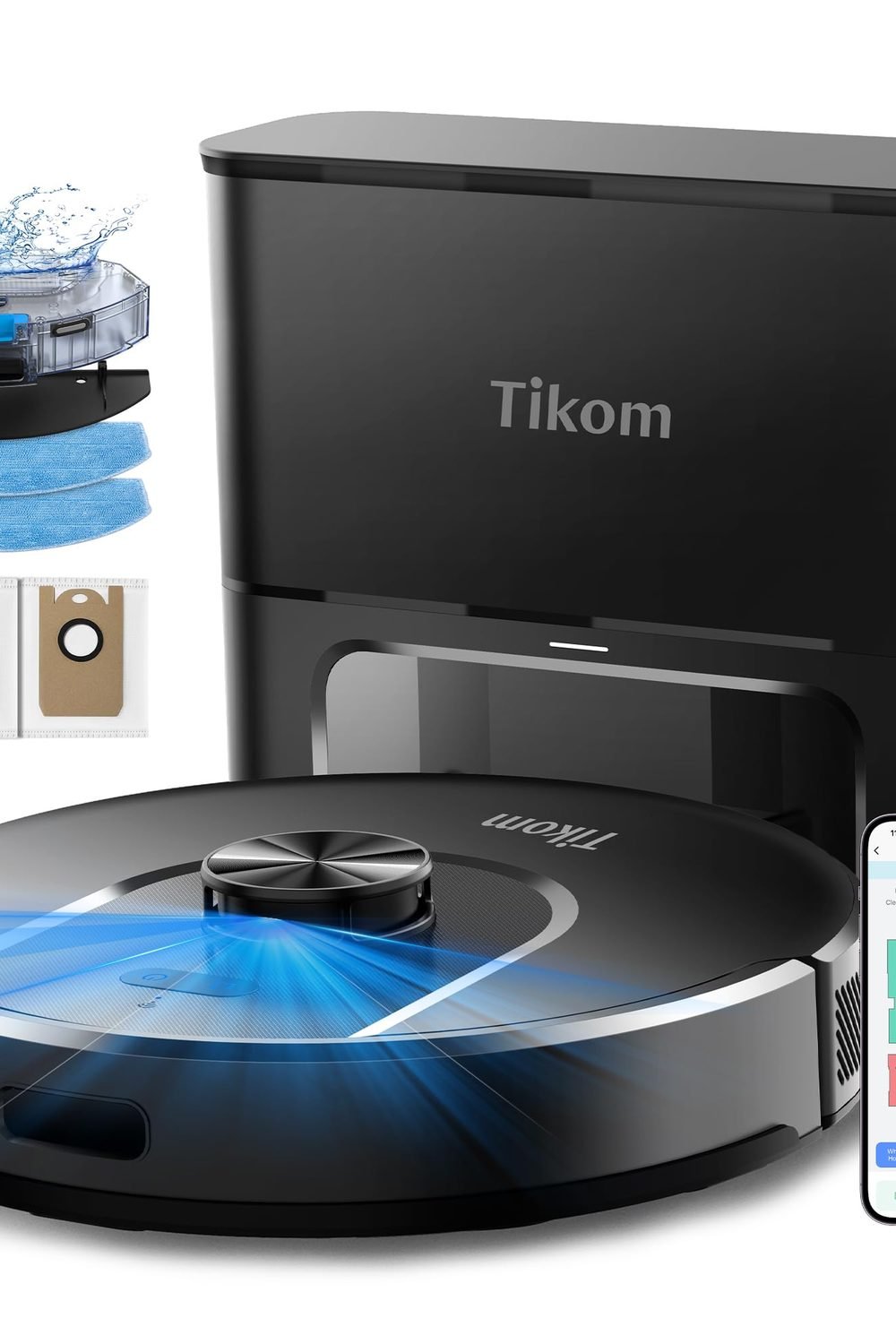
#1 – Tikom Robot Vacuum and Mop, Robotic Vacuum Cleaner with Self-Emptying Base
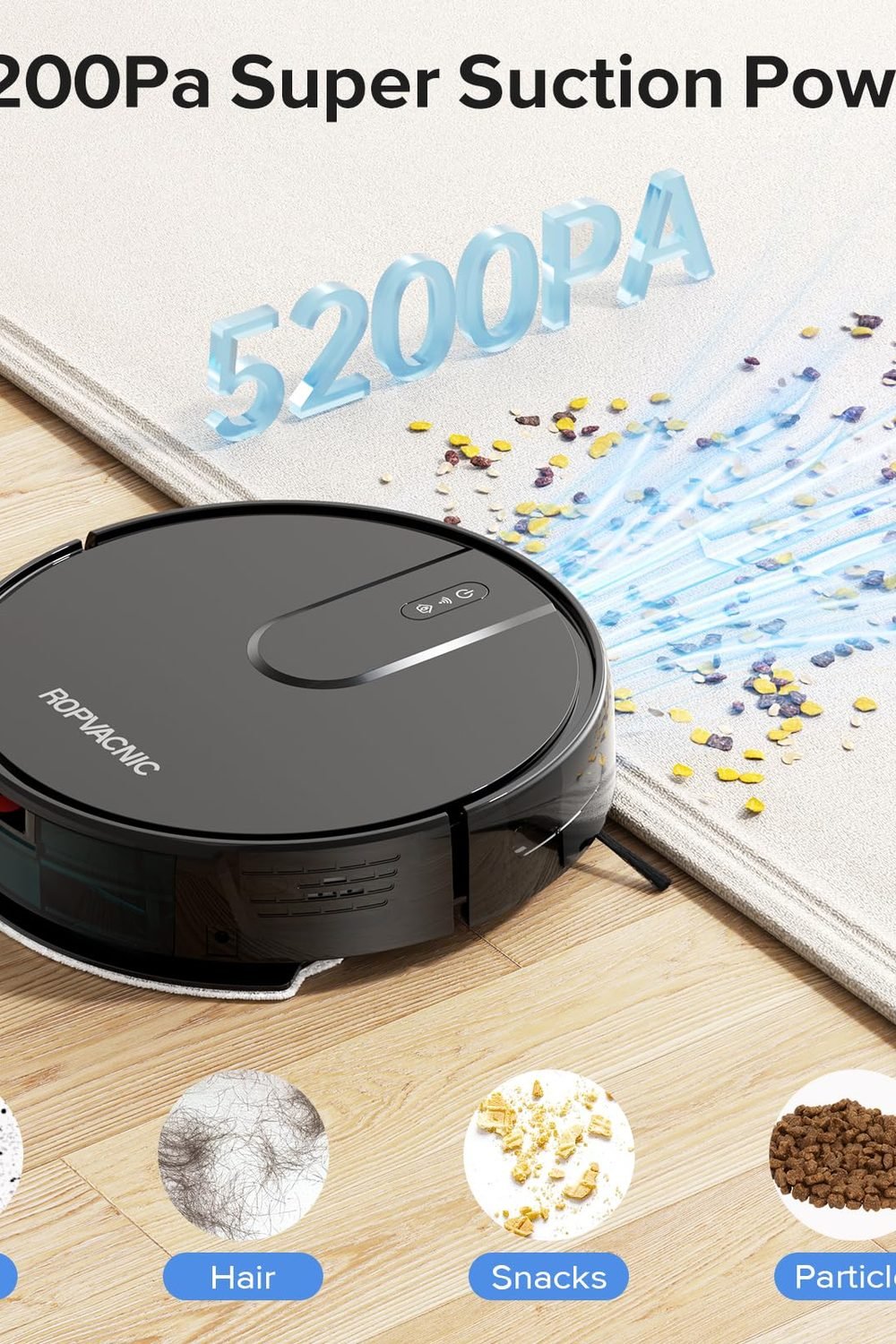
#2 – ROPVACNIC Robot Vacuum and Mop Combo 5200Pa Suction Robotic Cleaner
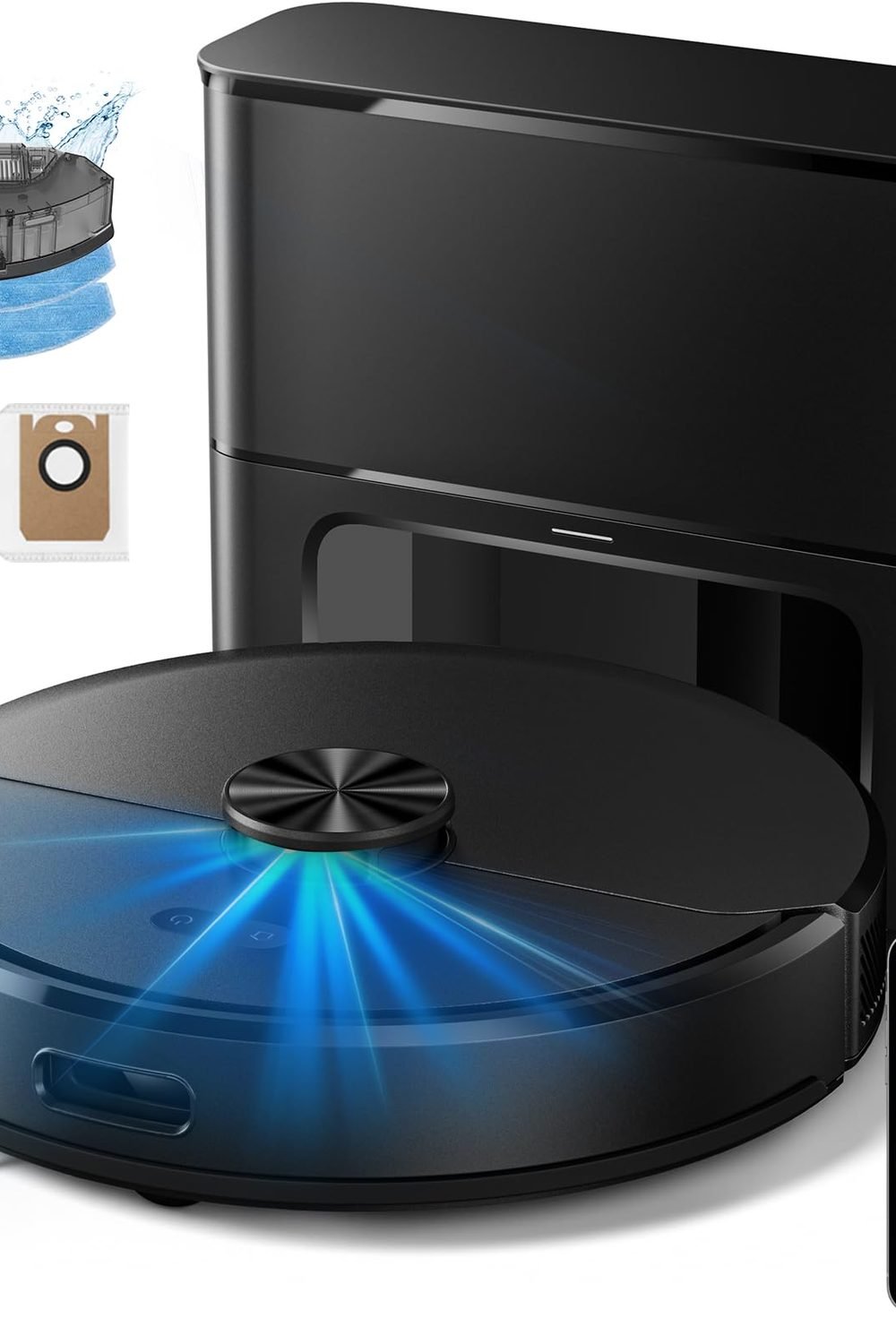
#3 – Kilgone Robot Vacuum & Mop, 90-Day Hands-Free, 6000Pa, Self-Empty, LiDAR
What the headline misses
The first useful distinction in robot vacuum 2026 08 26 is between a product that looks impressive in a listing and a product that fits the job a buyer actually needs to complete. That is why this shortlist separates Best Overall, Best Budget, and Best for the specific use case. Those labels are decision tools, not a claim that every shopper should buy the same item.
A comparison page becomes more useful when it explains the cost of choosing the wrong format. In this category, the wrong choice can mean extra setup, awkward storage, limited coverage, a poor match for the surface, or a price that does not make sense for the frequency of use. The three finalists above are intentionally read through those practical tradeoffs.
How to read the three recommendations
Best Overall: the Best Overall pick
For the Best Overall pick, the strongest argument is balance. A Best Overall pick should not win because it has one spectacular specification. It should cover the common job without creating a new problem around setup, storage, maintenance, or replacement costs. That makes this option the sensible first read for a general buyer.
The tradeoff around the Best Overall pick is that balance usually costs more than the simplest entry point. Buyers should ask whether they will use the extra capacity or convenience often enough to justify the difference. If the answer is no, the Best Budget product may deliver a cleaner value decision.
Best Budget: the Best Budget pick
For the Best Budget pick, the value case needs a narrower definition than simply calling it cheap. A useful budget pick protects the shopper from paying for features that will sit unused. It still needs an acceptable path through setup and everyday use, because a low purchase price is not a bargain if the product is abandoned.
The main question for the Best Budget pick is where the lower price comes from. It may reflect a smaller format, fewer included parts, a simpler control system, lower capacity, or a less flexible use case. None of those is automatically a defect. They become defects only when they conflict with the buyer’s actual routine.
Best for the specific use case: the specialist pick
For the specialist pick, the specialist role is the point of the comparison. This product is not being presented as the universal winner. It is here because one concrete constraint matters more than broad versatility. That could be footprint, coverage, portability, a particular surface, a particular workflow, or a specific maintenance preference.
A specialist product can be the least regrettable purchase when its defining advantage appears every time the item is used. It can also be the wrong answer for a general household that wants one device to handle many situations. Read the use-case label literally and compare it with the space, time, and frequency available at home.
Ownership details that change the ranking
Setup, storage, and the first week
Setup deserves its own place in the decision. Before ordering robot vacuum 2026 08 26, check where the item will live, how it will be carried or stored, whether an outlet or compatible accessory is required, and what parts need cleaning after use. These details are easy to overlook in a product grid and often decide whether the item feels convenient.
Maintenance is another hidden comparison field. Ask which components contact water, dirt, food, soil, chemicals, or other residue; which parts are removable; and whether consumables are proprietary. A product with a modestly higher price can be the better long-term value if it is easier to keep ready for the next use.
Ratings, price, and availability are signals
The numbers also need context. A rating is a signal from many buyers, not a controlled lab result. Review count can indicate how much public experience exists, but it does not prove that every review applies to your conditions. Availability tells you what can be bought now, while the price tells you what the decision costs today.
I would use the comparison in three passes. First, eliminate any product that cannot fit the physical or operational constraint. Second, compare the remaining products on the feature that matters most for the job. Third, read the corresponding product review for the details that a compact table cannot carry. This avoids choosing by a single badge or star score.
What the evidence can and cannot prove
The authority links and manufacturer information should answer factual questions, while the editorial analysis explains the tradeoff. If a claim depends on a specification, verify it against the current listing or official documentation. If a claim is a judgment about buyer fit, treat it as editorial guidance rather than a promise of identical results.
This article is source-based unless a hands-on evidence note says otherwise. ReviewGuid does not turn listing research into a fabricated personal test. That distinction matters because real performance can vary with the surface, room, climate, maintenance, operator technique, and condition of the item when it arrives.
How to make the final choice
Use the constraint-first decision path
Before checkout, compare the final delivered price, seller, return terms, warranty language, and availability of replacement parts. A product can move between roles when a sale appears or when an accessory is missing from the current bundle. The recommendation is therefore a structured starting point, not a reason to skip the final listing check.
The clearest decision is usually the one that names the compromise. Choose the Best Overall pick if you want the broadest answer and accept its price or footprint. Choose the Best Budget pick if the main objective is a simpler lower-cost path. Choose the specialist pick if the specific use case is more important than general versatility.
Recheck the offer immediately before ordering
If you are still undecided after reading the table, open the review that matches your role and look at the gallery, included features, known limitations, and purchase notes. Then return to the comparison and ask one final question: which limitation would bother you every time you used the product? That answer is usually more reliable than a generic ‘best’ label.
A final practical check is to write down the one task this purchase must make easier. If none of the three options improves that task in a repeatable way, wait rather than buying from a headline. If one option clearly fits, use its review and the live listing to confirm the remaining details.
Questions worth answering before checkout
Which product should a general buyer open first?
Start with the Best Overall pick and then compare its main limitation with your routine. If that limitation is unacceptable, move to the role that solves your constraint instead of forcing the overall pick to fit.
When is the budget choice the smarter choice?
the Best Budget pick is the smarter choice when its simpler format covers the job and the features you are giving up will not be used. Confirm the bundle and return policy before treating the lower price as final value.
Why not choose the most specialized option every time?
the specialist pick earns its place when its special strength appears often. If the use case is occasional or uncertain, the extra specialization can become unused complexity, which is why the Best Overall role remains the safer default for many households.
Did ReviewGuid perform a private laboratory test?
No. Unless an article names verifiable hands-on evidence, this comparison is based on dated marketplace data, product documentation, and authority sources. It does not present research as personal ownership or laboratory testing.
Where should I continue reading?
Use the companion trend article for category context at the current trend report. Use the three sibling reviews for product-level details before making the purchase decision.
The final listing check
Open the live offer for the Best Overall pick and compare the exact variation, seller, delivery estimate, and return language with the information used in this article. A changed bundle can change value even when the product name looks identical.
If the listing no longer matches the dated evidence, pause and reassess the role rather than silently assuming the old price or package still applies. That small check keeps the comparison useful after the marketplace changes.
The recommendation should also survive a realistic week of ownership. Imagine the first setup, the first storage decision, the first cleanup, and the first time the product has to solve the exact problem that led you to search for robot vacuum 2026 08 26. If the Best Overall pick creates a manageable routine, it remains the broad recommendation; if not, the role-based alternatives become more persuasive.
A good comparison leaves room for a no-purchase decision. If the lawn, room, surface, schedule, or budget does not match any of these formats, buying immediately can create more work than it removes. Measure the constraint, check the current alternatives, and return to the three roles only after the job is clearly defined.
How to use this shortlist without overreading it
A three-product comparison is most useful when it reduces the decision to a few observable constraints. This shortlist gives you three role labels, three dated price points, three customer-rating signals, and three product pages to check. It does not remove the final responsibility from the buyer. The right first move is to write down the job, the available space, the acceptable price, and the amount of routine you are willing to manage. Then use the role labels to remove mismatches instead of treating the highest-looking number as a universal answer.
The verified listing facts are deliberately narrow. Tikom is listed at $219.98 with a 4.3/5 customer rating from 484 reviews and is assigned the Best Mid-Range role. ROPVACNIC is listed at $99.99 with a 4.2/5 rating from 1,794 reviews and is assigned Best Budget. Kilgone is listed at $219.99 with a 4.4/5 rating from 456 reviews and is assigned Best Overall. Those numbers establish the shape of the shortlist; they do not prove that any one unit will deliver identical results in every home.
Read the page in two passes. On the first pass, eliminate a product that misses a non-negotiable requirement such as available floor space, budget, a required mode, or an unacceptable maintenance task. On the second pass, compare the remaining candidates on the one characteristic that matters most for your routine. This order keeps an attractive role badge from hiding a practical mismatch.
Start with the job, not the product name
Write one sentence describing what you expect the purchase to change. For example, the sentence might be about reducing a recurring cleaning task, keeping a particular area on a repeatable schedule, or avoiding manual work at a specific point in the week. Keep the sentence functional rather than promotional. If the job cannot be described clearly, it is too early to decide between these three listings because the comparison has no stable criterion to rank against.
Next, divide your requirements into must-have, useful, and optional. A must-have can eliminate a product even if its rating is attractive. A useful feature can break a tie between two candidates that already fit. An optional feature should not justify a higher outlay unless it solves a problem you will actually encounter. This simple sorting exercise is especially important here because the price spread is wide while the public rating numbers are relatively close.
Price spread, role labels, and value under real use
The dated prices create three distinct buying positions. ROPVACNIC is $119.99 below Tikom and $120.00 below Kilgone. Tikom and Kilgone are only $0.01 apart in the verified snapshot, so the choice between those two should be driven by the role and the listing details rather than by a meaningful price difference. This is a useful guardrail: a buyer who prefers Kilgone for the Best Overall role is not paying a large price premium over the Best Mid-Range option in the evidence captured for this package.
A lower purchase price is valuable only when the product still fits the job. Before calling the budget option the better value, check whether the current variation includes the capability and accessories you expect, whether the operating routine is acceptable, and whether the return path is clear. The comparison can identify the lower starting point; only the live listing and your household constraints can determine whether that starting point remains the lower total cost.
For the two listings near $220, think in terms of decision quality rather than small price differences. If the required feature set, role, and routine are otherwise acceptable, the extra cent between the dated Tikom and Kilgone prices should not decide the purchase. If one product requires an accessory or creates a recurring task you do not want, that practical difference matters more than the displayed price gap.
Use a simple ownership-cost check
Do not invent a yearly cost when the package does not verify consumable prices or replacement schedules. Instead, list the cost categories that must be checked on the live offer: the delivered purchase price, shipping or taxes if shown, replacement parts, consumables, optional accessories, and the cost of returning an unsuitable variation. Mark each category as known, unknown, or not applicable. This produces a more honest comparison than assigning a precise total from incomplete evidence.
Frequency changes the value calculation. An item used several times each week has more opportunity to repay a convenient workflow, but it also exposes any irritating maintenance step more often. An item used occasionally may not justify paying for a capability that remains idle. Ask how many times the purchase will be used in an ordinary week, then ask whether the main benefit appears on each of those uses. The answer should influence the role you choose.
Set a walk-away threshold before opening the Amazon button. It might be a maximum delivered price, a missing accessory, a seller you do not recognize, a return condition you cannot accept, or a variation that does not match the comparison table. A threshold turns price checking into a decision rule and prevents a limited-time presentation from pushing you into a purchase that fails the original job.
How to read the rating and review-count signals
The customer-rating figures are useful signals, but they are not controlled performance measurements. Kilgone has the highest displayed average at 4.4/5 from 456 reviews. Tikom shows 4.3/5 from 484 reviews. ROPVACNIC shows 4.2/5 from 1,794 reviews. The review counts provide context for how much public marketplace experience is represented, while the averages show the direction of that feedback. Neither field guarantees a particular result on a particular floor plan.
Review volume also changes how cautiously you should interpret a small difference. The 0.2-point spread between the displayed ROPVACNIC and Kilgone averages is not a laboratory margin, and the products may be purchased by different households with different expectations. A sensible reader asks what recurring praise or complaint appears in the review text and whether that pattern relates to the job at hand. Do not convert a star gap into a performance claim that the evidence does not make.
Use the rating as a screening signal, not as the whole ranking. First determine whether the product fits your non-negotiable constraints. Then use the rating and review volume to decide which product page deserves deeper reading. Finally, verify the current seller, variation, and return language. This sequence lets public feedback inform the choice without allowing an average score to override a clear operational mismatch.
Separate listing facts from editorial interpretation
The listing facts in this comparison include each product name, brand, ASIN, dated price, customer rating, review count, and role assignment. Product names also identify the advertised formats: Tikom includes a self-emptying base in its title, ROPVACNIC identifies a 5200Pa suction figure and a mop combo, and Kilgone identifies a 90-day hands-free claim, 6000Pa, self-emptying, and LiDAR. Treat those phrases as advertised listing descriptors. They are not independent measurements by ReviewGuid.
The editorial recommendation translates those facts into role-based guidance. Saying that a product is the Best Budget or Best Overall choice means it is the selected fit for that role in this shortlist. It does not mean that every buyer should choose it, that the product wins every test, or that an advertised number predicts the same outcome in every home. That distinction is the reason this page pairs a recommendation with a matching product review and a live-listing check.
Room layout and floor-plan checks before ordering
A robot vacuum purchase has to fit a route, not merely a room. Sketch the path from the likely dock or charging area through the spaces you expect to include. Note narrow transitions, thresholds, furniture with low clearance, rugs, cables, pet bowls, and places where the unit could become trapped. The product titles and role labels do not verify your measurements, so this is a buyer-side check that should happen before payment.
Clear the route you expect to use during an ordinary week, not only during a showroom-clean moment. The time required to move chairs, toys, cables, or other obstacles can change the practical value of automation. If the route requires repeated preparation, record that as part of the routine rather than treating it as an exception. A cheaper product that is rarely allowed to run may be worse value than a product whose workflow fits your home.
Plan for access as well as movement. The area around the base or storage position needs to remain reachable for emptying, cleaning, checking, or moving the unit. Do not assume that a product can be placed wherever there is an outlet. Measure the footprint, confirm the path to the chosen location, and decide where loose accessories will live. These details are not new product facts; they are practical acceptance tests for the listing you are considering.
Mixed surfaces and the mop question
When a product title mentions both vacuuming and mopping, define what you expect those words to mean in your home. Are you trying to collect dry debris, refresh a hard floor, reduce the frequency of manual cleaning, or combine several tasks? A category label cannot answer how your surfaces, rugs, spills, and thresholds will interact with the advertised format. Write down the surfaces that matter and use the product review and live listing to confirm the current instructions.
Keep a boundary between dry-cleaning expectations and wet-cleaning expectations. A buyer may accept a light maintenance pass on hard flooring but still need a separate approach for a spill, a delicate surface, or a rug. If wet use is part of the job, check the exact variation, operating guidance, and care requirements before assuming that a title phrase covers every situation. The safe comparison is the one that makes the intended task specific.
Also decide how much manual intervention is acceptable. Any product can require preparation, inspection, emptying, cleaning, or occasional recovery from an interrupted route. The question is not whether maintenance exists; it is whether the cadence fits the people who will use the device. If the answer is no, move to the sibling role or delay the purchase rather than relying on the word hands-free as a complete promise.
What the advertised automation terms do and do not settle
Self-emptying, hands-free, LiDAR, suction, and mop are meaningful search terms, but they are not interchangeable outcomes. They describe a feature, a format, or an advertised capability. They do not tell you how the device will behave in your particular rooms, how often you will intervene, or whether the current bundle contains everything you need. Use each term to form a verification question instead of treating it as a final conclusion.
For a self-emptying claim, ask what must still be emptied, cleaned, inspected, or replaced and where those tasks will happen. For a hands-free claim, ask which steps remain manual during setup and ordinary use. For LiDAR or suction figures, ask whether the specific listing explains the mode, variation, or operating condition that gives the number meaning. For a mop combo, ask what surfaces and care steps the current instructions cover.
This approach protects the comparison from feature inflation. A product with more language in its title is not automatically the better purchase. A product with a simpler title is not automatically inferior. The useful distinction is between a capability you will use, a capability you can verify, and a capability that is merely attractive in a search result. Rank those three categories separately before choosing a role.
Use the product pages as the next evidence layer
The comparison gives you the shortlist and the sibling reviews give you the product-level context. Open the review that matches the role you are considering, then open the live listing from that page. Compare the name, ASIN, variation, price, seller, included items, and return terms. If any of those fields differ from the dated package evidence, treat the current listing as the decision point and reassess the role.
Do not fill an evidence gap with a guess. If the listing does not answer a question about dimensions, accessories, replacement parts, compatibility, or care, mark that question unknown and decide whether the uncertainty is acceptable. A comparison can be useful while remaining honest about what it cannot verify. The buyer’s next step is to resolve the uncertainty or choose a product whose documented fit is clearer.
Role-by-role decision rules for this shortlist
Choose Best Overall when: you want the broadest default within this three-product set, the Kilgone role assignment matches your priorities, and the live listing confirms the advertised configuration. The role is a starting recommendation, not an exemption from measuring the route, checking the variation, or reading the return terms.
Choose Best Budget when: keeping the initial outlay low is the primary constraint, the ROPVACNIC listing covers the required job, and the remaining maintenance or feature tradeoffs are acceptable. The $99.99 dated price is a strong reason to investigate this option first for a cost-sensitive buyer, but it does not answer whether the bundle or routine fits.
Choose Best Mid-Range when: you want the Tikom role position and the price near $220 is within the amount you planned to spend, while the self-emptying-base format in the product title aligns with your workflow. Confirm the current bundle and operating requirements because the comparison does not independently verify a result from that advertised format.
The role rules are intentionally conditional. They let two buyers reach different conclusions from the same table without either buyer misreading the evidence. One buyer may put the initial price first, another may prioritize a broad default, and another may care most about the mid-range position. The comparison works when the selected role is tied to a real constraint that can be checked.
When the default recommendation is not the right recommendation
Move away from the Best Overall role when its defining tradeoff conflicts with your budget, layout, or routine. Move away from Best Budget when the lower initial outlay comes with a missing requirement you will notice every week. Move away from Best Mid-Range when the advertised format does not solve the job that caused you to search. In each case, the change is not a failure of the shortlist; it is the expected result of applying a role to a specific home.
It is also reasonable to buy none of the three. If the route is not ready, the live offers no longer match the dated evidence, or the expected benefit is too occasional to justify the routine, waiting is a defensible outcome. Save the comparison, define the missing requirement, and return when the job or the listing becomes clearer. A good buying guide should reduce regret, not force a checkout.
A ten-minute checkout sequence
Start by reopening the exact product link and confirming the ASIN. This guards against confusing similar names, bundles, and variations. Then compare the current title and included configuration with the facts in the table. If the product page has moved to a different seller or variation, pause the decision and reread the matching review rather than relying on the old snapshot.
Next, check the current delivered price and note what is included. Do not treat a displayed base price as the final cost when shipping, taxes, accessories, or replacement parts can change the total. If the offer is materially different from the dated evidence, record the difference and ask whether the product still belongs in the same role. A role assignment should survive the live offer check.
Then review the return window, seller information, delivery estimate, warranty wording, and any care instructions available on the listing. These details matter because a device that does not fit the home may need to be returned, and a feature that requires a specific routine may need ongoing support. Read the terms before ordering so the return path is part of the decision instead of an emergency plan.
Finally, write one sentence explaining why you are buying this product and one sentence explaining the tradeoff you accept. If you cannot write both sentences, the choice is not ready. If you can, compare those sentences with the role label and the live listing one last time. The purpose of this sequence is not to create friction; it is to make the purchase match the job you started with.
What to save for future reference
Save the product URL, ASIN, checked price, role, and date you used for the decision. The marketplace can change after publication, so a dated note makes it clear which evidence supported the purchase. Keep the receipt and current return terms with that note. If a later question arises, you can distinguish a changed listing from an issue that was already visible when you ordered.
Use the same note to record the one limitation you agreed to accept. That makes the review useful after checkout because you can tell whether the product is meeting the intended job or whether the problem is a mismatch that should have moved you to another role. Honest comparison is not only about picking a winner; it is about making the tradeoff visible before money changes hands.
Final comparison summary before the Buyer Guide
This shortlist is clearest when read as three different answers to three different constraints. ROPVACNIC is the low-entry-price path at the verified $99.99 snapshot. Tikom occupies the verified $219.98 mid-range position and its title identifies a self-emptying base. Kilgone is the selected Best Overall role at the verified $219.99 snapshot and its title identifies a 90-day hands-free claim, 6000Pa, self-emptying, and LiDAR. Those are the comparison anchors; the buyer still needs to verify the live variation and determine whether the advertised format fits the home.
The public rating signals are close enough that they should support, not replace, the role decision: 4.3/5 from 484 reviews for Tikom, 4.2/5 from 1,794 reviews for ROPVACNIC, and 4.4/5 from 456 reviews for Kilgone. The different review volumes also make a simple star-score ranking incomplete. Read the recurring feedback on the product page, connect it to your own constraints, and keep the distinction between buyer reports and controlled testing clear.
If your priority is the lowest initial outlay, begin with the Best Budget review. If you want the selected general starting point, begin with Best Overall. If you want the middle price position and the advertised self-emptying-base format, begin with Best Mid-Range. In every case, finish with the same live checks: exact ASIN, current variation, delivered price, seller, included items, return path, and a route that works in your home.
The strongest conclusion is therefore conditional rather than universal. The best robot vacuum for you is the one whose verified role, advertised format, dated value, and maintenance expectations align with the job you will repeat. Once that alignment is clear, the product review can answer the remaining questions and the current listing can confirm whether the offer is still the one described here.
Buyer guide: match the product to the job
Filter this category by the primary job, physical space, frequency of use, setup time, maintenance, total cost, and return path. Eliminate any product that fails a non-negotiable constraint before comparing ratings.
Then use the role labels: Best Overall for broad fit, Best Budget for a simpler value path, and Best for a Specific Use Case when one narrow advantage dominates.
Which one should you buy?
Choose Tikom Robot Vacuum and Mop, Robotic Vacuum Cleaner with Self-Emptying Base when this is the constraint that matters most.
Choose ROPVACNIC Robot Vacuum and Mop Combo 5200Pa Suction Robotic Cleaner when this is the constraint that matters most.
Choose Kilgone Robot Vacuum & Mop, 90-Day Hands-Free, 6000Pa, Self-Empty, LiDAR when this is the constraint that matters most.
Frequently Asked Questions
What is the best robot vacuum overall? +
The Best Overall role belongs to Tikom Robot Vacuum and Mop, Robotic Vacuum Cleaner with Self-Emptying Base; it is the broadest match for general buyers in this dated shortlist.
Which pick is best for a tighter budget? +
Use ROPVACNIC Robot Vacuum and Mop Combo 5200Pa Suction Robotic Cleaner when upfront cost is the main constraint and its simpler tradeoffs fit your routine.
When does the specialist pick make sense? +
Choose Kilgone Robot Vacuum & Mop, 90-Day Hands-Free, 6000Pa, Self-Empty, LiDAR when its specific use-case advantage appears often enough to justify a narrower fit.
Did ReviewGuid perform a private laboratory test? +
No. This comparison uses dated marketplace, product, and authority information and does not present research as personal ownership or lab testing.
Tikom Robot Vacuum and Mop, Robotic Vacuum Cleaner with Self-Emptying Base
Start here for the broadest match, then confirm the live listing and read the review before ordering.
Prices, ratings, and availability checked on 2026-08-26 and subject to change.