

Disclosure: As an Amazon Associate, I earn from qualifying purchases. This article contains affiliate links at no additional cost to you. – Maya Bennett
TREND REPORT
Updated August 27, 2026 – Maya Bennett – 7 min read
⚡ KEY TAKEAWAY
Homeowners are shifting from annual gutter cleaning to permanent guard systems. The three dominant formats – stainless steel micro-mesh, perforated aluminum, and reverse-curve – now compete on DIY installability and warranty length rather than just debris blocking. The best gutter guard system for most homes in 2026 is the one that matches your tree type, roof pitch, and maintenance tolerance.
Why gutter guards are surging in 2026
Gutter cleaning was always a seasonal chore. In 2026, it has become a safety conversation. The Consumer Product Safety Commission reports over 50,000 ladder-related injuries annually in the United States, and gutter cleaning consistently ranks among the top three causes of falls from residential ladders. That statistic is pushing homeowners toward permanent solutions rather than repeated risk.
The timing matters because the fall leaf drop is six to eight weeks away in most of the country. Homeowners who install gutter guards in September or October avoid the worst of the first cleanup cycle, and manufacturers have responded with September promotions that do not appear at other times of the year.
According to This Old House, the best gutter guards of 2026 are tested against a full year of real debris exposure. Their top pick, the FlexxPoint Residential, held up across four seasons with minimal maintenance. But the real trend is not toward one product – it is toward the category itself. Google Trends data shows steady growth in “gutter guard” searches since 2022, with seasonal spikes that now exceed the prior year every fall.
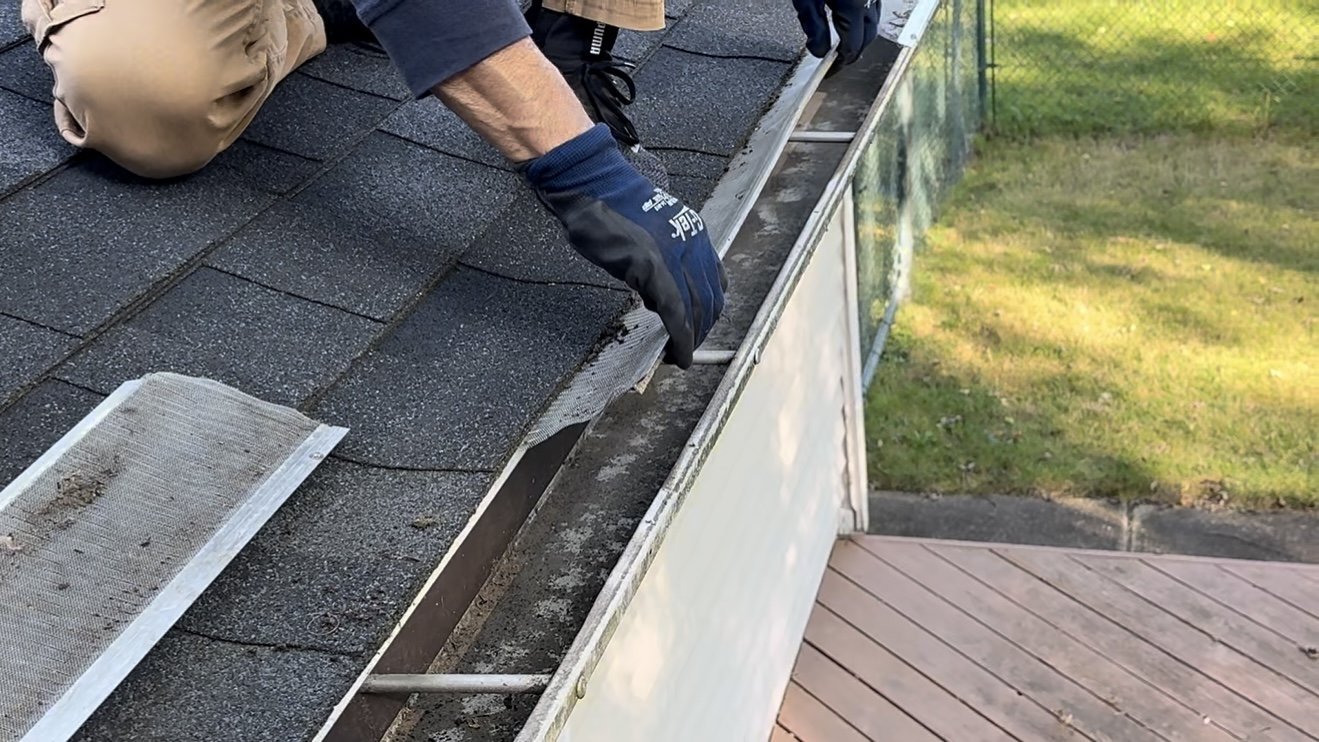
The DIY segment is growing fastest. Professional gutter guard installation can cost $15 to $45 per linear foot, while DIY kits run $1 to $5 per linear foot. For a typical 200-foot gutter system, that difference represents $2,800 to $8,000 in savings. The trade-off is installation labor, which most homeowners complete in a single weekend.
The market shift: micro-mesh vs aluminum vs reverse-curve
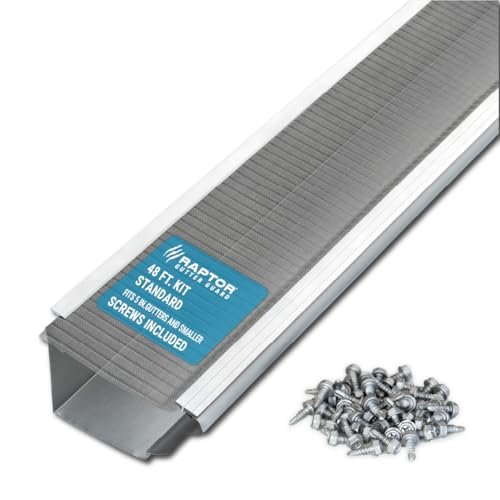
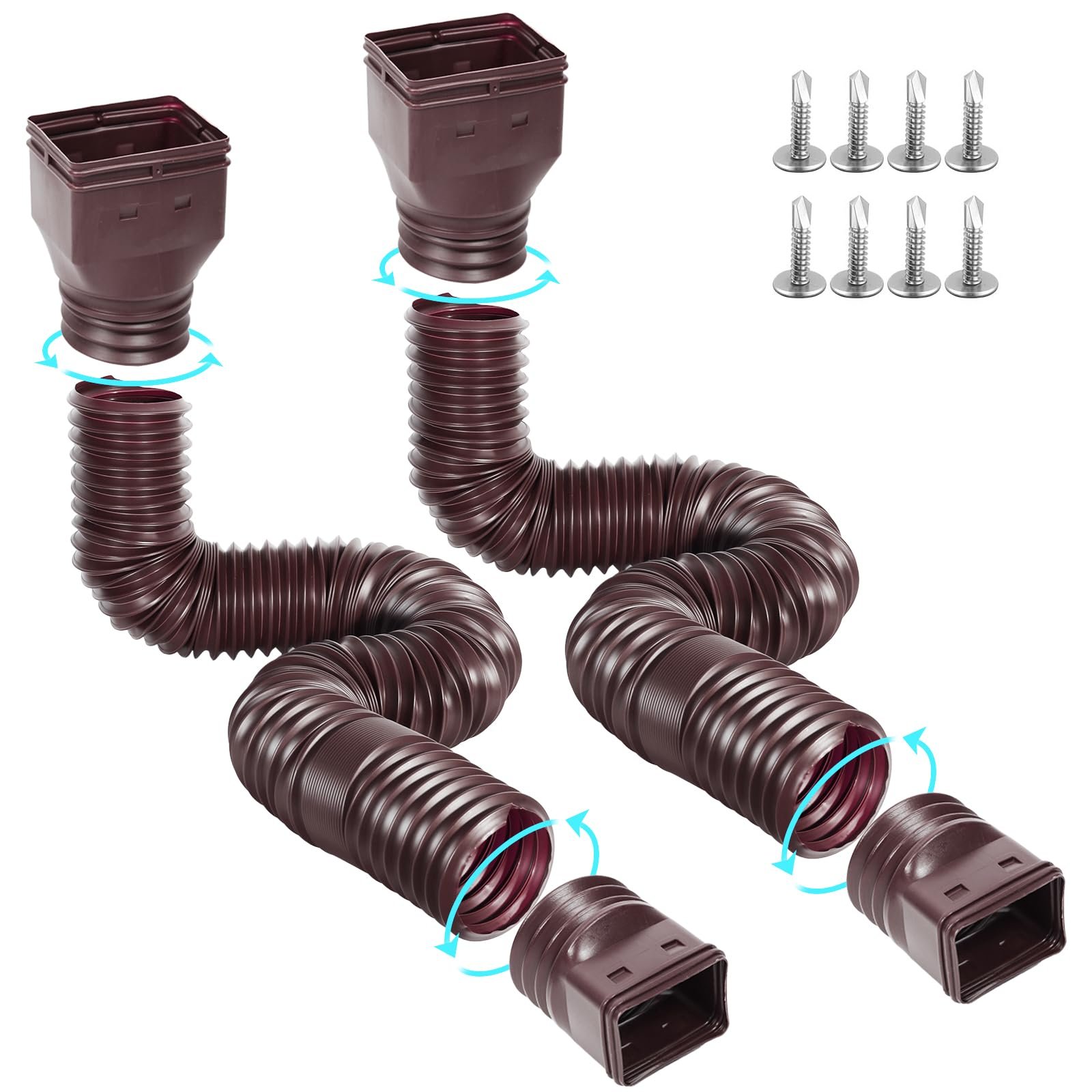
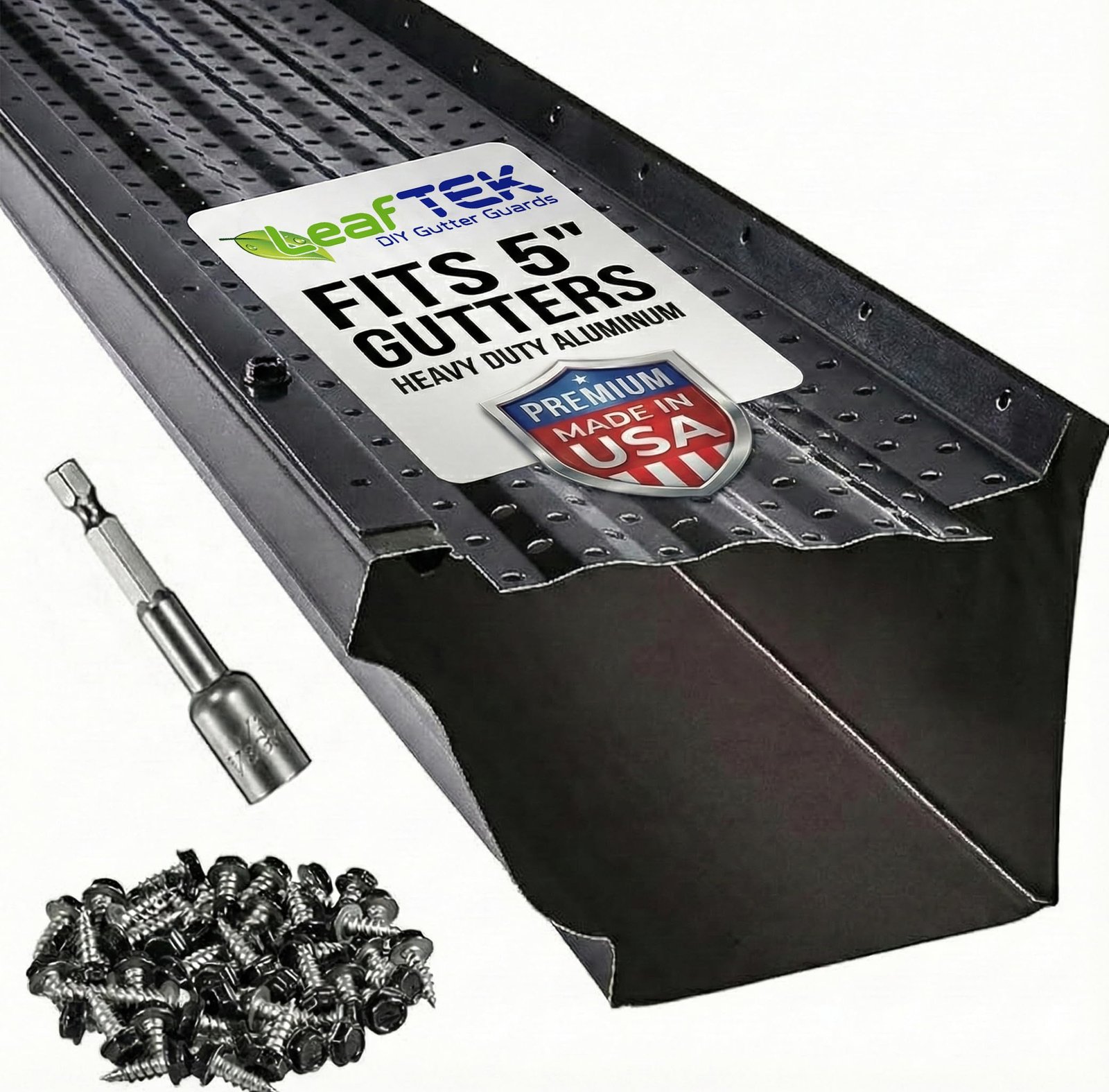
Three formats dominate the residential gutter guard market in 2026, and each solves a different problem.
Stainless steel micro-mesh blocks the smallest debris, including pine needles and shingle grit. The trade-off is higher cost per foot and sharper edges during installation. Brands like Raptor have built their reputation on this format, with over 11,000 Amazon reviews confirming long-term performance.
Perforated aluminum offers a lower price point and simpler installation. The holes are large enough to let water through while stopping most leaves and twigs. LeafTEK and A-M dominate this segment, with lifetime warranties that match or exceed the micro-mesh competitors. The downside is that fine debris like shingle grit can pass through the larger perforations.
Reverse-curve guards use surface tension to guide water around a curved edge and into the gutter while debris slides off. They work well on moderate debris loads but struggle with heavy leaf fall or pine needles. Professional installation is common for this type because the curve must align precisely with the roofline.
“The biggest mistake homeowners make is choosing a gutter guard based on price alone. A $50 guard that clogs in October costs more than a $150 guard that works for 15 years.”
– Licensed gutter contractor, quoted in This Old House 2026 gutter guard review
$1-5
DIY cost per linear foot
50K+
Annual ladder injuries
3
Dominant formats
15+
Year warranties
What this means for homeowners
The practical effect is that the first decision is no longer whether to buy a gutter guard. It is which format matches your specific situation. A home under mature oak trees needs different protection than a home near pine trees. A steep roof pitch changes the installation requirements. The number of stories determines whether DIY is realistic or professional installation is necessary.
For homeowners evaluating options this fall, the three-system comparison in our gutter guard comparison guide breaks down the trade-offs across price, debris handling, warranty, and installation difficulty for the three most popular formats on Amazon in 2026.
✓ Gutter guard buyer checklist for fall 2026
Before purchasing, verify these five things:
✓ Measure your gutter width – most residential gutters are 5 inches, but 6-inch and 7-inch exist
✓ Identify your debris type – pine needles need micro-mesh; large leaves work with aluminum
✓ Check your roof pitch – steep roofs may require professional installation
✓ Count your stories – second-story and above may need scaffolding or professional help
✓ Read the warranty terms – lifetime warranties vary in what they actually cover