


Disclosure: This is an independent analysis of the public official university course page. ReviewGuid did not enroll in, buy, or attend this program.
What this analysis can and cannot tell you
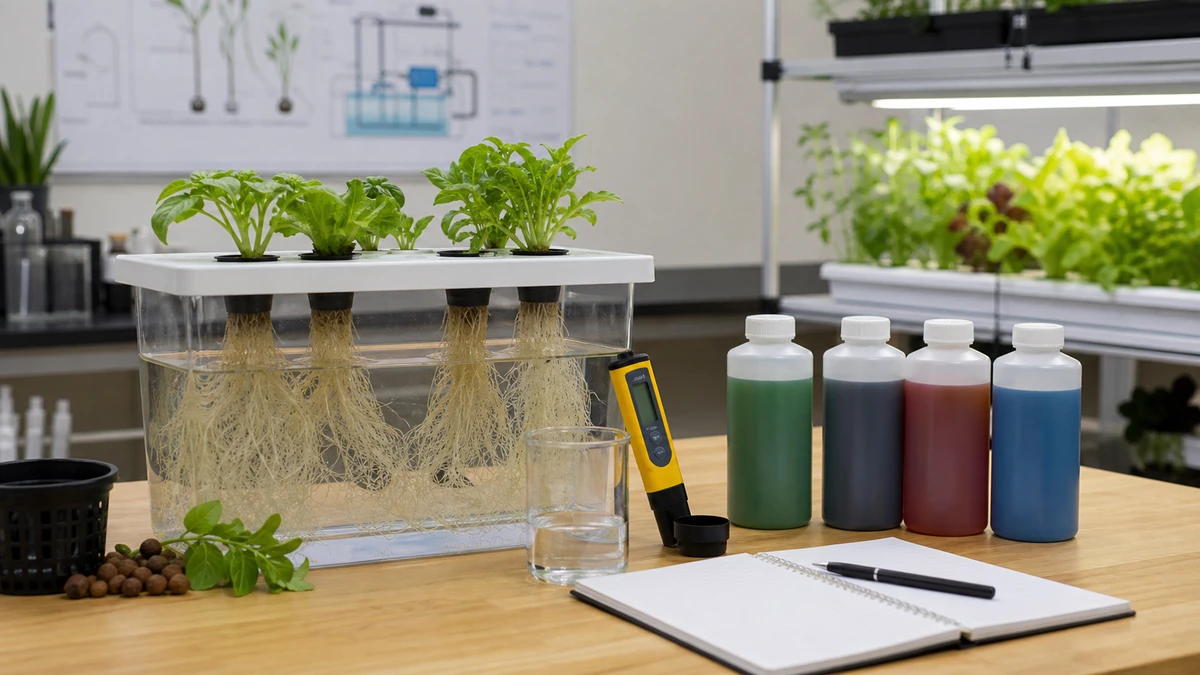
The University of Nevada, Reno Extension Hydroponic Crops Production Certificate Course is relevant to indoor garden shoppers because it addresses the knowledge gap that product pages often gloss over: nutrient management, pH, environmental controls, pest prevention, harvesting, and food safety.
The public page also sets an important boundary. It describes an in-person course at the Extension office in North Las Vegas and lists a $100 cost. This article does not turn that public description into a personal course review, and it does not imply that completing the course guarantees better harvests.
Curriculum and practical scope
Program analysis section 01 looks at system design through the needs of a United States shopper. Indoor hydroponics can reduce soil mess and extend access to herbs or greens, but it still requires light, water, nutrients, cleaning, and realistic expectations. The point of this section is to make one decision variable explicit so readers can compare a product or program without mistaking marketing language for measured proof.
Program analysis section 02 looks at plant nutrition through the needs of a United States shopper. Indoor hydroponics can reduce soil mess and extend access to herbs or greens, but it still requires light, water, nutrients, cleaning, and realistic expectations. The point of this section is to make one decision variable explicit so readers can compare a product or program without mistaking marketing language for measured proof.
Program analysis section 03 looks at pH balancing through the needs of a United States shopper. Indoor hydroponics can reduce soil mess and extend access to herbs or greens, but it still requires light, water, nutrients, cleaning, and realistic expectations. The point of this section is to make one decision variable explicit so readers can compare a product or program without mistaking marketing language for measured proof.
Program analysis section 04 looks at light and temperature through the needs of a United States shopper. Indoor hydroponics can reduce soil mess and extend access to herbs or greens, but it still requires light, water, nutrients, cleaning, and realistic expectations. The point of this section is to make one decision variable explicit so readers can compare a product or program without mistaking marketing language for measured proof.
Program analysis section 05 looks at humidity and airflow through the needs of a United States shopper. Indoor hydroponics can reduce soil mess and extend access to herbs or greens, but it still requires light, water, nutrients, cleaning, and realistic expectations. The point of this section is to make one decision variable explicit so readers can compare a product or program without mistaking marketing language for measured proof.
Program analysis section 06 looks at pest prevention through the needs of a United States shopper. Indoor hydroponics can reduce soil mess and extend access to herbs or greens, but it still requires light, water, nutrients, cleaning, and realistic expectations. The point of this section is to make one decision variable explicit so readers can compare a product or program without mistaking marketing language for measured proof.
Program analysis section 07 looks at harvesting through the needs of a United States shopper. Indoor hydroponics can reduce soil mess and extend access to herbs or greens, but it still requires light, water, nutrients, cleaning, and realistic expectations. The point of this section is to make one decision variable explicit so readers can compare a product or program without mistaking marketing language for measured proof.
Program analysis section 08 looks at food safety through the needs of a United States shopper. Indoor hydroponics can reduce soil mess and extend access to herbs or greens, but it still requires light, water, nutrients, cleaning, and realistic expectations. The point of this section is to make one decision variable explicit so readers can compare a product or program without mistaking marketing language for measured proof.
Program analysis section 09 looks at post-harvest handling through the needs of a United States shopper. Indoor hydroponics can reduce soil mess and extend access to herbs or greens, but it still requires light, water, nutrients, cleaning, and realistic expectations. The point of this section is to make one decision variable explicit so readers can compare a product or program without mistaking marketing language for measured proof.
Program analysis section 10 looks at hands-on training through the needs of a United States shopper. Indoor hydroponics can reduce soil mess and extend access to herbs or greens, but it still requires light, water, nutrients, cleaning, and realistic expectations. The point of this section is to make one decision variable explicit so readers can compare a product or program without mistaking marketing language for measured proof.
Program analysis section 11 looks at who the course is for through the needs of a United States shopper. Indoor hydroponics can reduce soil mess and extend access to herbs or greens, but it still requires light, water, nutrients, cleaning, and realistic expectations. The point of this section is to make one decision variable explicit so readers can compare a product or program without mistaking marketing language for measured proof.
Program analysis section 12 looks at the difference between education and product ownership through the needs of a United States shopper. Indoor hydroponics can reduce soil mess and extend access to herbs or greens, but it still requires light, water, nutrients, cleaning, and realistic expectations. The point of this section is to make one decision variable explicit so readers can compare a product or program without mistaking marketing language for measured proof.
Program analysis section 13 looks at travel distance through the needs of a United States shopper. Indoor hydroponics can reduce soil mess and extend access to herbs or greens, but it still requires light, water, nutrients, cleaning, and realistic expectations. The point of this section is to make one decision variable explicit so readers can compare a product or program without mistaking marketing language for measured proof.
Program analysis section 14 looks at in-person scheduling through the needs of a United States shopper. Indoor hydroponics can reduce soil mess and extend access to herbs or greens, but it still requires light, water, nutrients, cleaning, and realistic expectations. The point of this section is to make one decision variable explicit so readers can compare a product or program without mistaking marketing language for measured proof.
Program analysis section 15 looks at the stated $100 cost through the needs of a United States shopper. Indoor hydroponics can reduce soil mess and extend access to herbs or greens, but it still requires light, water, nutrients, cleaning, and realistic expectations. The point of this section is to make one decision variable explicit so readers can compare a product or program without mistaking marketing language for measured proof.
Program analysis section 16 looks at materials and staff support through the needs of a United States shopper. Indoor hydroponics can reduce soil mess and extend access to herbs or greens, but it still requires light, water, nutrients, cleaning, and realistic expectations. The point of this section is to make one decision variable explicit so readers can compare a product or program without mistaking marketing language for measured proof.
Program analysis section 17 looks at questions to ask before registering through the needs of a United States shopper. Indoor hydroponics can reduce soil mess and extend access to herbs or greens, but it still requires light, water, nutrients, cleaning, and realistic expectations. The point of this section is to make one decision variable explicit so readers can compare a product or program without mistaking marketing language for measured proof.
Program analysis section 18 looks at when a free guide may be enough through the needs of a United States shopper. Indoor hydroponics can reduce soil mess and extend access to herbs or greens, but it still requires light, water, nutrients, cleaning, and realistic expectations. The point of this section is to make one decision variable explicit so readers can compare a product or program without mistaking marketing language for measured proof.
Program analysis section 19 looks at when structured instruction may help through the needs of a United States shopper. Indoor hydroponics can reduce soil mess and extend access to herbs or greens, but it still requires light, water, nutrients, cleaning, and realistic expectations. The point of this section is to make one decision variable explicit so readers can compare a product or program without mistaking marketing language for measured proof.
Who may find it useful
The strongest fit is a learner who wants a structured introduction to hydroponic systems and can attend the stated North Las Vegas location. Home gardeners, Master Gardeners, educators, and people exploring controlled-environment growing are explicitly named on the official page.
The weaker fit is a shopper who only wants a countertop appliance recommendation, needs a fully online class, or expects a short course to substitute for repeated crop care. Product selection and horticultural education solve related but different problems.
Questions to ask before spending money
How it connects to this product cluster
Education can make product decisions more realistic, but it does not replace a product comparison. Start with the three indoor hydroponic garden picks for equipment tradeoffs, and open the Best Overall product review for listing-based buyer fit.
FAQ
What does the UNR hydroponics course cover?
The official page describes system design and management, plant nutrition, pH balancing, environmental controls, pest prevention, harvesting, food safety, and post-harvest handling.
How much does it cost?
The official University of Nevada, Reno Extension page lists a $100 course cost and says course materials and staff support are included.
Is it online?
The public page says the certificate course is offered in person at the Extension office in North Las Vegas, so readers should not assume it is an online class.
Did ReviewGuid enroll or test the course?
No. This is an independent analysis of the public official page only, with no claim of enrollment, purchase, attendance, or hands-on access.