

As an Amazon Associate, ReviewGuid earns from qualifying purchases. Prices and availability were checked August 14, 2026 and can change.
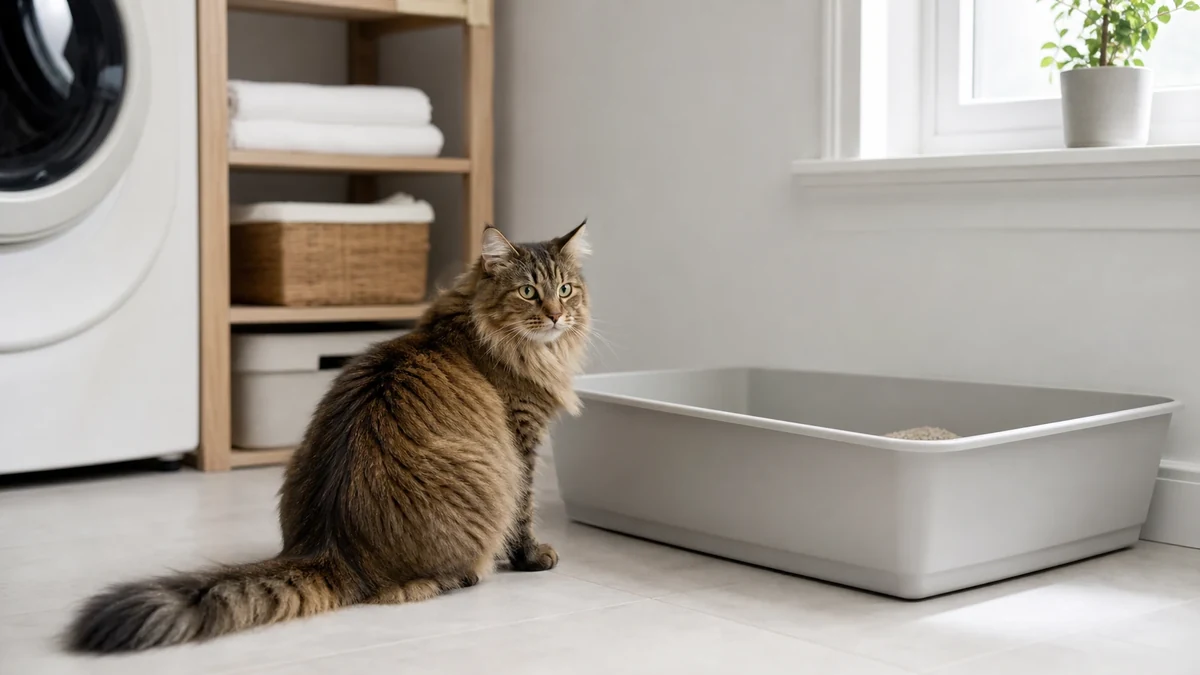
KEY TAKEAWAY: bigger cats expose small-box compromises
The large-cat litter box conversation is moving away from a generic label and toward usable interior space. Owners are looking for a pan that leaves room to turn, a wall profile that limits scatter, and an entry that does not punish an older or heavy cat. That combination explains why oversized open boxes, stainless pans, and high-sided designs are showing up together in current buyer discussions.
The main change is simple: shoppers are measuring the cat and the room before choosing a material. A product can be marketed as jumbo and still feel short once litter depth, a hood, or a bulky rim is counted. ReviewGuid is using the same lens for this cluster: product dimensions, access, cleaning, splash control, current price, rating, and the household job each format makes easier.
starting length rule
formats compared
top current rating
scoop routine
decision checks
Why the large-cat box question is growing
Large breeds are not the only cats affected. A long-bodied domestic shorthair, a muscular rescue, or a cat that backs into the wall while digging can make an ordinary pan feel undersized. Owner discussions increasingly describe the same pattern: the cat uses the box, but litter lands outside, the cat cannot turn comfortably, or the human has to clean the surrounding floor more often than expected.
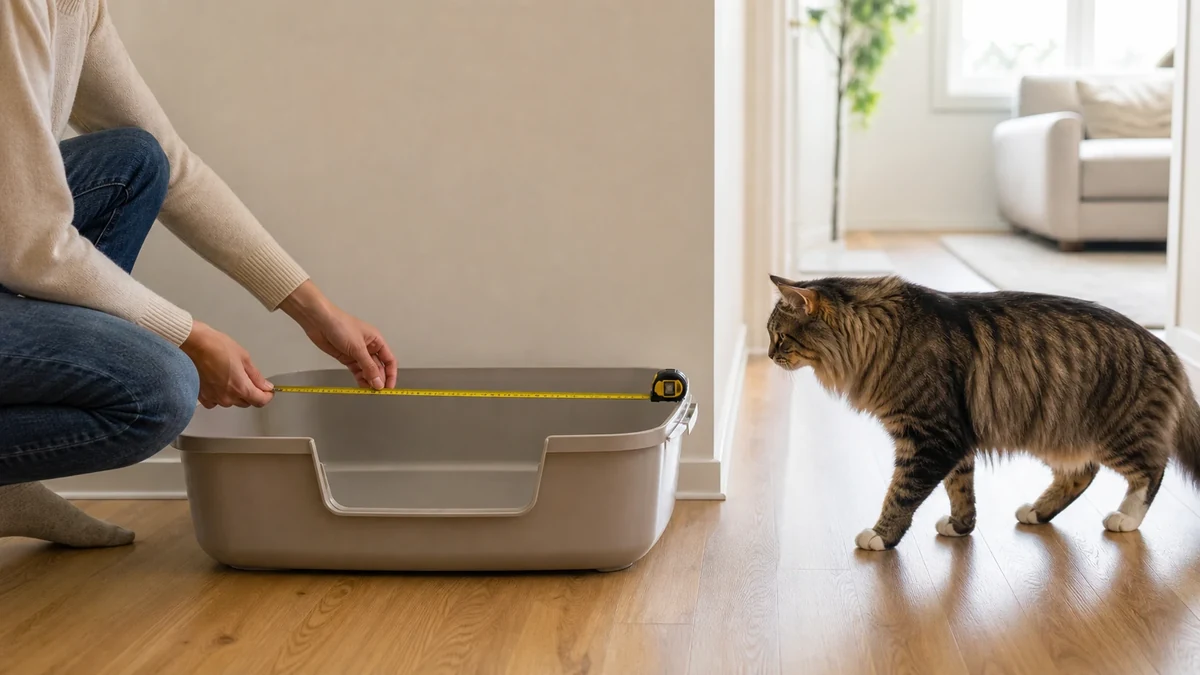
That pattern is a design signal rather than a reason to buy the largest object available. A box needs enough floor area, but it also needs a sensible entrance, stable placement, and a cleaning routine the household can sustain. The American Association of Feline Practitioners recommends thinking about a box at least one and a half times the cat’s body length. That is a starting measurement, not a universal guarantee.
Current category coverage also shows a wider set of tradeoffs. The Pet Bench’s July 2026 comparison of boxes for large cats reflects demand for size-specific guidance, while recent Reddit discussions show owners weighing stainless steel against high-sided plastic and covered formats. These signals point to the same editorial question: which compromise is least frustrating for the cat and the person?
Material changes the daily job
Stainless steel is attractive to owners who want a non-porous surface and a fast visual check. It can resist the lingering smell that some people associate with scratched plastic, although the actual result depends on litter, scooping, ventilation, and cleaning. Metal can also make a sharper sound when a scoop hits the pan, which may matter in a quiet home.
Plastic remains popular because it is light, accessible, and available in deep high-sided shapes. The tradeoff is that scratches and residue can make long-term cleaning more involved. A plastic box is not automatically a poor choice; it is simply a surface that benefits from regular emptying and gentle cleaning rather than abrasive scrubbing.
Covered boxes can help with visual privacy and scatter, but the roof reduces usable vertical and turning space. For a large cat, an open pan with a higher rear wall may achieve the practical goal with fewer spatial compromises. Owners should compare the interior opening with the cat’s shoulder width, not just the exterior footprint.
The five checks before ordering
Use the usable floor length and width.
Account for age and mobility.
Keep access quiet and predictable.
Start near the cat-friendly range.
Choose a surface you will maintain.
First, measure the cat from nose to the base of the tail, then compare that number with the interior floor length. Second, measure the entry height and the route to the box. Third, mark the footprint on the floor with painter’s tape. This catches a common mistake: a box may fit the room on paper but block a door, shelving unit, or the cat’s escape route.
Fourth, decide whether scatter or splash is the real problem. If the issue is litter kicked through the front, a mat and a thoughtful entry may do more than a very tall wall. If the issue is urine reaching the side, taller walls or a stainless enclosure may be more useful. Fifth, consider how the box will be emptied. A heavy full pan can be difficult to lift even when its dimensions are ideal.
Placement and care matter as much as size
ASPCA guidance recommends one litter box per cat plus one extra, with daily scooping and quiet, accessible placement. A large box placed beside a noisy appliance or behind a closed door can fail even when the interior is excellent. Large cats need the same sense of safety as small cats: a clear approach, a clear exit, and no surprise obstacle at the opening.
Use the litter the cat already accepts when switching boxes. Change one variable at a time so a refusal does not become a mystery. During a transition, place the new box near the old one, keep the litter depth familiar, and observe whether the cat avoids the entrance or simply dislikes the substrate.
For odor, frequency is usually more important than fragrance. Scoop daily, empty and wash on a schedule suited to the household, and let the pan dry before adding litter. Strong scents can be unpleasant to cats and can make a box feel less inviting even when the human thinks it smells cleaner.
A larger box needs a calm transition
Switching from a small pan to a larger model can reveal a useful distinction between preference and uncertainty. Some cats investigate the new object immediately, while others treat a different rim, smell, or location as a reason to hesitate. Keep the old box available during the change when possible, and avoid moving food, water, and the litter station at the same time. A slower transition produces clearer information about whether the size, material, or placement is the real issue.
For owners comparing formats, the first observation should be the cat’s approach. Does the cat enter without squeezing, turn without touching the walls, and leave without jumping over a tall barrier? The second observation is the surrounding floor after ordinary use. A box that protects the floor but makes the cat uncomfortable is not a successful upgrade. Comfort and containment have to be evaluated together.
Finally, keep the date of the buying decision in mind. Prices, ratings, and inventory are moving signals, while the dimensions and care guidance are the more durable parts of this article. Recheck the listing before checkout, measure again if the box is going into a narrow room, and use the comparison page when a specific tradeoff matters more than the headline star rating.
Avoid the common placement traps
A roomy box still needs a stable, level surface. If it rocks when the cat steps in, the cat may avoid it even when the interior is generous. Check the floor before adding litter, especially in a laundry area or on a mat that bunches under weight. Leave enough space to lift the rim, remove a liner if the design uses one, and reach the back corner with a scoop.
Privacy is also a balance. A quiet corner can help a cautious cat, but a hidden box beside a blocked doorway can feel unsafe. Keep a path open on at least two sides when the room allows it, and avoid placing the box directly next to a furnace, washer, or other sudden-noise source. These small choices can reduce accidents without changing the product.
For multi-cat homes, do not assume one extra-large box replaces several accessible boxes. A larger model can solve a size mismatch for one cat while another cat still needs a separate station. Spread boxes through the home instead of putting every option in one room, and watch whether one cat controls the route to the litter area. A practical layout protects both comfort and choice.
What buyers should expect from the 2026 category
The category is not converging on one universal winner. Stainless pans appeal to owners who prioritize cleanability, high-sided plastic appeals to owners who need scatter control at a lower price, and enclosure-style formats appeal to homes balancing appearance and containment. The right pick depends on the cat’s movement, the room, and the task that currently causes the most frustration.
That is why the companion comparison evaluates three different formats instead of ranking three near-identical pans. It also explains why current ratings need context. A 4.7 rating from 43 reviews is a positive signal, but it is not the same evidence as a 4.7 rating from 522 ratings. Availability and price can move daily, so treat this page as a dated buying snapshot.
Readers who need a short answer can jump to the three-product large-cat litter box comparison. It includes the current product roles, key specifications, and a decision guide for homes where size, splash, or cleaning is the main constraint.
FAQ
How large should a litter box be for a big cat?
A practical starting point is at least one and a half times the cat’s body length, with enough width to turn without pressing against the walls. Measure the interior, not only the outside.
Are high sides better for large cats?
High sides can reduce scatter and splash, but they should not create an awkward step for an older, injured, or mobility-limited cat. A lower entry with taller rear walls is often a better compromise.
How many litter boxes should a multi-cat home have?
ASPCA guidance commonly recommends one box per cat plus one extra, placed in quiet accessible locations. The rule matters even more when a larger cat needs a box with a larger footprint.