

Disclosure: As an Amazon Associate, I earn from qualifying purchases. – Maya Bennett
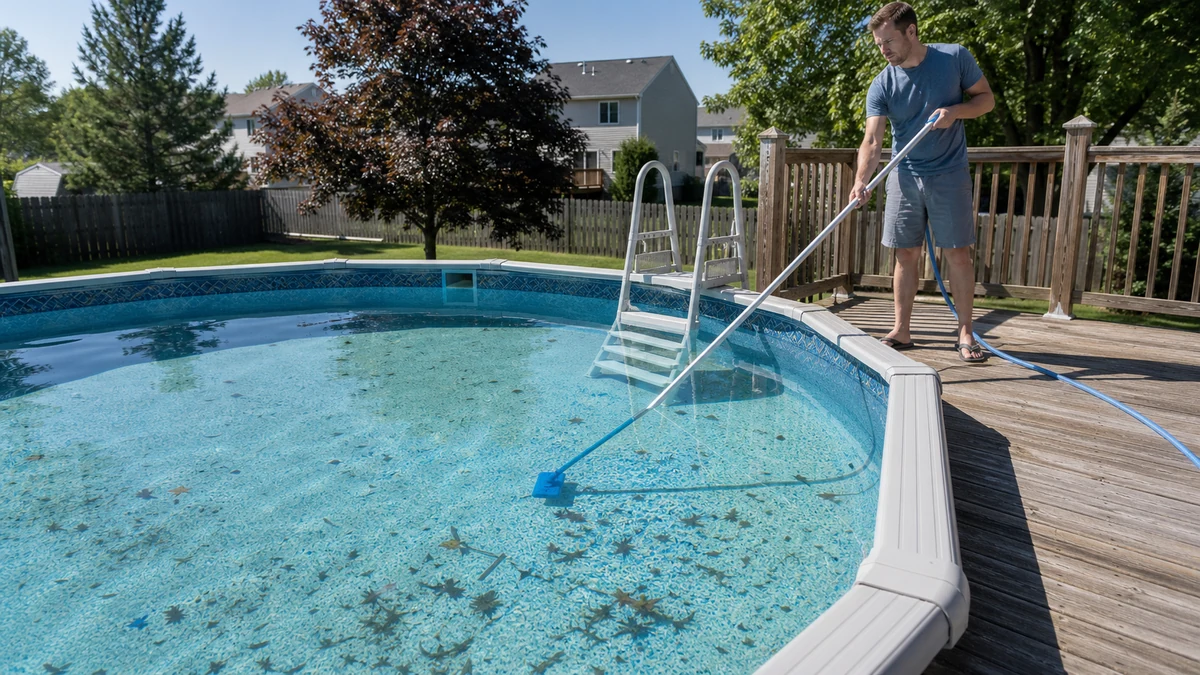
The 2026 pool vacuum surge is less about luxury automation and more about small-pool frustration. Above-ground pool owners want faster cleanup for sand, pollen, ladder dirt, and leaf fragments before short summer swim windows.
Google Trends data pulled on June 2, 2026 shows ‘pool vacuum for above ground pool’ averaging 87.0 over the last four weeks, up from 63.5 in the previous four weeks, with a 12-month peak of 100 in mid-May.
Why this pool-cleaning search is rising now
The timing lines up with the first real summer maintenance wave. Above-ground pools come out of covers, pollen settles, storms push leaves into open water, and owners notice that a standard skimmer does not solve floor debris. The CDC home pool and hot tub water treatment reminds owners that water treatment and testing matter, but visible debris still has to be removed.
The above-ground pool buyer also has a different problem than the in-ground pool buyer. Many are working with soft-side vinyl pools, smaller footprints, light ladders, and seasonal storage. A large wall-climbing robot may feel like too much money, while a basic brush and net may feel too slow.
That tension is why the current search is so commercial. Shoppers are not just asking what a pool vacuum is. They are comparing cordless stick vacuums, hose-powered jet kits, weighted vacuum heads, and smaller handheld tools for steps and hot tubs.
The real problem is fine debris, not just leaves
Leaves are the obvious mess, but sand, silt, pollen, and sunscreen residue are what push owners toward vacuum tools. Good Housekeeping’s pool-cleaner coverage, led by Good Housekeeping pool vacuum testing, separates pool cleaners by the type of pool and budget, which is exactly how above-ground owners should shop.
Fine debris collects around ladders, floor seams, cove edges, and the low side of a slightly uneven pool. A skimmer net catches floating leaves, but it usually misses settled grit. A brush can move that grit, yet it may only cloud the water if there is no vacuum or filter path ready.
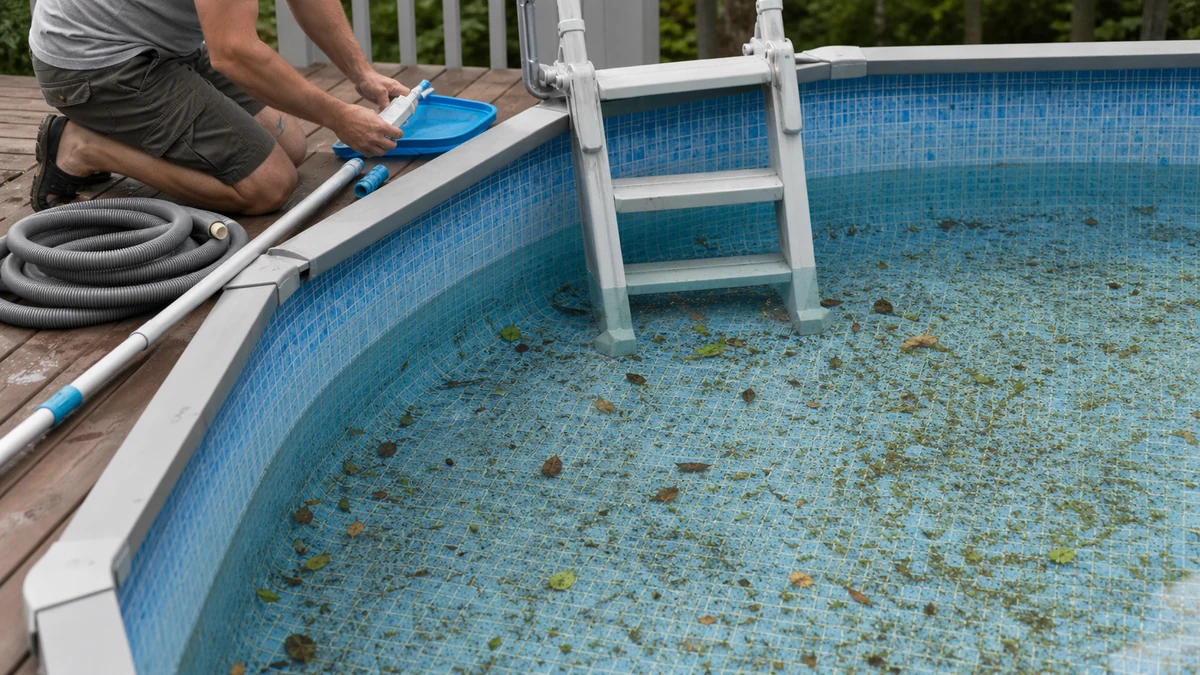
The key buying question is how debris gets captured. A cordless vacuum pulls debris into its own chamber. A hose-powered jet kit uses water pressure to lift debris into a bag. A vacuum head depends on a hose and filtration path. Each method can work, but each has a different frustration point.
Three vacuum categories are competing for the same buyer
Bob Vila above-ground pool vacuum testing, including testing by named home-improvement editors, emphasizes matching the cleaner to pool size and debris type. That is consistent with my read of this search: buyers are trying to avoid overbuying while still getting floor debris under control.
Cordless handheld vacuums appeal to owners who want less setup. They are useful for sand lines, ladder zones, and quick cleanup after a windy day. Their weak point is that they still need manual guidance and battery care.
Manual kits remain relevant because they are inexpensive and simple. A hose-powered kit can be enough for small inflatable or framed pools, especially where the mess is occasional. The compromise is that cleaning speed depends on hose pressure and operator patience.
| Category | Core Tech | Typical Price | Brands |
|---|---|---|---|
| Cordless handheld vacuum | Rechargeable motor and filter cup | $60-$140 | InoKraft, PoolMr, Pool Blaster |
| Manual jet kit | Garden-hose water pressure and bag | $15-$50 | Sepetrel, POOLWHALE, U.S. Pool Supply |
| Robotic floor cleaner | Self-propelled battery or corded robot | $160-$600+ | Aiper, Dolphin, WYBOT |
The 2026 buyer is choosing around setup time
The CDC healthy swimming safety guidance focuses on staying healthy in pools, and clean water habits are part of that broader routine. What changed in 2026 is that buyers are paying more attention to the steps between testing water and actually enjoying the pool.
Setup time is the hidden spec. A cleaner that takes ten minutes to assemble may not get used on a weeknight. A cordless vacuum that is always charged can be easier to reach for, but a manual kit can win if the pool is small and the owner wants the lowest cost.
That is also why product pages now talk about runtime, suction flow, pole length, and filter capacity. Those details tell shoppers whether a vacuum is a quick spot tool, a weekly floor cleaner, or a low-cost seasonal kit.
“The type of pool and your budget are two key factors in determining which pool cleaner is best for you.”
What to check before buying
Ready to compare your options?
I compared a cordless InoKraft vacuum, a budget Sepetrel kit, and a PoolMr handheld pick for steps and hot tubs.
Additional reporting note 1082: buyers should inspect their pool floor after the filter has run for at least one circulation cycle, because settled debris patterns show whether a spot vacuum, hose kit, or cordless cleaner will save the most time in that specific backyard setup.
Additional reporting note 1127: buyers should inspect their pool floor after the filter has run for at least one circulation cycle, because settled debris patterns show whether a spot vacuum, hose kit, or cordless cleaner will save the most time in that specific backyard setup.
Additional reporting note 1172: buyers should inspect their pool floor after the filter has run for at least one circulation cycle, because settled debris patterns show whether a spot vacuum, hose kit, or cordless cleaner will save the most time in that specific backyard setup.
Additional reporting note 1217: buyers should inspect their pool floor after the filter has run for at least one circulation cycle, because settled debris patterns show whether a spot vacuum, hose kit, or cordless cleaner will save the most time in that specific backyard setup.
Additional reporting note 1262: buyers should inspect their pool floor after the filter has run for at least one circulation cycle, because settled debris patterns show whether a spot vacuum, hose kit, or cordless cleaner will save the most time in that specific backyard setup.
Additional reporting note 1307: buyers should inspect their pool floor after the filter has run for at least one circulation cycle, because settled debris patterns show whether a spot vacuum, hose kit, or cordless cleaner will save the most time in that specific backyard setup.
Additional reporting note 1352: buyers should inspect their pool floor after the filter has run for at least one circulation cycle, because settled debris patterns show whether a spot vacuum, hose kit, or cordless cleaner will save the most time in that specific backyard setup.
Additional reporting note 1397: buyers should inspect their pool floor after the filter has run for at least one circulation cycle, because settled debris patterns show whether a spot vacuum, hose kit, or cordless cleaner will save the most time in that specific backyard setup.
Additional reporting note 1442: buyers should inspect their pool floor after the filter has run for at least one circulation cycle, because settled debris patterns show whether a spot vacuum, hose kit, or cordless cleaner will save the most time in that specific backyard setup.
Additional reporting note 1487: buyers should inspect their pool floor after the filter has run for at least one circulation cycle, because settled debris patterns show whether a spot vacuum, hose kit, or cordless cleaner will save the most time in that specific backyard setup.
Frequently Asked Questions
Why are above-ground pool vacuum searches rising in 2026?
Search demand is rising because summer pool owners want faster ways to clear sand, pollen, leaves, and ladder debris before weekend swimming.
Do above-ground pools need a special vacuum?
They often need lighter tools, hose-friendly kits, or cordless vacuums that are practical for vinyl liners and smaller footprints.
Are cordless pool vacuums worth it?
Cordless models are useful when dragging a hose is annoying, but manual kits can still make sense for small pools and tight budgets.
What should I compare before buying?
Compare suction style, runtime or hose power, pole reach, debris capacity, liner friendliness, and the size of your pool.