

Disclosure: As an Amazon Associate, I earn from qualifying purchases. – Maya Bennett
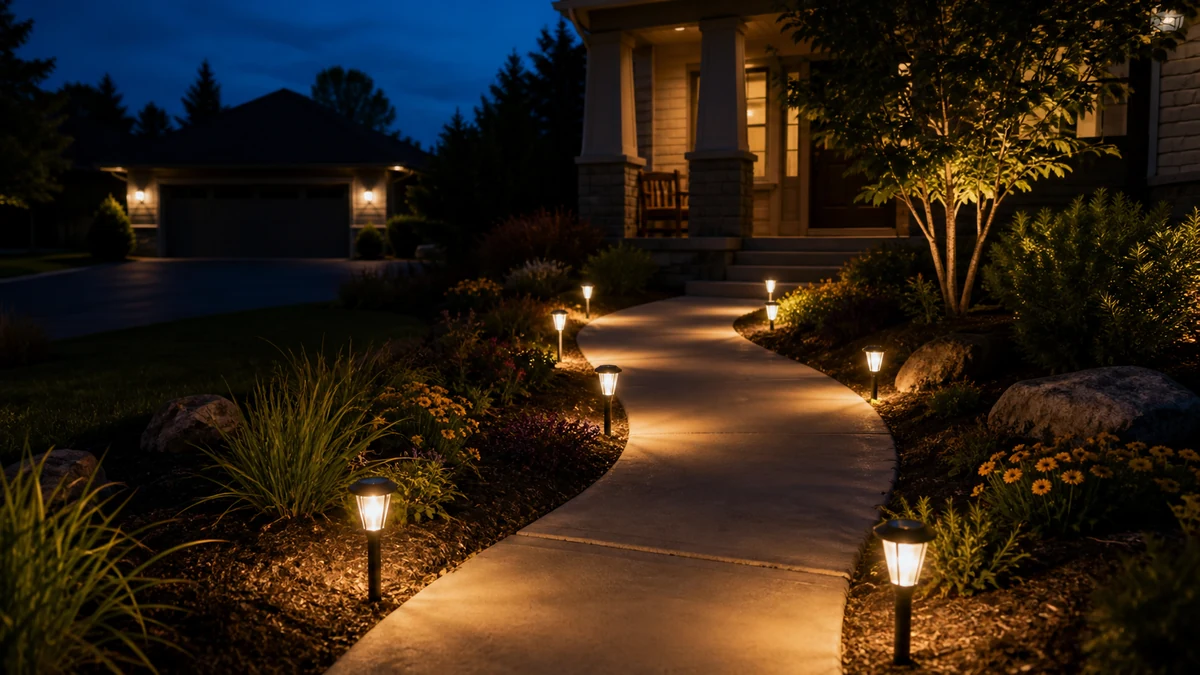
Solar pathway lights are surging because they give homeowners a weekend curb-appeal upgrade without wiring. The best buys in 2026 are not just the cheapest stake packs; shoppers are comparing pack count, lens material, brightness, waterproof claims, and whether the lights are meant to guide a walkway or decorate a garden edge.
Solar pathway lights have become a high-intent outdoor upgrade in summer 2026 because they solve three problems at once: dark walkways, under-lit driveway edges, and the cost barrier of wired landscape lighting.
I started watching the category after Amazon keyword trackers showed positive weekly movement for landscape path lights and after current testing guides from Bob Vila solar path light testing, The Spruce outdoor solar light guide, and Good Housekeeping solar light testing kept emphasizing the same buyer question: how much practical light can a no-wire solar stake actually provide?
Why no-wire path lighting is having a moment
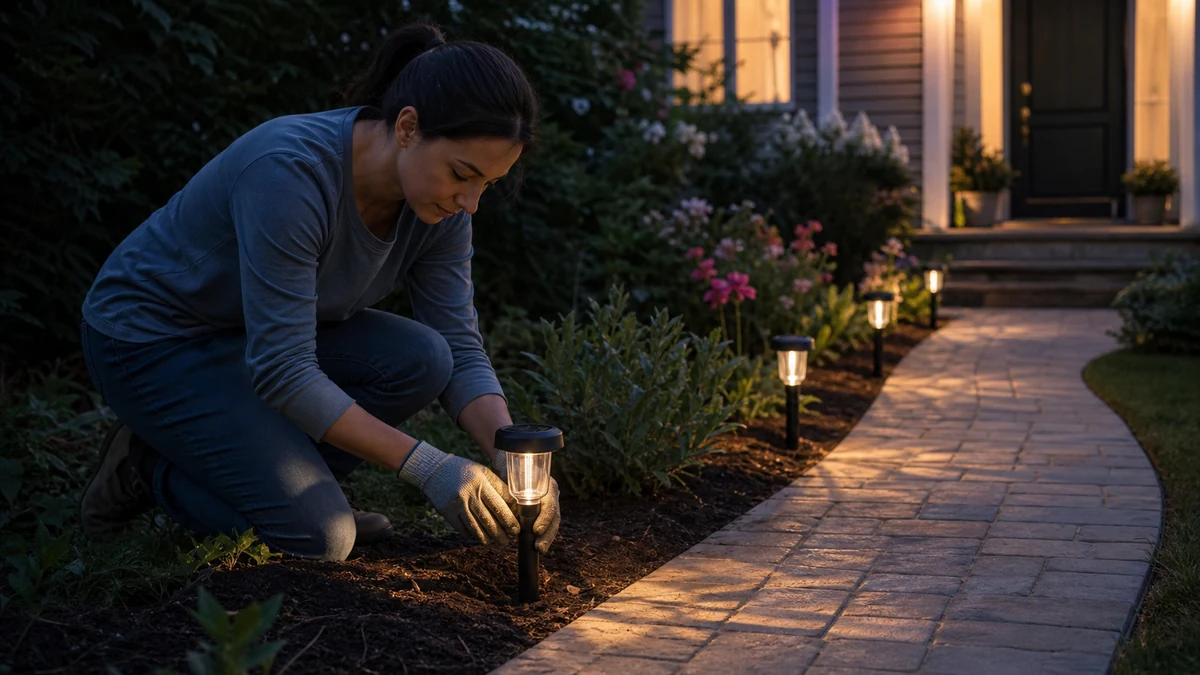
The first reason is friction. Traditional landscape lighting can look polished, but it usually means cable planning, a transformer, buried wire, and careful fixture spacing. Solar path lights promise a simpler job: push the stakes into soil, let the panels charge, and get an instant nighttime outline of the route.
The second reason is that outdoor living spaces are being used later into the evening. A patio can feel finished during the day and still look unfinished when guests are leaving after sunset. Solar lights make the edge of a walkway, garden bed, or driveway easier to read without making the whole yard look like a security-light zone.
By the numbers: what shoppers are comparing
The numbers hide an important tradeoff. A 16-pack can make a long walkway look complete, but a smaller 8-pack with glass lenses can look more finished close to the front entry. Energy.gov notes that outdoor lighting can use photocells, timers, and solar cells for control and efficiency, which is why Energy.gov landscape lighting guidance remains useful background even when the specific products are simple stake lights.
Brightness is the first expectation gap
The most common disappointment is not installation; it is brightness. Product photos are often taken in controlled darkness, while a real yard has porch lights, streetlights, shrubs, mulch, uneven soil, and competing shadows. A decorative light can look excellent around a garden bed and still be too subtle for a driveway edge where people need to see the boundary clearly.
That is why I separate solar path lights into guide lights and visibility lights. Guide lights create a rhythm along the route. Visibility lights are brighter and often taller, but they can look less delicate near flower beds. Buyers who expect a solar stake to perform like a hardwired low-voltage fixture should recalibrate before ordering.
The category is splitting into four jobs
The path-light aisle now mixes decorative glass designs, bulk budget packs, brighter IP-rated walkway sets, and traditional wired systems. Treating all of them as the same product is where bad purchases start. The right category depends on whether the problem is curb appeal, long-run coverage, stronger route marking, or a permanent lighting plan.
| Category | Core Technology | Price Range | Representative Brands |
|---|---|---|---|
| Decorative glass path lights | Solar panel, rechargeable cell, glass lens, warm or color modes | $35-$70 | BEAU JARDIN, Mancra, Maggift |
| Budget stake-light packs | Plastic or thin stainless stakes, small top solar panel | $20-$45 | GIGALUMI, Solpex, Aootek |
| Brighter walkway sets | Larger LED head, higher waterproof claim, taller stake | $35-$80 | BITPOTT, Linkind, URAGO |
| Low-voltage wired systems | Transformer, cable, wired fixtures, timer controls | $100-$400+ | Hampton Bay, Volt, Kichler |
⇆ swipe horizontally on mobile
The expert note buyers should not skip
Amber Freda, a landscape designer quoted in Bob Vila coverage, frames solar path lighting as a practical safety and visibility upgrade rather than a purely decorative purchase. That distinction matters because a decorative border and a walkway used by guests after dark need different spacing and brightness expectations.
“Solar pathway lights are a cost-effective and low-maintenance way to improve safety and visibility along walkways and driveways.“
What to check before buying
The smartest purchase starts with the route. Count the feet of walkway, note where shade falls in the afternoon, and decide whether the lights are for looks, safety, or both. A shaded north-side walk may need stronger panels or fewer expectations than an open front path.
What I am watching next
The next shift is likely better battery transparency. Many listings mention runtime, but fewer explain battery type, replacement paths, or how performance changes after a cloudy week. I am also watching whether shoppers keep favoring bulk packs or move toward fewer, better-looking metal and glass fixtures near the front entry.
Another trend is design consistency. Homeowners who already upgraded porch lights, planters, house numbers, and door hardware are less willing to accept path lights that look disposable in daylight. That is helping metal, glass, and warmer-output sets compete with very cheap multi-packs even when the cheaper pack covers more feet of walkway.
Runtime claims also deserve more attention. A listing that promises all-night lighting may be describing ideal summer sun, not a shaded side yard after two cloudy afternoons. For a buyer, the practical test is whether the lights are still useful during the specific hours people arrive home, walk the dog, or cross the driveway.
There is also a safety dimension that does not require alarmist framing. Small guide lights can make an edge, step, or curve easier to notice, especially for guests who do not know the property. They are not a code-compliant stair light, but they can reduce the visual uncertainty that makes a dark path feel unfinished.
For renters, the no-wire angle is especially important. A solar stake set can be moved, packed, and reinstalled without landlord approval or permanent changes. That makes the category more flexible than wired landscape kits, even though wired fixtures still win for long-term brightness and control.
The buying decision should stay grounded in the yard, not the product photo. A small cottage path, a suburban driveway edge, and a backyard border need different spacing and output. The right solar pathway lights are the set that matches that route after dark, not the set with the most dramatic listing image.
That is why I expect the category to keep splitting by use case. The buyer who wants a dressed-up front walk is not shopping the same way as the buyer trying to mark a long fence line. Retail listings may group both under solar path lights, but the actual purchase logic is becoming more specific.
The practical takeaway is simple: walk the route at night before ordering. Count the dark decision points first, then decide whether the space needs decorative rhythm, stronger edge visibility, or a low-cost pack that can cover the full distance.
Ready to compare your options?
I compared three solar pathway light sets for decorative front walks, budget long-run coverage, and brighter driveway-edge visibility.
Frequently Asked Questions
Why are solar pathway lights trending in 2026? +
They answer a practical summer problem: buyers want a safer-looking walkway or garden edge without paying for trenching, wiring, transformers, or a new outdoor circuit.
Are solar path lights bright enough for safety? +
They can mark edges, steps, and routes, but most are guide lights rather than floodlights. Buyers should compare brightness claims, spacing, and whether the goal is decoration or actual route visibility.
How many solar path lights do I need? +
A short front walk may need eight lights. Longer borders often need twelve to sixteen because spacing gaps look darker at night than they appear in daytime product photos.
Do solar lights work in cloudy weather? +
Most still charge in partial sun, but runtime can drop after cloudy days. Placement, panel cleanliness, and battery quality matter as much as the pack count.