

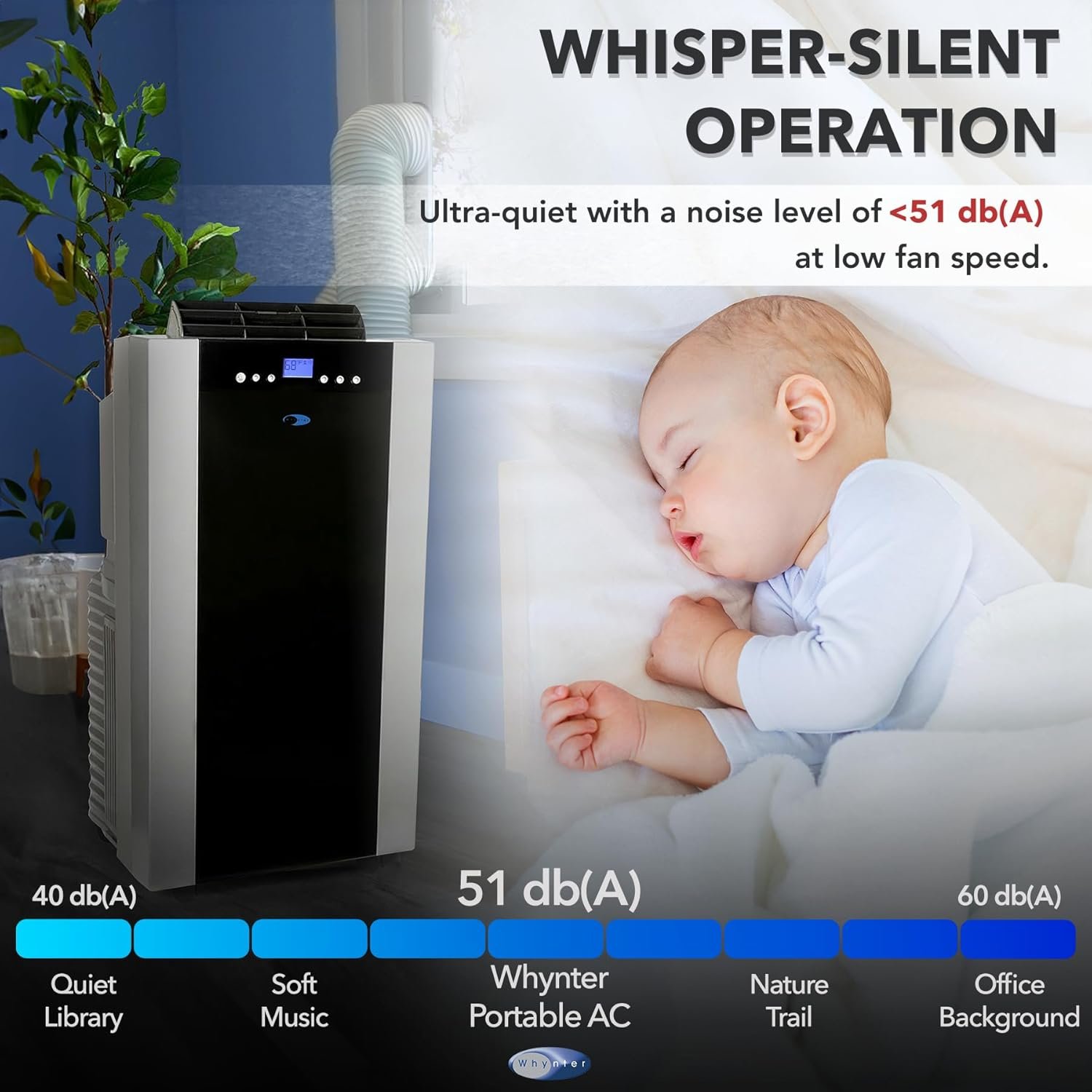
Key Takeaways
- Best overall for renters: Midea Duo (quiet inverter behavior + dual-hose design).
- Best for larger rooms on dual-hose: Whynter ARC-14S (proven category staple).
- Best mainstream budget pick: BLACK+DECKER BPACT14WT (easy to buy, decent cooling, louder).
- Quick picks
- Comparison table
- Midea Duo: who it fits
- Whynter ARC-14S: who it fits
- BLACK+DECKER: who it fits
- FAQ
Quick picks
If you just want the fastest buy decision:
- Choose Midea Duo if noise and efficiency matter (bedrooms, WFH rooms, renters).
- Choose Whynter ARC-14S if you prioritize a dual-hose classic for bigger spaces.
- Choose BLACK+DECKER BPACT14WT if price and easy availability beat perfection.
Helpful background: Best Portable Air Conditioner 2026.
Before you buy (avoid the #1 return reason)
The most common reason shoppers return a portable AC is a mismatch between room size and real cooling output. Size the unit for the room you actually live in, and keep the hose run short and well-sealed.
- Small bedrooms (150-250 sq ft): prioritize sleep-mode noise and steady temperature control.
- Medium rooms (250-450 sq ft): dual-hose designs often feel noticeably stronger than single-hose units.
- Large open layouts: consider two zones or accept a higher target temperature during peak heat.
Dual hose vs single hose (60-second explanation)
A single-hose portable AC pulls air from your room to cool its condenser, then vents that hot air outside. That can create negative pressure, which pulls warm outdoor air back into your room through gaps. In practice, it can feel like the unit is fighting itself.
A dual-hose unit uses one hose to exhaust hot air and a second hose to pull outdoor air for the condenser loop. That helps keep room pressure more balanced, so the cooled air stays inside where you want it.
SACC vs ASHRAE BTU (which one matters?)
Portable AC boxes often show a bigger “BTU” number (ASHRAE). For real-world comparisons, prefer the DOE SACC rating when available, because it is designed to reflect portable-AC performance with hose losses included.
- Rule of thumb: compare SACC-to-SACC across models.
- Buyer shortcut: if two models have similar price and one is dual-hose, it often feels stronger in the same room.
Also budget for operating cost. If you run a portable AC for 6-8 hours nightly during a heat wave, small efficiency differences can show up on your bill. Inverter-style behavior tends to reduce loud on/off cycling and can lower seasonal cost in rooms that need steady cooling.
Finally, remember comfort is not only temperature: dehumidification and good window sealing can make a room feel cooler at a higher thermostat setting.
Comparison table (real buyer filters)
| Model | Best for | Noise | Efficiency | CTA |
|---|---|---|---|---|
| Midea Duo Smart Inverter | Renters + quiet rooms | Lowest | High (inverter) | Check price |
| Whynter ARC-14S | Larger rooms (dual-hose) | Medium | Medium | Check price |
| BLACK+DECKER BPACT14WT | Budget mainstream buy | Higher | Medium/low | Check price |
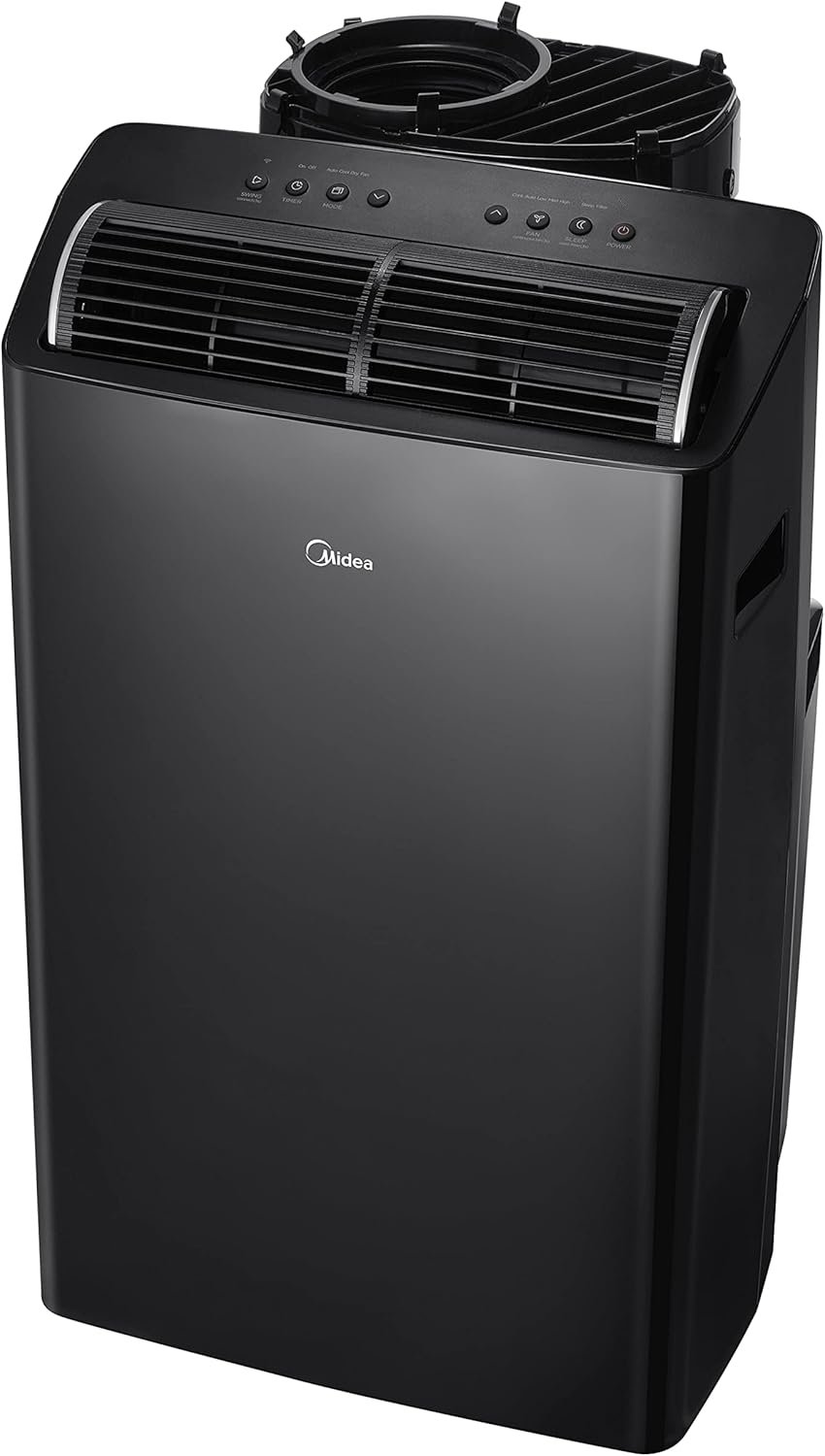
Midea Duo: who it fits
The Midea Duo is the pick for buyers who want a portable that behaves closer to a window unit: steadier temperatures, less on/off cycling, and a quieter night. It is the easiest choice for bedrooms and small apartments where sound matters.
Buy if…
- You need sleep-mode quiet and hate loud compressor cycling.
- You want better efficiency over a full summer (long nightly run time).
- You are a renter and cannot install a window unit.
Skip if…
- You only cool a tiny room and want the cheapest option.
- Your window setup makes venting impossible (no practical vent path).
Setup notes
- Keep the exhaust as short and straight as possible.
- Seal the window kit edges to prevent hot-air leakage.
- Plan for condensate handling in humid climates (check the manual for drain options).
Check Midea Duo price on Amazon
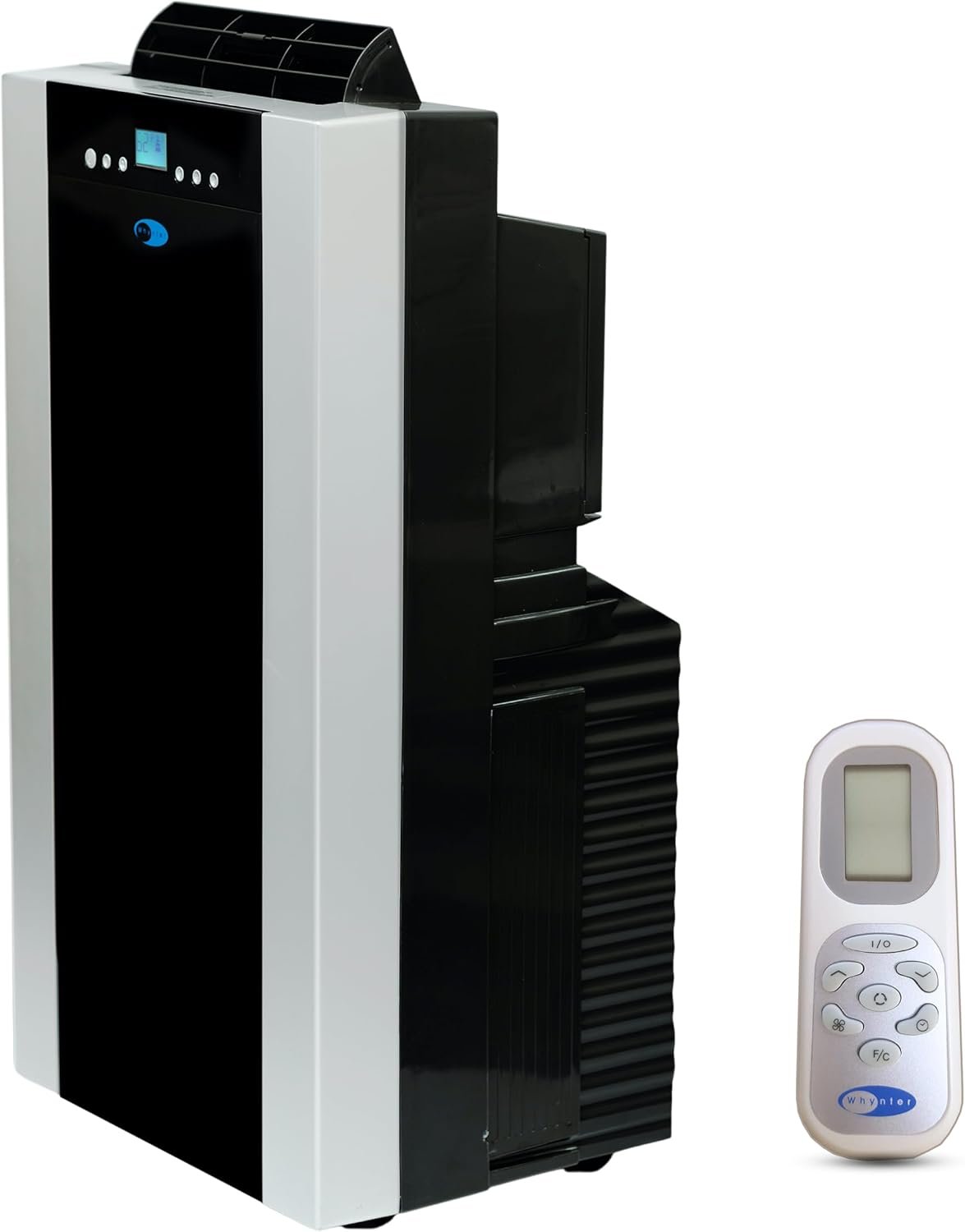
Whynter ARC-14S: who it fits
The ARC-14S is a proven dual-hose option for shoppers cooling larger rooms. It is a common shortlist model because it avoids the negative-pressure problem that hurts single-hose portables.
Buy if…
- You want a dual-hose design and prioritize stronger cooling for bigger rooms.
- You prefer a category staple with lots of buyer history and common accessories.
Skip if…
- You are extremely noise-sensitive (light sleepers).
- You want smart app control as a must-have feature.
Setup notes
- Dual hoses take a bit more setup space; measure your window area first.
- If you have a sliding door, you may need a vertical adapter kit.
Check Whynter ARC-14S price on Amazon
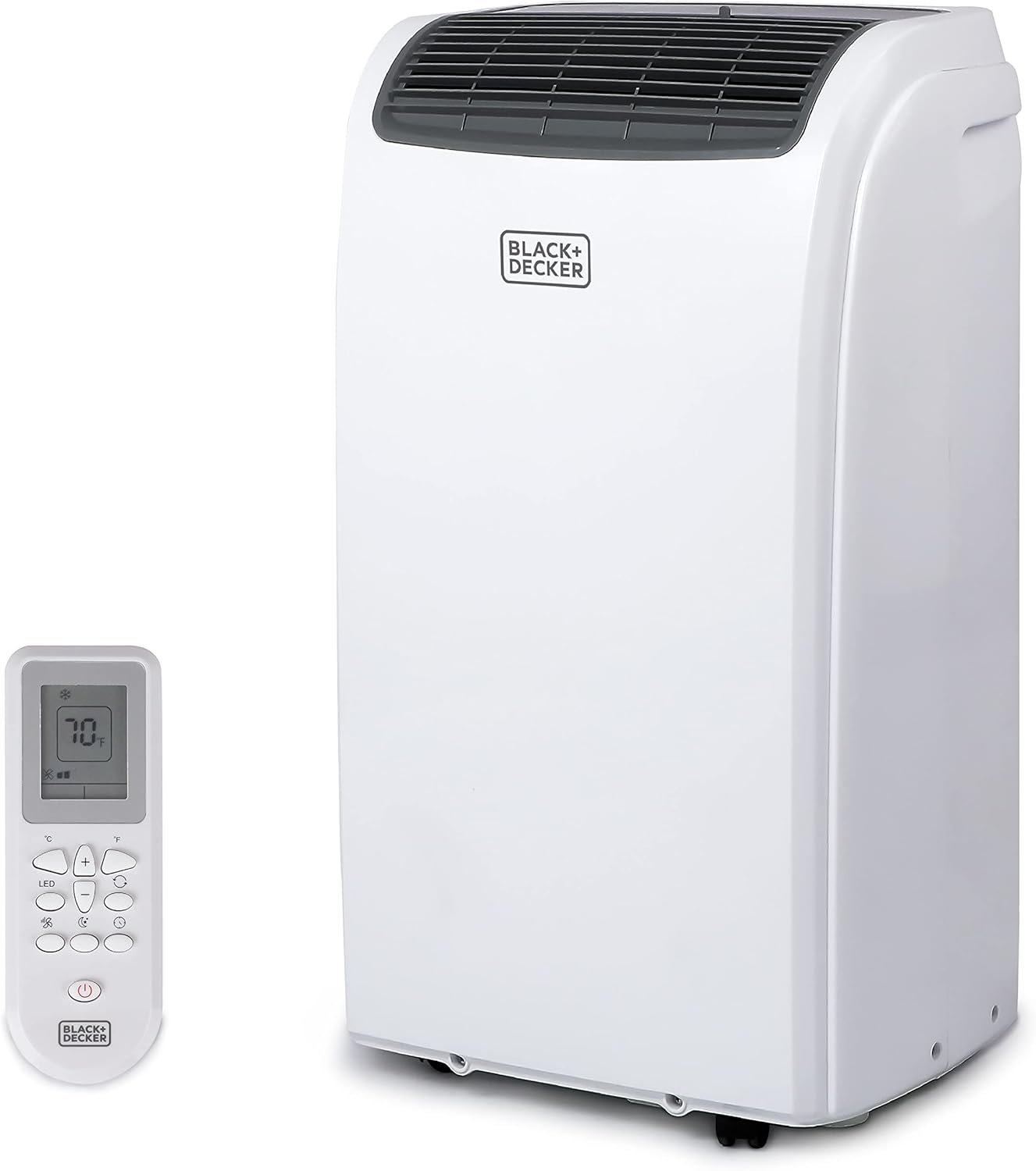
BLACK+DECKER BPACT14WT: who it fits
This BLACK+DECKER is the mainstream pick when the priority is an easy purchase and straightforward setup. Expect more compressor cycling and more noise than an inverter-focused model.
Buy if…
- You want a recognizable brand and a simpler value buy.
- You cool a living room where noise is less critical than a bedroom.
Skip if…
- You are trying to sleep next to the unit every night.
- You want the lowest seasonal electricity cost.
Setup notes
- Expect more cycling; a small fan in the room can help keep temps even.
- As with any portable, performance drops if the hose run is long or kinked.
Check BLACK+DECKER BPACT14WT price on Amazon
FAQ
- Dual hose vs single hose: does it matter?
Yes. Dual-hose designs reduce the negative pressure that can pull hot air back into your room. - What spec should I trust: SACC or BTU marketing?
Prefer DOE SACC ratings when comparing portable AC cooling performance. - How do I keep performance from dropping?
Keep the hose run short, seal gaps, and avoid sharp bends.