

EV home charger level 2 installation is the smartest upgrade for reliable, efficient electric vehicle charging at home—but most homeowners don’t realize the real costs, common challenges, or important steps involved. If you want the full picture before you buy or schedule an electrician, this guide delivers exactly that and more—straight from current research and installer data for 2025–2026.
Key Takeaways
- Expect to pay $1,200–$3,000 for a typical level 2 charger install, with costs much higher if you need major panel or wiring upgrades.
- Small changes in install complexity—like distance from the panel or outdoor mounting—can add hundreds or even thousands to your total bill.
- Few guides mention the detailed panel evaluation and permit process. Skipping these steps can delay your project or create safety risks.
- What Is Level 2 EV Home Charger Installation?
- Step-by-Step Guide: Level 2 EV Home Charger Installation
- Advanced Analysis & Common Pitfalls
- Conclusion
- FAQ
What Is Level 2 EV Home Charger Installation?
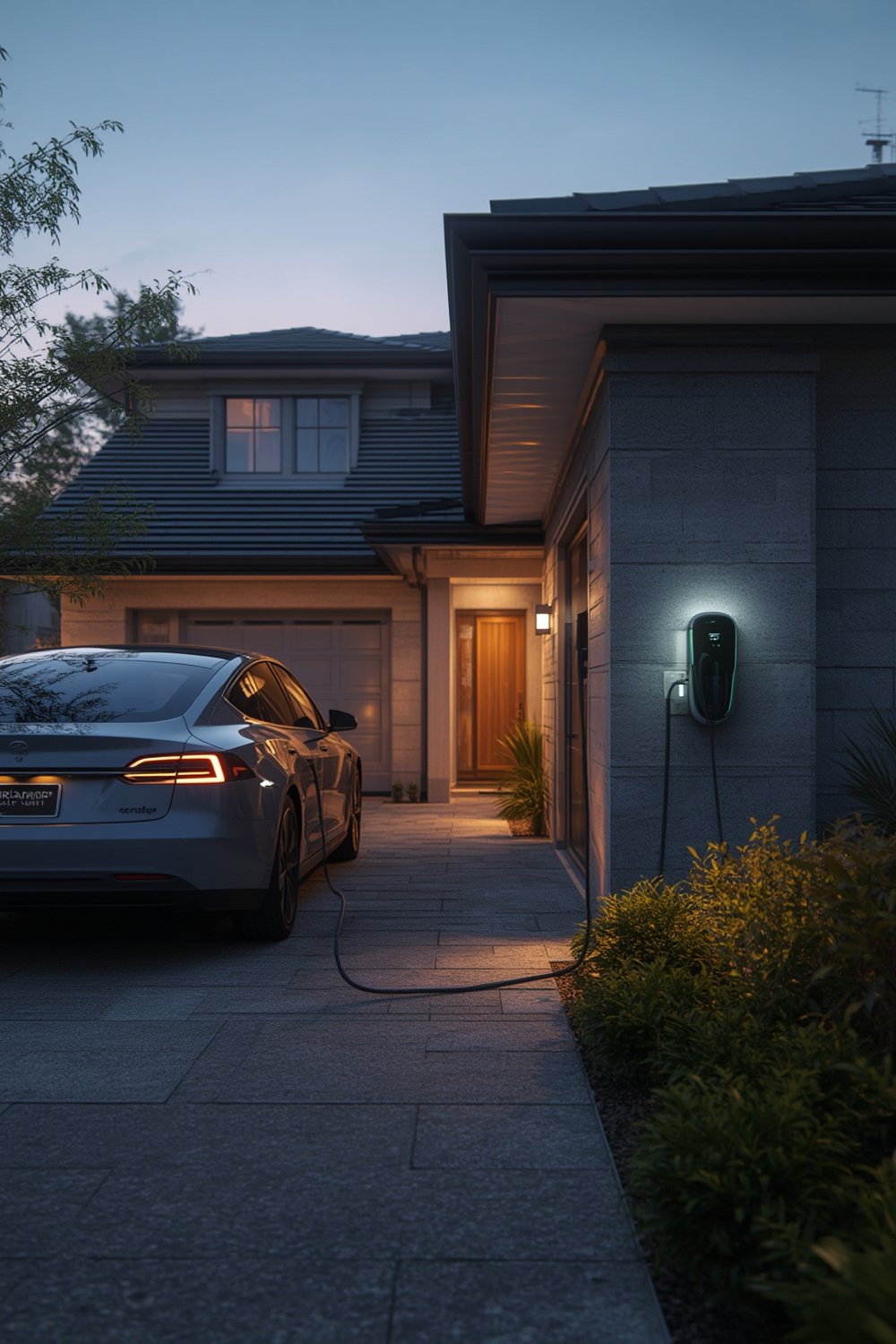
A level 2 EV home charger installation lets you charge your electric vehicle up to 10 times faster than a standard wall outlet—about 20 to 40 miles of range per hour, depending on your car and charger. While most new EVs include a basic charging cable, level 1 is painfully slow for daily use. Level 2 requires a dedicated 240 volt circuit, proper wiring, professional installation, and electrical permits for safe and legal operation.
- Hardware: Level 2 EV Chargers cost $400–$1,200 and include popular models from brands like ChargePoint, Tesla, and more.
- Installation: Electricians charge for labor, wiring, permits, and sometimes panel upgrades. Expect $75–$150 per hour in labor alone.
- Result: You get reliable, automatic home charging overnight—no more waiting at public charging stations.
Choosing proper installation matters for convenience, safety, and home resale value. This upgrade can also set you up for future energy efficiency upgrades like solar or a smart electrical panel upgrade.
Step-by-Step Guide: Level 2 EV Home Charger Installation
-
Evaluate Your Electrical Panel
Find your main service panel (usually in the garage, basement, or exterior). Check if it has:- Enough spare breaker spaces
- Sufficient amperage capacity (most chargers need a minimum of 40 amps spare capacity)
If your panel is full or undersized, a panel upgrade may be required—costing $1,000–$5,000 or more. For a step-by-step on future-proofing your panel, see this guide to smart electrical panels.
-
Choose a Level 2 EV Charger
Pick a model rated for at least 32A–50A output with smart features if possible. Compare Wi-Fi/app features and cable length based on your parking and vehicle. -
Get Multiple Bids from Licensed Electricians
Give your panel info and charger model to at least two or three local pros. Ask for quotes that include materials, labor, permits, and panel upgrades if needed. Be wary of installers who quote via phone without inspecting your panel and wiring. -
Secure Permits and Schedule Installation
Your electrician files permits with the city. Inspections are usually required before and after the job, adding $50–$300 to your total. Don’t skip this—unpermitted installs can cause major problems if you sell your home. -
Installation Day Process
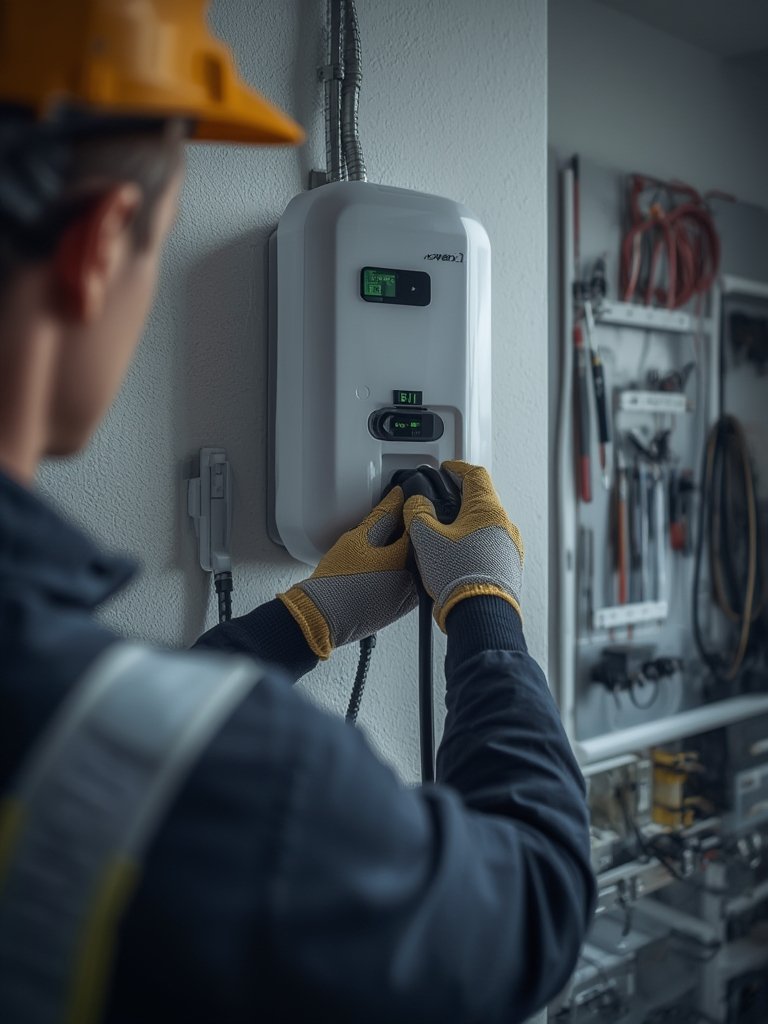
Standard steps include mounting your charger, running new wiring from the panel (surface-mount or in-wall), installing a dedicated breaker, testing voltage, and setting up the charger app. Outdoor installations require weatherproof equipment and conduit. -
Pass Inspection and Start Charging
Only use your charger after the final inspection passes. Register your hardware for warranty and troubleshoot any app or connectivity issues.
Level 2 installs often pair well with other upgrades. Homeowners looking to maximize whole-home efficiency typically combine charger installs with energy efficiency upgrades such as new insulation or smart thermostats—both of which can increase home value and comfort over time.
Advanced Analysis & Common Pitfalls
Despite being the standard for home EV charging, many owners face budget and installation surprises. Here’s what the research data and cost surveys reveal—plus gaps most articles never mention:
| Component | Typical Cost Range |
|---|---|
| Charger Hardware (Level 2) | $400–$1,200 |
| Electrician Labor + Wiring | $400–$1,500 |
| Permit & Inspection | $50–$300 |
| Panel Upgrade (if needed) | $500–$5,000+ |
| Trenching/Outdoor Run (optional) | $300–$2,000+ |
Source: simpleswitch.io cost analysis
Biggest Installation Pitfalls
- Panel upgrades and wiring complexity: If your panel is outdated or on the opposite end of your house, your project could double or triple in cost. For 2025–2026, national average full install lands at $2,100, but some California installs now top $4,000 (see full breakdown).
- Permit mistakes: Not filing correct permits can halt your job mid-project and trigger local code enforcement—even after your charger is installed. Always require a permit as part of your bid.
- Outdoor install surprises: Mounting the charger outside (vs. inside the garage) costs $200–$1,000 more for weatherproofing and longer wiring runs. Don’t forget to request outdoor-rated conduit and enclosures.
- Missing smart functionality: Many buyers pick the cheapest charger and regret skipping smart features like Wi-Fi, scheduling, or energy monitoring. Look for a model that integrates with your smart home or utility’s peak scheduling program. This creates synergy with options like energy efficiency upgrades or a heat pump water heater.
- Long-term maintenance ignored: Some brands offer minimal coverage or require annual checks for warranty support. Budget 5–10 years of lifespan, and check for repair/service availability in your area.
Other Common Issues
- Compatibility (charger-to-car and charger-to-app integration) is rarely discussed in installer estimates but is a common frustration according to owner forums.
- Long waits for both permitted installs and post-installation inspections—especially during surges in EV adoption or in busy metro regions.
- Rebates or tax credits can be confusing to claim or limited to certain brands, power levels, or installation types. For more detailed local information, check city/state resources or speak with your installer directly.
- Panel and infrastructure upgrades may become necessary in the future as homes layer in additional electric appliances (like mini split AC systems).
Conclusion
Getting a level 2 EV home charger installation at your house is a realistic way to simplify your daily life, avoid public charging hassle, and future-proof your property. But costs can easily spiral if you skip steps like a proper panel evaluation or fail to secure permits. Be proactive about getting multiple bids, understanding your electrical system, and asking for smart-enabled equipment. Preparing with the right knowledge—especially around panel upgrades and labor—saves you time, money, and lots of stress.
Ready to move forward? Gather your panel info, research your preferred charger, and consult a licensed pro for your own EV home charger level 2 installation upgrade. Want to maximize the total value of your project? Explore upgrades like energy efficiency improvements and smart panels as part of your plan.
FAQ
How much does a typical level 2 EV home charger installation cost?
Most installations cost between $1,200 and $3,000 before incentives, depending on panel upgrades, wiring length, and permit fees. Simple jobs in homes with a modern panel can be under $1,500, while complex installs—especially in high-cost regions—may reach $4,000 or more. (recharged.com)
Do I need a permit for EV charger installation at home?
Yes. Almost all jurisdictions require permits (and post-install inspection) for new 240V circuits and level 2 charger installs. Skipping permits is illegal and can impact home resale and insurance coverage.
Can I install a level 2 charger myself?
DIY installation is only recommended if you are a licensed electrician. Mistakes in circuit sizing, grounding, or permit filing can be dangerous and may void your charger’s warranty—always get bids from licensed, insured professionals.
How do I know if my panel needs an upgrade?
If your panel is older than 20 years, lacks ample breaker spaces, or your total service is less than 200A, you may need an upgrade. A professional assessment is required to confirm. Learn more about upgrading panels for future devices in our smart panel guide.
Can I get a rebate or tax credit for installation?
This varies by state and utility company. Many offer rebates for eligible hardware and installation, and the federal government has provided tax credits for some years. Always check with your utility or local government before purchase.