

Smart electrical panel upgrade is one of the most effective ways homeowners can future-proof their energy systems, cut headaches with service upgrades, and enable more affordable solar and EV projects. But before you commit, it’s crucial to understand costs, comparisons, and real-world installation issues—especially in 2024 as regulations and incentives shift.
Key Takeaways
- Smart electrical panel upgrade costs typically range from $3,000–$5,000 installed, with additional incentives possible.
- Span offers full-circuit app control and load management that can avoid expensive utility service upgrades and long delays.
- Gaps remain around long-term durability and repair, regional price swings, and the reliability of app functionality.
- What Is a Smart Electrical Panel Upgrade and Why Consider It?
- How to Upgrade to a Smart Electrical Panel: Step-by-Step
- Deep Dive: Pitfalls, Advanced Issues, and Real-World Problems
- Conclusion
- FAQ: Smart Electrical Panel Upgrade
What Is a Smart Electrical Panel Upgrade and Why Consider It?
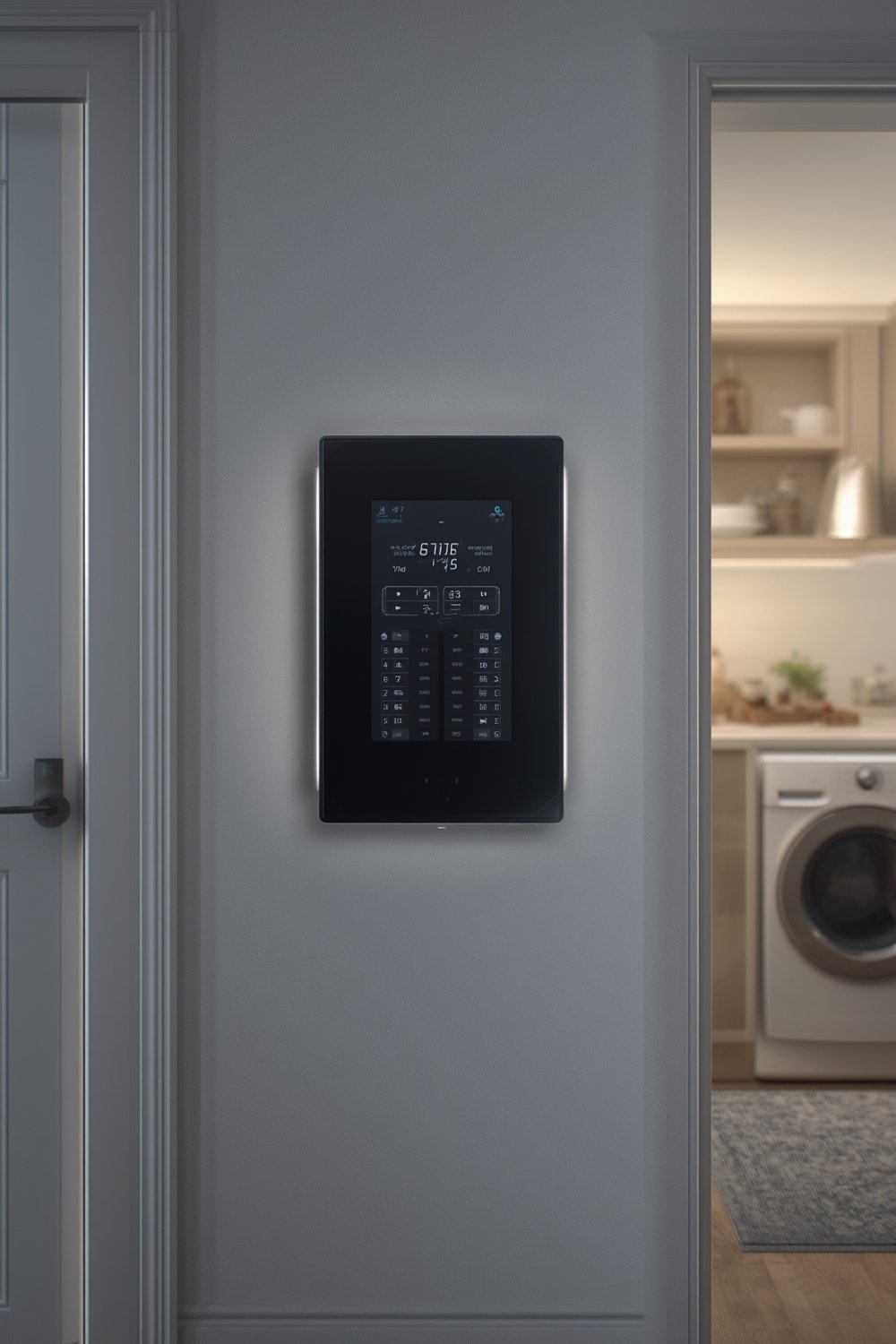
A smart electrical panel upgrade replaces your existing breaker panel with a code-compliant, advanced panel—like Span or Lumin—that enables app-based control, whole-home energy monitoring, and dynamic load management. Unlike traditional panels, these “smart” systems let you view and manage energy use for each circuit, automate priorities during outages, and support modern demands such as EV chargers and home solar—without always requiring a costly utility service upgrade.
Homeowners invest in smart electrical panels to solve multiple pain points:
- Reaching limit on available circuits with older panels (especially if adding an EV, solar, or heat pump).
- Wanting to avoid the expensive, slow process of utility service upgrades, which can add $2,000–$25,000 and up to six months of delays (source).
- Desire for granular energy use data, circuit prioritization during outages, and future-ready infrastructure.
Costs for a smart electrical panel upgrade in 2024 typically range from $3,000–$5,000 installed (source). Some projects, like a Span panel, can run higher—up to $10,000 in rare cases—but federal incentives such as the Energy Efficient Home Improvement Credit offer up to 30% off, capped at $600, if combined with broader efficiency work (source).
For other proven ways to save on home upgrades, see this energy efficiency upgrades guide.
How to Upgrade to a Smart Electrical Panel: Step-by-Step
- Assess your home’s electrical requirements. Do you plan to add EV charging, solar, or a heat pump soon? Old panels with less than 200 amps often run out of capacity for modern needs.
- Research your options. The Span panel smartens all circuits and works well for those wanting maximum whole-home control, but comes at a premium. Lumin and Leviton Smart Load Center are also contenders—compare app features and circuit compatibility carefully (source).
- Get accurate cost estimates. Depending on region, quotes for a smart electrical panel upgrade span from $3,000–$5,000, with the Northeast and major metro areas up to 40-60% higher due to local labor and code compliance. Permits typically cost $50-$200 (source).
- Verify incentives and rebates. Only some panels and projects qualify for the federal tax credit or utility-specific rebates. Combining panel install with solar or heat pump work increases eligibility (source).
- Hire a qualified, local electrician with smart panel experience. Check licensing and Span’s certified installer network for reliability.
- Schedule installation. Most smart panels, including Span, can be installed in 1–2 days and often use your existing wiring.
- Configure your app and set up circuit priorities, energy use monitoring, and notifications for outages or heavy usage.

If you’re also pursuing other home improvements, like garage epoxy flooring or planning bathroom remodeling, consider coordinating schedules to minimize home disruption and potentially reduce labor costs.
Explore this whole house water filter system guide for another way to boost your home’s modern comfort and safety.
Deep Dive: Pitfalls, Advanced Issues, and Real-World Problems
Switching to a smart electrical panel solves many problems, but you need to be aware of a few advanced issues and pitfalls that are not openly discussed by most brands or competing articles:
Long-term Durability & Repairability
- Unknown durability: As of 2024, there are no published, long-term case studies showing how Span panels hold up after 5–10 years of real-world use (source).
- If the panel hardware or software fails, it’s unclear how quickly parts, warranty repairs, or replacements are available, or what local electricians can do with proprietary components.
Regional Cost Variations
- Labor and permit costs can be 40–60% higher in the Northeast and coastal cities. Inspections may also have longer lead times due to stricter local codes (source).
- Utility rules may impact what kind of panel you can use—always confirm code compliance with your local authorities.
Utility Coordination & Delays
- Smart panel upgrades like Span are specifically designed to avoid costly utility service upgrades—which can add $2,000–$25,000 to your project and cause delays of up to 3–6 months (source).
- But, not every install is eligible—heavily overloaded homes may still need utility involvement. Always confirm with both your contractor and local utility before proceeding.
Comparison Table: Span vs Traditional & Lumin Smart Panels
| Feature | Span | Lumin | Traditional |
|---|---|---|---|
| App-based circuit control | Yes (every circuit) | Yes (up to 12 circuits) | No |
| Whole-home energy monitoring | Yes | Yes (limited) | No |
| Load management / avoidance of utility upgrade | Yes | Somewhat | No |
| Cost | $3,000–$10,000 | $1,500–$4,000 | $2,500–$4,500 |
| Durability track record | Unknown (2024+) | Unknown | High |
| Integration with solar/battery | Yes (designed for this) | Some models | Rare |
| Monitoring accuracy | Not independently verified | Not independently verified | N/A |
Other pitfalls and issues:
- Few documented negative Span reviews, but also little third-party testing of the app’s reliability, notification speed, or software support (source).
- No clear energy savings case studies are available in 2024. Most benefits are indirect: they enable solar/EV upgrades that can pay off—but the panel itself doesn’t cut your bill by itself.
- If using older appliances or wiring, be sure your electrician checks compatibility with smart panel load management features.
Interested in shielding hardwood from appliance upgrades? Check this non-slip rug guide for practical home improvement add-ons.

Conclusion
If you want a home that’s ready for solar, EVs, and new energy tech, a smart electrical panel upgrade can make the process less painful—both in costs and time. Expect a total installed cost of $3,000–$5,000 with Span or similar brands, plus the chance for a $600 federal tax credit if the work is paired with other efficiency upgrades. The most significant short-term benefit is avoiding utility service upgrade delays. However, be realistic about unproven durability, variable regional costs, and the need for experienced electricians.
Next, review your energy goals and confirm with a certified installer if a smart electrical panel upgrade fits your needs—especially if solar or EV is on the horizon.
Ready to commit? Request detailed quotes from smart panel installers and compare their experience, warranty, and app reviews. For more tips on future-proofing your home and cutting waste, explore our energy efficiency upgrades and whole house water filter system guide.
FAQ: Smart Electrical Panel Upgrade
Is a smart electrical panel worth it if I’m not adding solar or an EV?
It can still be worthwhile if you want detailed energy monitoring, outage management, or plan to add major appliances later. For basic electrical needs, a traditional upgrade may be enough.
What incentives are available for smart panel upgrades in 2024?
The main one is the federal Energy Efficient Home Improvement Credit—up to 30% of project costs (max $600) if bundled with other eligible work like solar or heat pumps.
How long does installation take?
Most installs take between 1 and 2 days, including permitting and inspections. Scheduling may take longer in areas with strict codes.
Are there any downsides?
Potential downsides are higher up-front cost than a basic panel, uncertain long-term repairability, and possible incompatibility if your home has very old wiring or unique service.
Does a smart panel reduce my energy bill?
By itself, no—but it enables you to monitor and adjust usage, and supports adding energy-saving tech like solar and battery backup, which can reduce costs over time.