
Disclosure: As an Amazon Associate, I earn from qualifying purchases. – Maya Bennett
YoLink Starter Kit Review (2026): Best Budget
YoLink review shoppers are usually trying to answer a more specific question than “is this gadget cool”. They want to know whether YoLink Starter Kit can catch a leak early enough, stop water quickly enough, and fit the installation reality of their home. This YoLink review starts with that practical lens instead of a spec-sheet-only lens.
Best for buyers who want a lower-cost shutoff path and truly DIY installation on an existing ball valve. In other words, this YoLink review is not really about novelty. It is about lowering the odds of a messy water-damage claim, a ruined finished room, or an expensive emergency plumber visit after hours.
YoLink review: best budget smart shutoff kit
My testing framework for water shutoff gear is simple. First, I look at the install path: inline valve, clamp-on actuator, or premium monitored valve. Second, I look at what happens when a buyer is away from home and wants confidence instead of another phone notification that arrives too late. Third, I look at the insurance angle, because that is what is pushing more homeowners into this category in 2026.
| Category | Verdict |
|---|---|
| Best fit | Best Budget |
| Approx. price checked | $279.99 |
| Rating snapshot | 4.6 from about 1100 ratings/reviews |
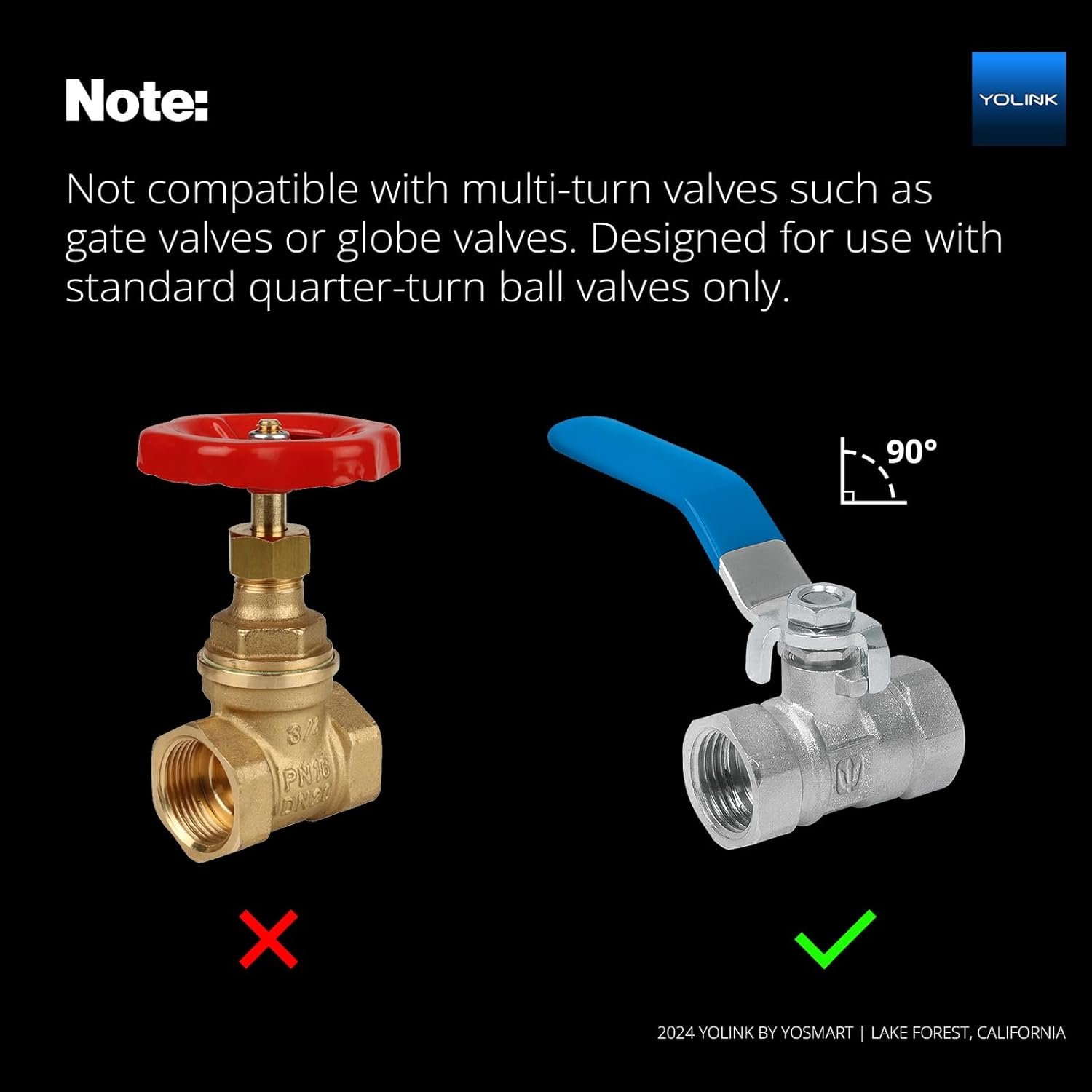
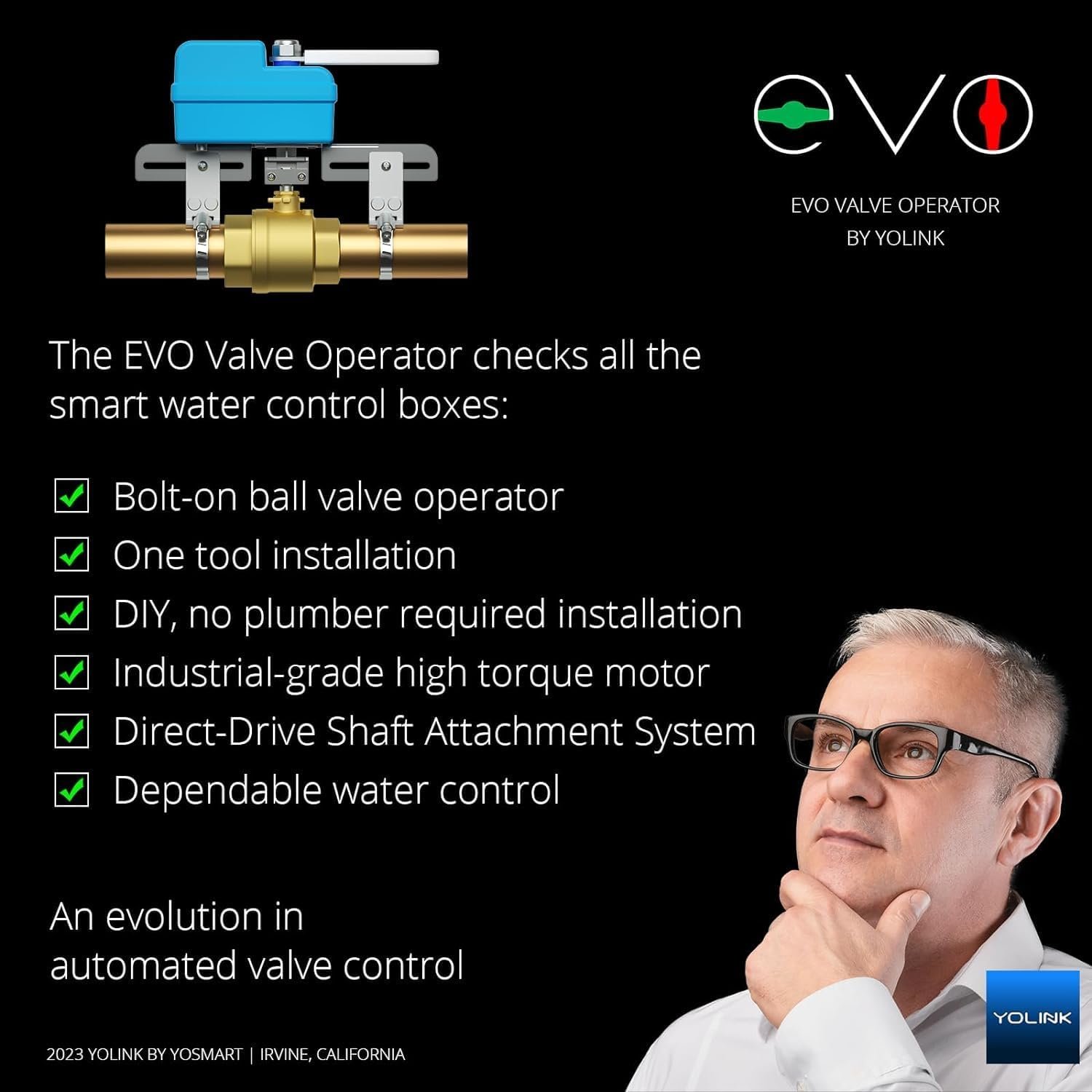
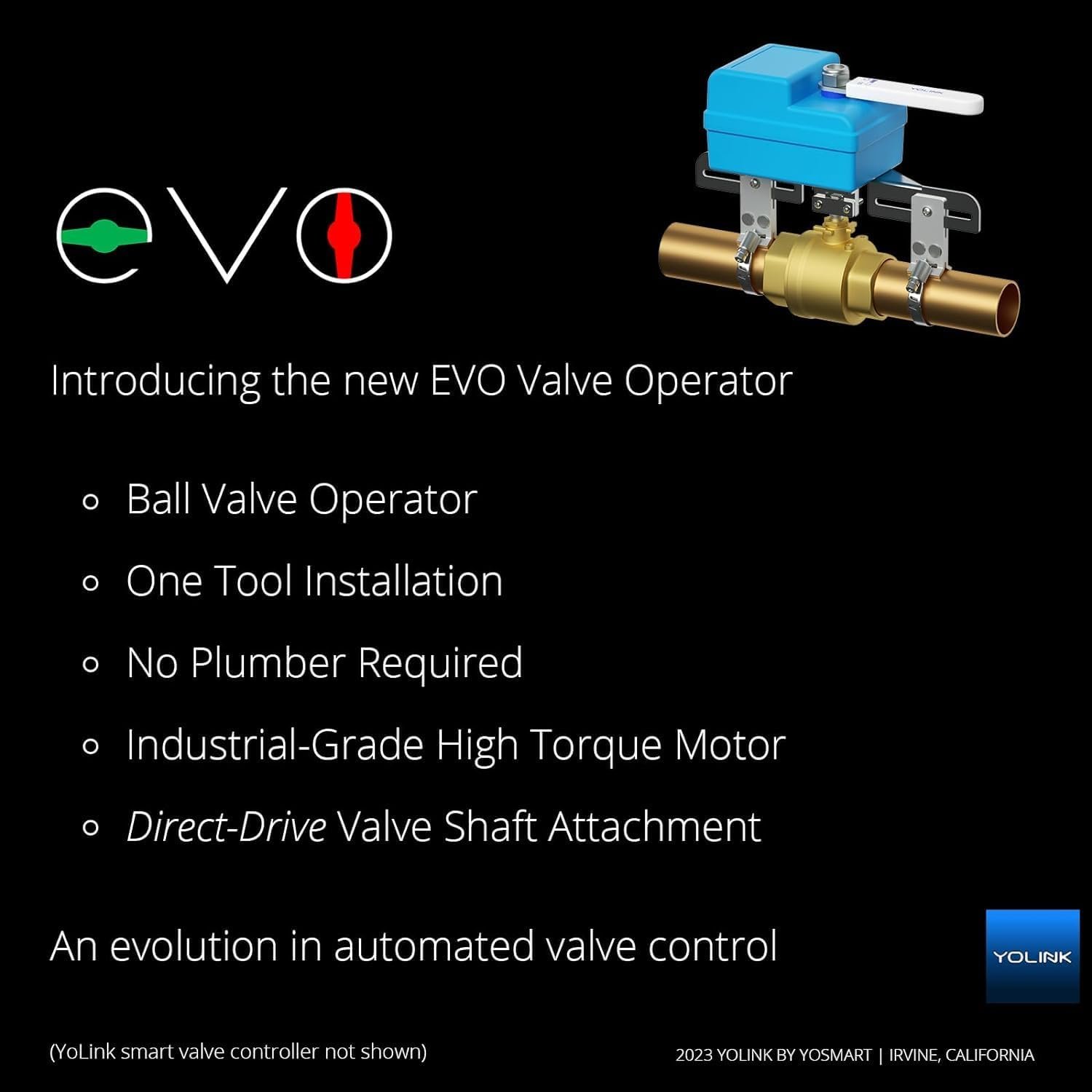
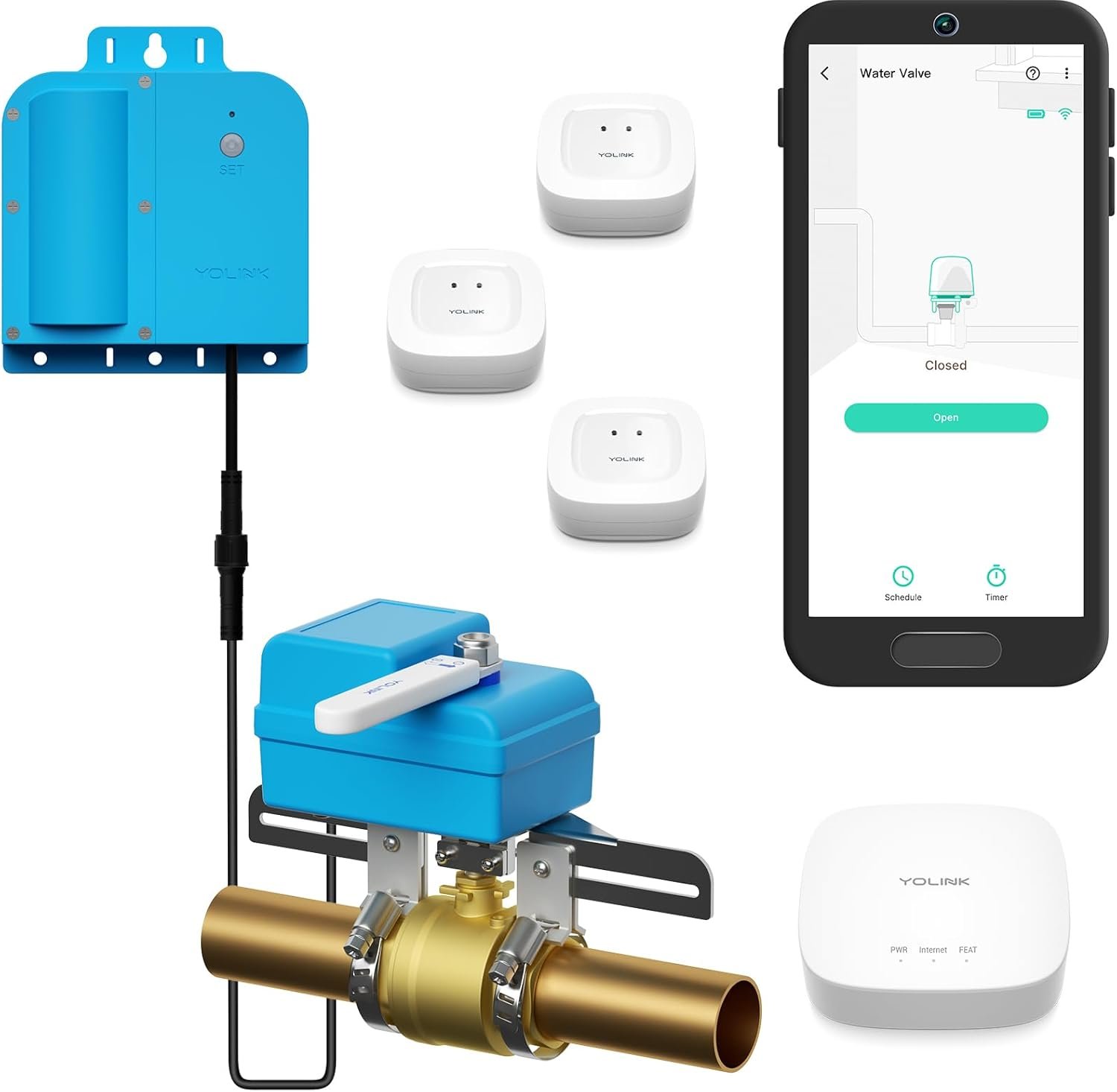
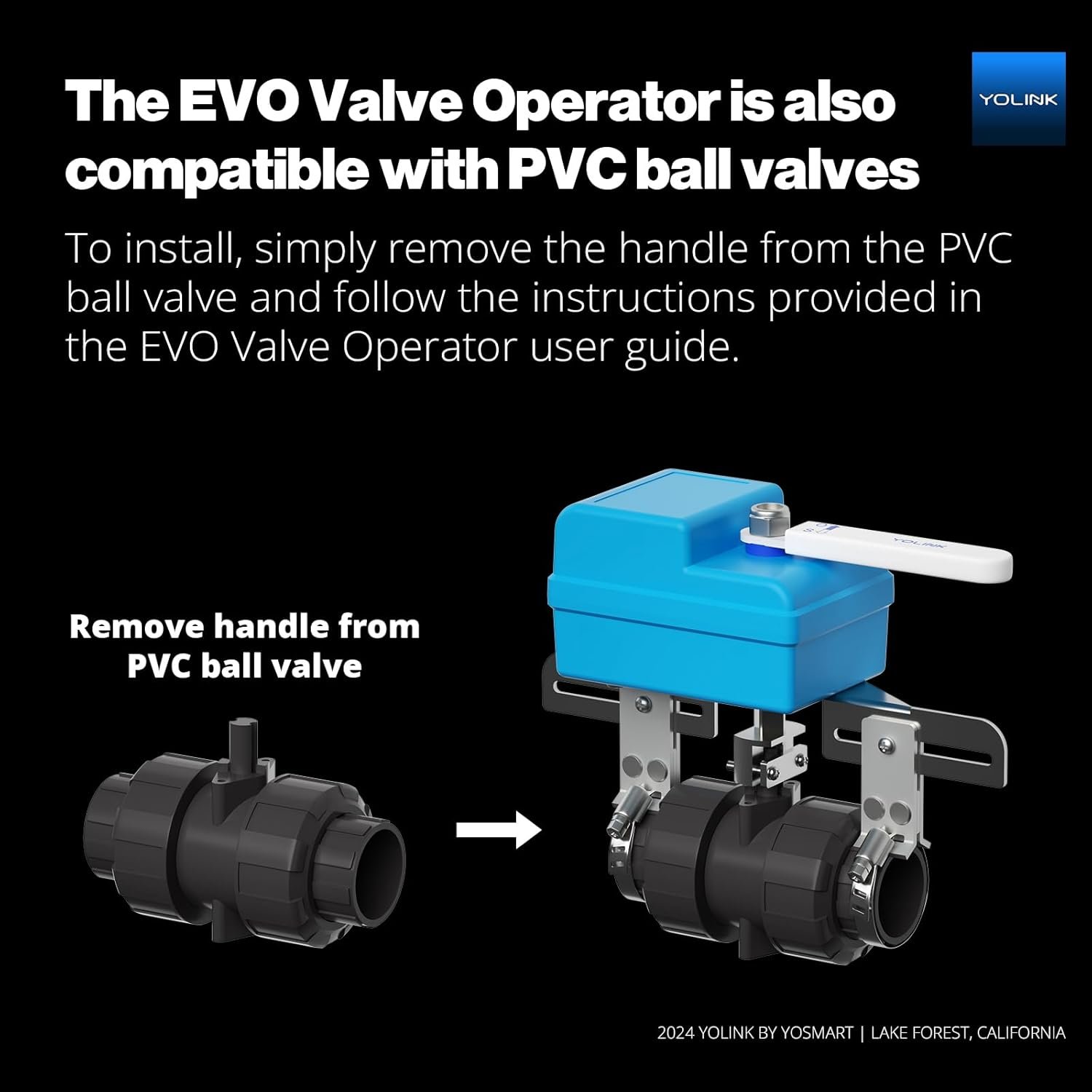
| Install path | Clamp-on actuator on existing valve |
How YoLink review fits real homes
YoLink Starter Kit belongs in a category where install style changes the entire ownership experience. Inline systems can be the cleanest long-term answer, but they ask more from the buyer on day one. Clamp-on systems are more approachable, but they still need thoughtful valve placement and leak-sensor coverage. That tradeoff matters more than flashy app screenshots.
The reason this category is trending is not fear marketing alone. Mercury and Nationwide are both part of the conversation because leak detection has moved into underwriting and discount discussions. That means a buyer now has to think about proof, approved-device lists, and whether the chosen setup actually matches the insurer’s wording.
Consumer Reports has emphasized the same practical point for years: when water is actively moving, speed matters more than another dashboard metric. In plain language, a system that can actually stop the flow is materially different from a sensor that only pings your phone while you are away from home.
In this YoLink review, the important job is to separate paper capability from lived ownership. I want to know whether the buyer gets one clean alert path, one believable shutoff story, and one install route they can live with after the excitement of unboxing disappears.
YoLink review pros and cons
Bob Vila and Reviewed both make the same buying point in different ways: leak hardware is only useful when the homeowner can actually install it, maintain it, and trust the alert path. That sounds obvious, but it is the easiest thing to miss when shoppers focus only on the most dramatic damage-prevention promise.
Wirecutter-style smart-home buying logic also applies here: the product that is easiest to live with often beats the product with the longest box-feature list. In water shutoff systems, setup friction, valve access, and alert confidence usually matter more than marketing language about AI.
Authority context: Bob Vila on water leak detectors, Consumer Reports on shutoff devices, and Reviewed on water leak detectors.
Insurance fit and claim-prevention context
One reason this category feels more urgent in 2026 is that buyers are comparing products against an underwriting reality, not just against gadget enthusiasm. A shutoff system that looks capable on a product page can still disappoint if the install record, approved-device positioning, or main-line access story is unclear.
In this YoLink review, that insurance fit question matters almost as much as the hardware itself. Buyers want to know whether the device gives them a stronger conversation with the insurer and a faster response if a hose, icemaker line, or appliance feed starts leaking while nobody is nearby.
Consumer Reports has consistently framed shutoff systems as materially different from alert-only devices for exactly that reason. If the line can close automatically, the damage curve changes. That does not guarantee zero risk, but it does change the homeowner’s odds in a way a phone notification alone cannot.
Mercury and Nationwide are useful signals here because they show how carrier language is pulling ordinary homeowners into the category. Even if a buyer’s own insurer uses different wording, the market is clearly moving toward more serious expectations around automatic mitigation.
Installation reality
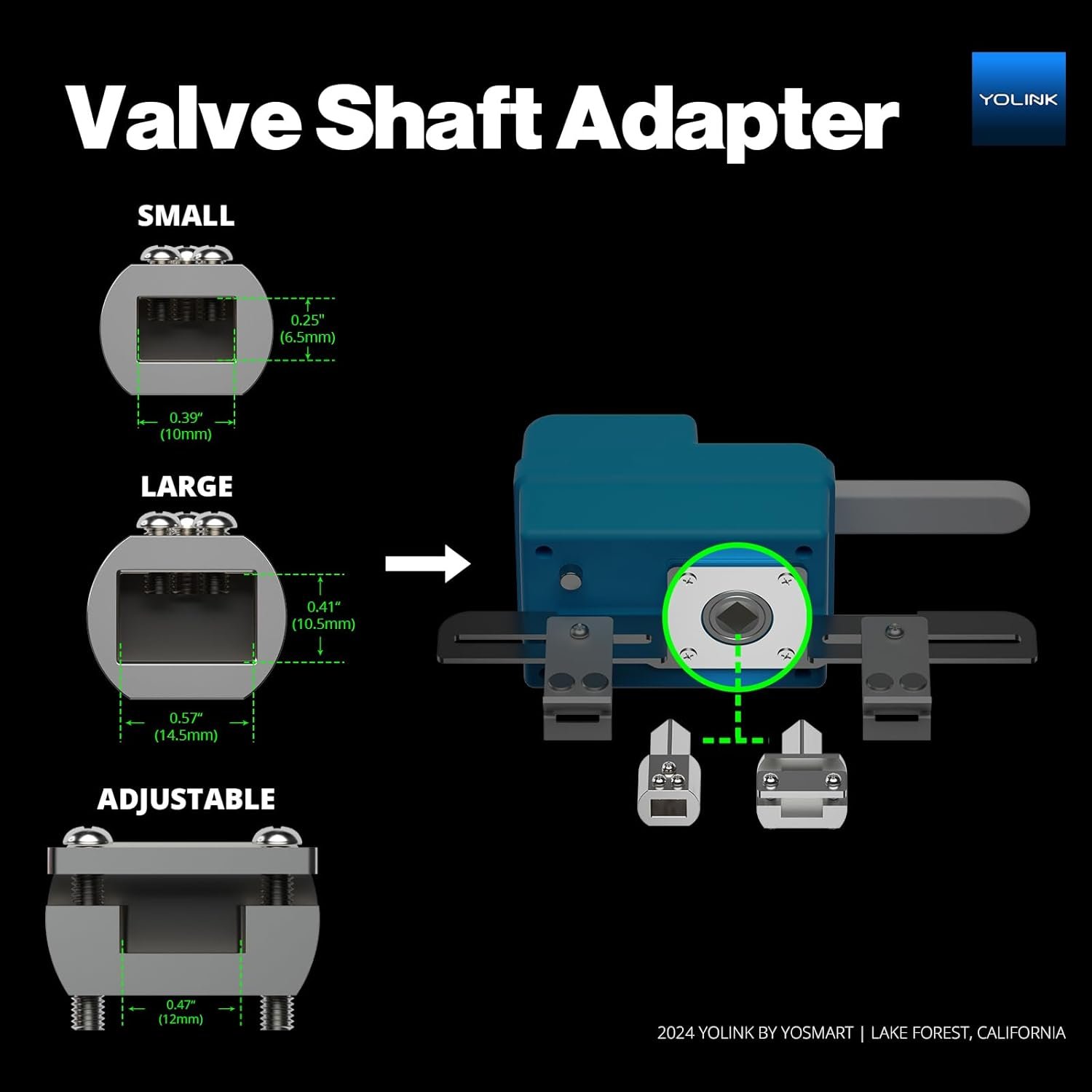
Every product in this category has a hidden cost, and that hidden cost is usually install friction. Inline valves often ask for plumbing confidence or paid labor. Clamp-on actuators lower the threshold, but they still need compatible hardware, accessible valve geometry, and thoughtful sensor placement if the rest of the kit is going to perform well.
The useful way to read this YoLink review is not to ask whether installation is possible in theory. It is to ask whether installation is realistic in your own home in the next two weeks. That framing prevents buyers from overpaying for a polished system they will never actually install or underbuying a simpler kit that will not satisfy the real risk scenario.
This is where buyer regret often starts. Shoppers say they want the safest system available, but what they really need is the safest system they will actually deploy correctly. A premium valve sitting in a box is not safer than a more modest shutoff system that is installed, tested, and trusted.
That is also why I keep comparing this category to smoke alarms and sump backups. The hardware matters, but the installed reality matters more. A clear maintenance routine, a believable alert path, and a tested shutoff action are the things that count after the first month.
Long-term ownership after the first week
The first week of ownership is easy. The harder part is month four, when the system has to stay useful without becoming background noise. In smart-home categories, trust decays fast when alerts feel random or when the app is too noisy. Water shutoff products are no different.
With YoLink Starter Kit, the long-term test is whether the homeowner can understand what the system is doing without constantly babysitting it. That includes health tests, battery confidence where relevant, and a simple explanation for why the system did or did not close the line during an event.
A good shutoff system should lower cognitive load over time. It should not create a new hobby. That sounds like a soft criterion, but it is one of the reasons the easiest system to live with often becomes the best editorial pick for a broader audience.
For buyers who travel often, maintain a second home, or simply want less uncertainty around laundry rooms and utility spaces, long-term ownership comfort becomes part of the value equation. Paying more can make sense if the trust story stays stronger for years instead of weeks.
False alarms, maintenance, and buyer fit
The most under-discussed frustration in this category is not a catastrophic failure. It is alert fatigue. If the homeowner stops trusting the system because the notifications feel noisy, vague, or repetitive, the category loses the very behavior change it is supposed to create. That is why I care so much about clarity instead of only feature count.
In practical ownership terms, YoLink Starter Kit needs to make sense on ordinary days, not only on the worst day. That means a clean maintenance routine, straightforward status checking, and a clear understanding of how the device reacts to a suspected leak versus ordinary household water use.
Maintenance is also where the install style matters again. Inline systems often feel more permanent once installed, but that permanence can make buyers forget to test them. Clamp-on systems feel more approachable, but buyers can undermine them if they treat setup as a one-time chore instead of an ongoing risk-control habit.
A smart shutoff system should ideally become boring. Boring is good. Boring means the system is quiet, understandable, and trusted. When a product creates too much drama in ownership, it stops feeling like protection and starts feeling like one more thing the homeowner has to manage.
This matters in a YoLink review because buyers often compare unlike alternatives. Some are really choosing between a premium shutoff system and a cheaper shutoff system. Others are choosing between a shutoff system and doing nothing. Those are not the same decisions, so the verdict has to stay anchored in the buyer segment the product actually serves well.
Should you buy it?
If your top concern is best budget, YoLink Starter Kit has a credible case.
If your top concern is the cheapest possible entry point, you may want a simpler sensor-only approach instead, but that changes the risk profile because notification is not the same as shutoff.
If your top concern is avoiding an after-hours plumbing panic, the buying decision should center on how much installation help you are willing to arrange now instead of later.
My practical advice in this YoLink review is to match the shutoff style to the part of the problem you actually need solved. Buying a premium inline system when you really needed a clamp-on DIY path is just as unhelpful as buying a cheap sensor when your insurer expects an automatic shutoff device.
For the side-by-side decision, read the full best smart water leak detector with automatic shutoff comparison. For the insurance angle, read the companion water leak detector insurance trend report.