

Disclosure: As an Amazon Associate, I earn from qualifying purchases. – Maya Bennett
Key Takeaways
- Insurance pressure is helping move smart water shutoff systems into the mainstream.
- Automatic shutoff matters more than notification-only sensors for this buying wave.
- DIY-friendly and plumber-installed systems are solving different problems.
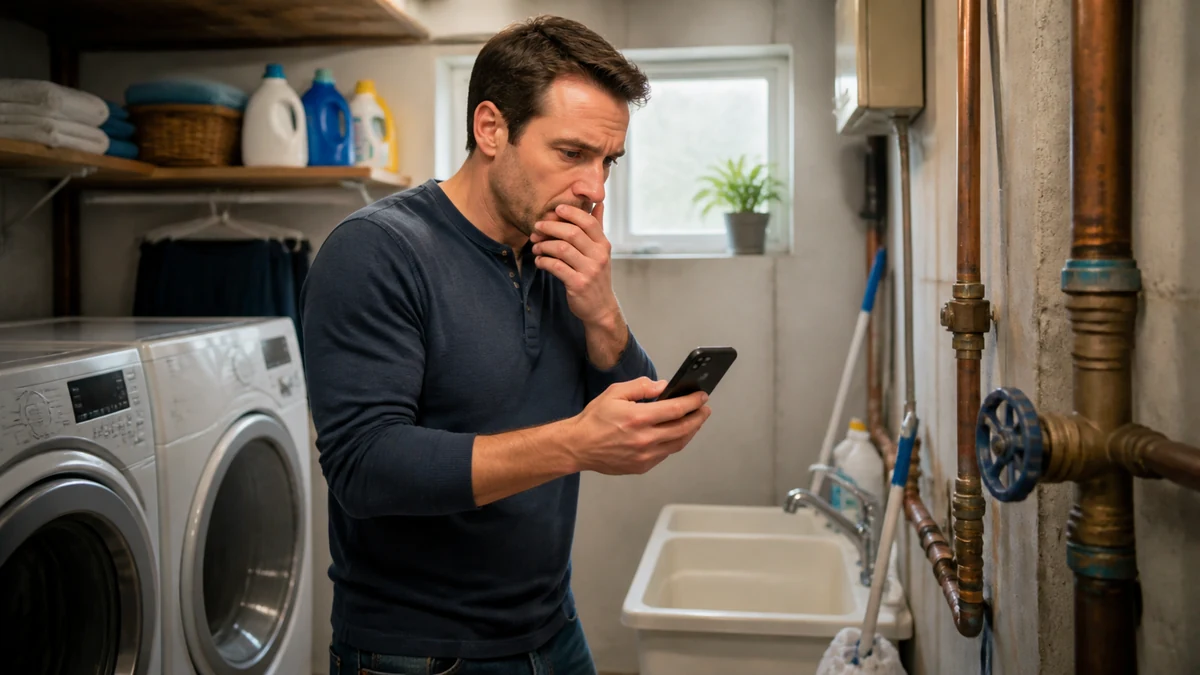
smart water leak detector insurance requirement 2026 is no longer a niche search. It reflects a new kind of homeowner urgency: people are not just shopping to avoid a wet floor, they are shopping to avoid a denied renewal conversation, a deductible-heavy claim, or a major cleanup that starts while nobody is home.
That change matters because the category used to be easy to ignore. A decade ago, whole-home shutoff hardware felt like a premium add-on for anxious smart-home buyers. In 2026, the tone is different. Mercury is explicit about qualifying-device language in its leak-detection FAQ, and Nationwide’s public Phyn partnership messaging keeps the insurance angle in front of mainstream homeowners. The result is a market where a buyer can no longer assume that a cheap sensor and a phone alert are enough to satisfy the smart water leak detector insurance requirement 2026 moment.
What has really shifted is the buying question. Instead of asking whether a leak detector is neat, buyers now ask whether it counts for insurance, whether it can actually stop water, and whether it can be installed without turning the project into a four-figure plumbing event. That is why the whole-home smart shutoff segment is gaining attention beyond typical smart-home circles.
Why insurers are part of the story now
Water damage has always been expensive, but the underwriting conversation is getting more concrete. Mercury’s FAQ frames a qualifying device requirement around first renewal timing for certain homeowners, which changes the emotional weight of the purchase. It is one thing to consider a leak detector as an optional safety upgrade. It is another thing to think of it as a near-term renewal requirement that needs to be installed correctly.
Nationwide’s public partnership framing with Phyn adds a second signal. That messaging does not mean every carrier has identical rules, but it does tell buyers that insurance programs now treat automatic leak mitigation as more than a novelty. When a major carrier uses discount language and claim-reduction statistics in a press release, shoppers pay attention.
This is where the category becomes confusing. A buyer may see sensors, smart valves, clamp-on actuators, and premium flow-monitoring systems all described as leak protection. From an insurance and damage-control standpoint, those are not equivalent. Some products only alert. Others can actually stop the water. For many homeowners, that is the difference that matters most.
Why automatic shutoff changes the value equation
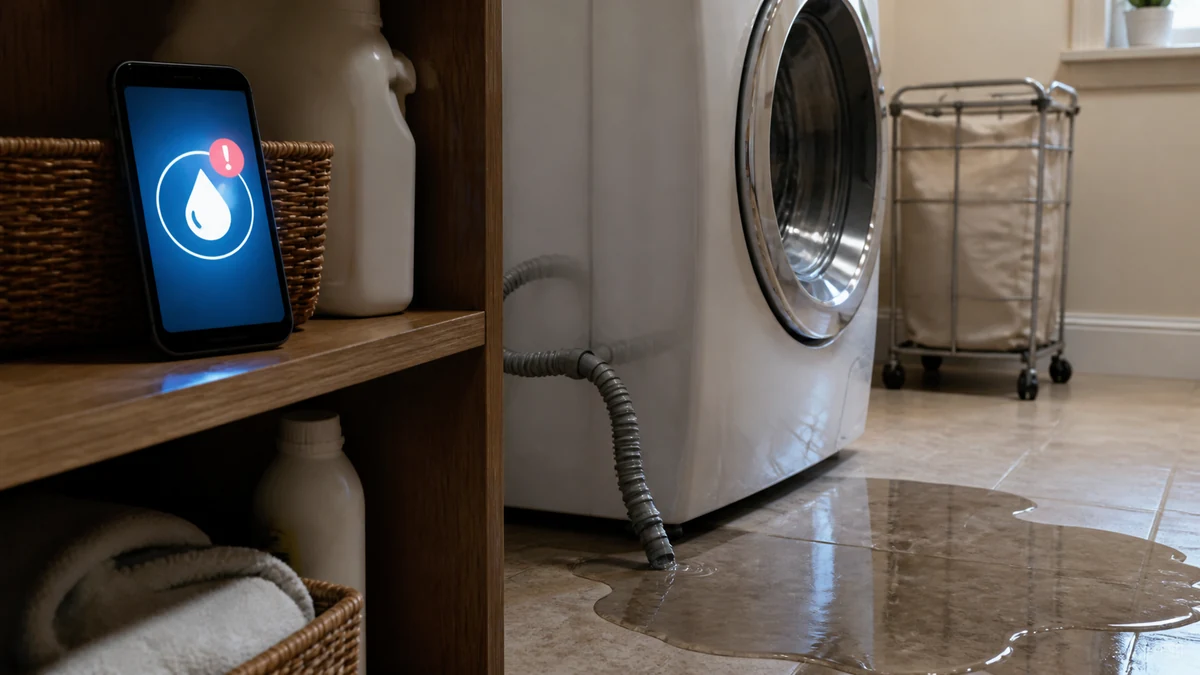
The phrase to focus on is automatic shutoff. If a system only sends a push notification, the homeowner still has to see the alert, trust it, and act quickly enough to matter. That can work when somebody is ten minutes away from home. It works less well when the homeowner is on a flight, asleep, or simply decides it is another false alarm.
John Galeotafiore puts the point more directly: when water is actively moving, speed matters. That is why the market is splitting into two practical segments. One segment wants a polished insurer-friendly inline valve system. The other wants a DIY kit that can turn an existing ball valve without cutting pipe. Both are responses to the same pain point, but they solve it with different installation tradeoffs.
This is also why notification-only hardware is losing narrative momentum in whole-home buying guides. A leak sensor under a sink is still useful, but it does not answer the same homeowner risk story as a system that can close the line. In content terms, the market is moving from awareness to response.
What buyers should verify before they order anything
The first verification is insurer wording. Buyers should confirm whether their carrier is naming a specific approved-device list, requiring professional installation, or simply encouraging an automatic shutoff device with discount language. Those are not the same requirement, and they affect which products make sense.
The second verification is the install path. Inline systems usually need access to the main line and may justify a plumber. Clamp-on kits are friendlier to DIY buyers, but they still require a compatible ball valve and sensible leak-sensor placement. A homeowner who skips that install reality check can easily buy the wrong category.
The third verification is how the system behaves when the buyer is not available to babysit it. Does it work only through Wi-Fi? Does it keep a local shutoff relationship between valve operator and sensor logic? Does it create one clean alert path, or a noisy stream of app chatter the homeowner will learn to ignore? Those are practical trust questions, not spec-sheet trivia.
Where this leaves homeowners in 2026
The clearest way to say it is this: smart water shutoff systems are crossing the line from optional smart-home gadget into pragmatic home-risk purchase. That does not mean every house needs a premium valve tomorrow. It does mean more homeowners now have a reason to compare whole-home options instead of shrugging off the category.
For people who already know their insurer is discussing automatic shutoff, comparison shopping should start with three routes: polished inline system, lower-cost clamp-on DIY shutoff, and premium monitored shutoff. Those are the same three routes we used in our side-by-side buying guide, because they map to the real decisions buyers are making.
If you are already in that decision stage, go straight to the full comparison of the best smart water leak detectors with automatic shutoff. If you already know your install route, you can also jump to the individual reviews for Moen Flo, YoLink, and StreamLabs Control.
Authority context for this trend includes Mercury’s leak-detection FAQ, Nationwide’s Phyn announcement, Consumer Reports coverage of shutoff devices, and Bob Vila’s buying guidance on water leak detectors.
Sources: Mercury Insurance, Nationwide, Consumer Reports, Bob Vila, and Wirecutter.
Why this trend is bigger than one carrier memo
The broader story is that the economics of water damage are too obvious to ignore. A category that once looked optional now sits at the intersection of smart-home convenience, insurer expectations, and basic household resilience. That combination is exactly what pushes a niche product type into the mainstream.
It is also why the buyer conversation has matured so quickly. People are no longer asking only which leak detector has the prettiest app. They are asking whether the system can stop water while they are out, whether it fits their home without a major remodel, and whether it helps them document a smarter risk-mitigation posture.
Those questions are more practical than trendy, and that is precisely why this market is growing. Practical categories usually win when the cost of ignoring them becomes easier to visualize than the cost of buying in.
Why buyer confusion is still high
The category is still confusing because many products sound similar in product listings even when they solve very different problems. One product may only notify. Another may shut off the line but require a plumber. Another may clamp onto an existing valve and feel more approachable for a DIY buyer. That difference is easy to miss if the shopper only skims the headline and star rating.
Retail pages also flatten the category into one list, which makes it harder for buyers to separate insurance logic from convenience logic. A homeowner shopping because of a renewal concern should not browse the category the same way a renter shopping for under-sink peace of mind would browse it. The problem is not just feature overload; it is category overlap.
That confusion is one reason the 2026 trend matters editorially. The search volume is not just coming from gadget curiosity. It is coming from people who need a practical translation layer: what counts as a shutoff system, what does not, and how much installation work each route actually implies.
The consequence of getting this wrong is not only overspending. It is buying a product that fails the homeowner’s real reason for shopping. If the buyer wants insurer-friendly shutoff and instead buys a notification-only sensor, the product may still be useful, but it will not solve the trigger that brought them into the market in the first place.
Who should act now and who can wait
Homeowners who already know they have renewal pressure, a recent water-damage scare, or a vulnerable laundry-room or utility-room setup should move now because the comparison work takes longer than most people expect. They need time to verify install style, insurer language, and whether a plumber visit is part of the project.
Buyers who are only mildly curious can wait, but they should still understand the category before the next appliance-line scare or underwriting notice lands in their inbox. In practical terms, the trend is telling people to shop before the emergency, not during it. That timing advantage matters.