

Bidet toilet seat installation is one of the fastest ways to improve your bathroom hygiene, save on toilet paper, and add a touch of modern comfort to your daily routine. In this no-nonsense guide, we’ll cover what matters—the basics, actionable steps, troubleshooting, and real-world advantages and downsides you should consider before getting started.
Key Takeaways
- Smart bidet toilet seat adoption in the U.S. is growing fast, driven by hygiene awareness and smart home integration.
- DIY installation is realistic for most homeowners—advanced models may require an electrical outlet and basic plumbing skills.
- Pitfalls include fitting incompatibility, water leaks, and power constraints—plan ahead to avoid common mistakes.
- The Core Concept: Why Install a Bidet Toilet Seat?
- Step-by-Step Guide: How to Install a Bidet Toilet Seat
- Advanced Analysis & Common Pitfalls
- Conclusion
- Frequently Asked Questions
The Core Concept: Why Install a Bidet Toilet Seat?
A bidet toilet seat is an upgraded seat that attaches to your existing toilet, transforming it with features like self-cleaning water sprays, heated seating, and air drying. Modern bidet seats require minimal space and can be fitted onto most standard toilets. Adoption is surging: In the U.S., smart electric bidet toilet seats are now in 15-20% of certain households, up from less than 5% just a decade ago (source).
Why install one? They’re hygienic, often recommended for sensitive skin, and can sharply reduce your need for toilet paper. Many people report improved comfort, cleanliness, and even fewer plumbing clogs. Rising interest has put North America on track to reach nearly $552 million in annual bidet toilet seat sales by 2029 (source).
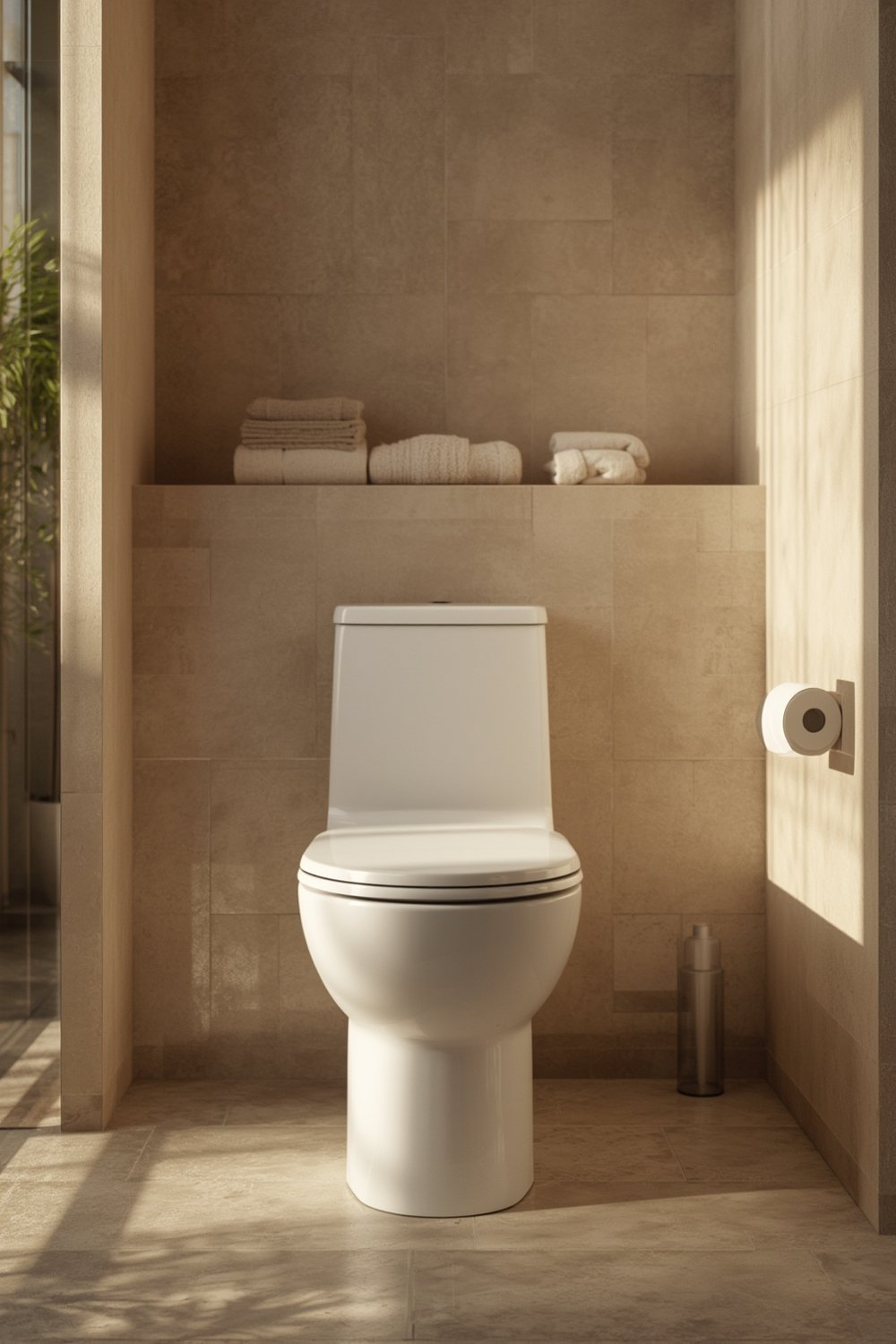
Technological advances after the pandemic and increased awareness have fueled the bidet revolution. Most homeowners can install an entry-level bidet seat in about 30-45 minutes using simple hand tools, making it a practical energy efficiency upgrade similar to adding an energy-efficient appliance.
Step-by-Step Guide: How to Install a Bidet Toilet Seat
You don’t need to be a plumber or an electrician to add most bidet seats. Here’s how to handle a typical installation:
- Shut off the Water Supply: Find the valve near your toilet base, turn clockwise to close.
- Remove the Existing Toilet Seat: Unscrew the mounting bolts (usually plastic). Set the hardware aside.
- Attach the Mounting Plate: Align the new bidet seat mounting bracket over the existing holes, secure with included bolts.
- Connect the T-Valve: Unscrew the flexible supply line from the toilet tank’s fill valve. Insert the provided T-Valve in its place. Tighten all connections by hand, then give a slight turn with a wrench—do not over-tighten.
- Reconnect the Water Lines: Attach the bidet’s supply hose between the T-Valve and bidet seat. Reconnect your main water supply line.
- Install the Bidet Seat: Slide the seat onto the mounting plate until it clicks into place.
- Restore Water & Test: Turn the supply valve counterclockwise. Inspect carefully for leaks. Power up and test all functions (water, heated seat, dryer, etc).
- Secure Any Loose Hoses: Use included clips or zip ties to prevent kinks or accidental dislodging.
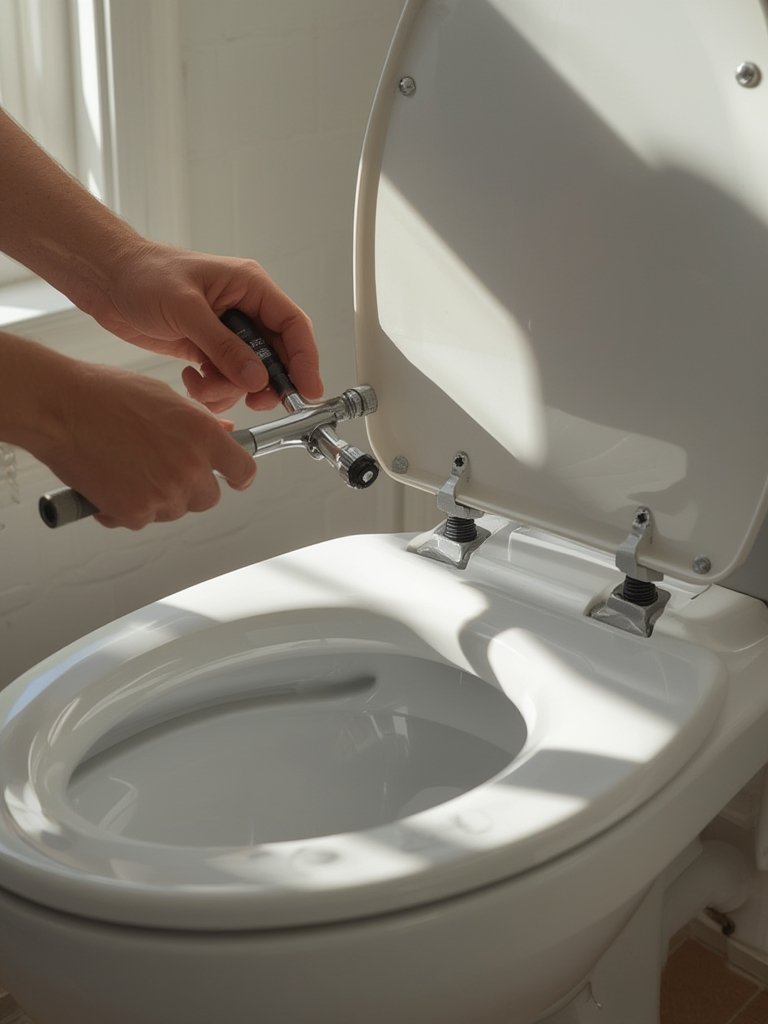
This process applies to most bidet seats by brands like TOTO, Brondell, and TUSHY. Attachments (the non-electric kind) are even simpler—usually just install under your old seat and connect to the water line. If you’re seeking a big-impact bathroom upgrade but want to avoid a remodel, this is as quick as swapping in a non-slip bath mat or changing your bathroom fixtures.
Quick Install Cheat Sheet:
- Most seats fit standard elongated or round bowls—double check your toilet shape before ordering.
- Have a towel handy to catch small water drips as you disconnect hoses.
- Turn off the breaker before plugging in any new devices if working in damp areas.
Advanced Analysis & Common Pitfalls
Despite rising ownership and generally positive experiences, bidet toilet seat installation isn’t entirely foolproof. Common hurdles are usually avoidable with the right prep. Here’s what the data and hands-on experience reveal:
| Issue | Summary | How to Avoid |
|---|---|---|
| Water Leaks | Leaks can occur at T-adapter joins and hose ends if connections aren’t tight or washers are misaligned. | Always hand-tighten, then use a wrench carefully; test with paper towels under fittings before finishing. |
| Wrong Toilet Shape | Round vs elongated toilet confusion is common—misfits mean the seat will not be secure or aligned. | Measure your bowl length before ordering (typically 16.5″ for round; 18.5″ for elongated). |
| No Nearby Outlet | Advanced seats require plugging in—a lack of a GFCI outlet means limited features or unsafe use of extension cords. | Hire a pro to add a bathroom-grade electrical outlet; never run cords across wet floors. |
| Incompatible Plumbing | Some older or unusual toilets (skirted, proprietary designs) don’t accept standard adapters. | Check compatibility charts from the manufacturer, or opt for universal fit kits. |
| Low Water Pressure | Weak sprays are most noticeable in older homes or those with shared supply lines. | Choose models rated for low pressure; test flow at your toilet before installation. |
Full bidet toilet seats require more from your bathroom than basic bidet attachments. The attachment models (like those from TUSHY) usually rely on cold water and simple hoses, ideal for quick upgrades that are still renter-friendly. Integrated seats may add complexity if your home lacks electrical access near the toilet—professional installation for a GFCI outlet can run $150-$400.
Market reports suggest U.S. adoption is fastest among tech-savvy and hygiene-conscious customers (source). Japan leads globally, with more than 80% ownership rates; in the U.S., public restrooms help normalize bidet use, according to the Ukiyo Journal, with nearly half of respondents having tried one (source).
If your bathroom project involves a broader renovation—like new wall panels or replacing floors—you might want to coordinate this upgrade alongside crown molding installation or siding upgrades for maximum efficiency.
Conclusion
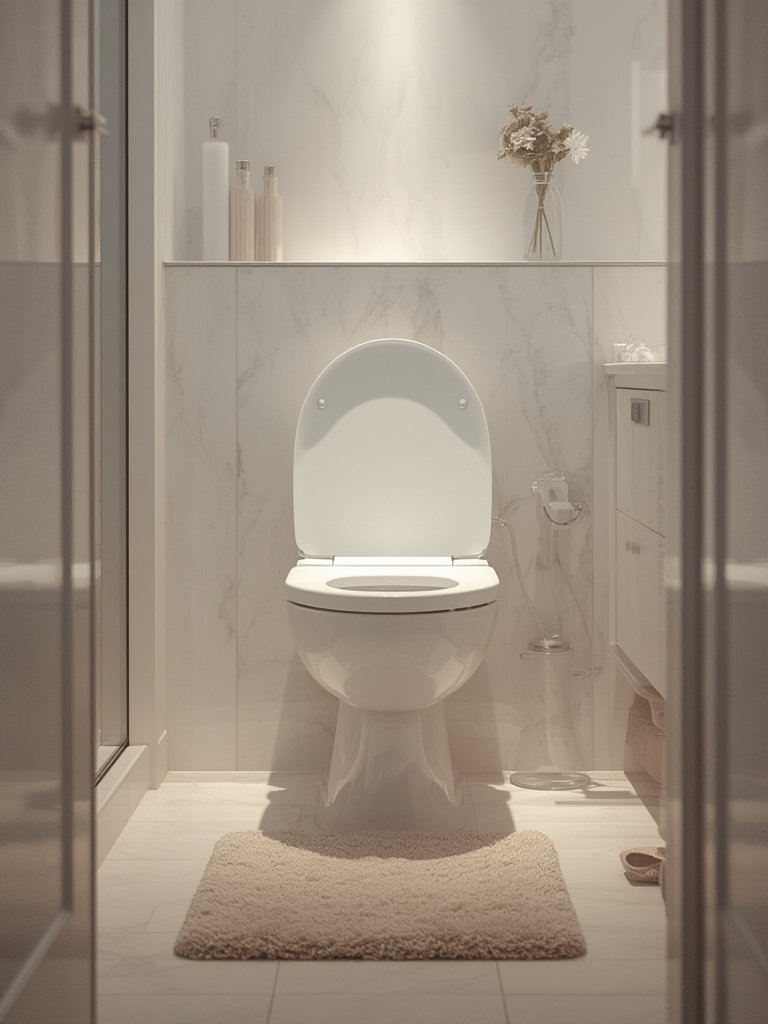
Modernizing your bathroom with a bidet toilet seat installation is realistic for most handy homeowners. It’s a cost-effective way to boost hygiene, comfort, and even reduce repair bills—especially compared to hiring a bathroom remodeling company for a full gut job. Double check your toilet shape, water supply, and (if needed) power outlet before ordering. For most brands, DIY is within reach, but don’t be afraid to call a pro if you hit a snag. Ready to upgrade? Start planning your bidet toilet seat installation today and enjoy a cleaner, smarter bathroom experience.
For more home improvement ideas, check out our guides on mini split AC DIY installation and whole house water filter systems—simple upgrades that deliver lasting results.
Frequently Asked Questions
Can I install a bidet toilet seat without professional help?
Yes, most standard bidet toilet seats and attachments are designed for DIY installation with basic hand tools. Advanced features may require a nearby GFCI outlet, so check before buying.
Will a bidet seat fit any toilet?
Most seats fit standard round or elongated bowls, but some proprietary toilets may be incompatible. Always measure your toilet and check manufacturer compatibility charts.
Does a bidet seat require electricity?
Electric models (for features like heated seats and warm water) do require a bathroom-rated outlet. Non-electric attachments use only water pressure and do not need power.
How do I prevent leaks during installation?
Hand-tighten all fittings, never overtighten, and double-check washers. Test with a paper towel under connections after turning the water supply back on.
Is a bidet seat worth the investment?
If you value better hygiene, comfort, and potential savings on toilet paper or plumbing, yes—a bidet seat is a practical, high-impact bathroom upgrade.