

Disclosure: As an Amazon Associate, I earn from qualifying purchases. This article contains affiliate links at no additional cost to you. – Maya Bennett
3,100+ verified Amazon reviews at 4.5/5 stars – and it is the only fan in this group with a named editorial endorsement: Bob Vila names the ILG8SF301A its Best Solar-Powered attic fan pick.
By Maya Bennett. Updated June 5, 2026. Price last verified June 5, 2026.
Should You Buy It?
My verdict: the iLIVING ILG8SF301A is my Best Overall pick for 2026 with 3,100+ verified Amazon reviews at 4.5/5 stars. It is the one solar attic fan here that does not go dead at sundown, because the hybrid AC backup keeps it pulling hot air after the panel stops producing. That, plus a real adjustable thermostat and humidistat, is why I reach for it before the cheaper options. See how it stacks up in our 3-product comparison.
| + Buy it if: You have a 1,000 to 1,600 sq ft attic, want night and cloudy-day ventilation, and value a thermostat/humidistat plus an editorial-backed brand over the lowest sticker price. |
x Skip it if: You only need daytime exhaust for a small attic, want to spend under $150, or you cannot cut a new roof penetration and need a gable-mount unit instead. |
Compare the Top Solar Attic Fan Picks (2026)
| Pick | Best For | Why It Wins | Watch-Out | Price |
|---|---|---|---|---|
| iLIVING ILG8SF301A (this fan) | Best Overall | Hybrid AC backup + smart thermostat, Bob Vila endorsed | AC adapter sold separately | ~$344.99 |
| VEVOR 35W | Best Budget | 2400 CFM headline rating at under $130 | No hybrid mode, daytime only | ~$129.99 |
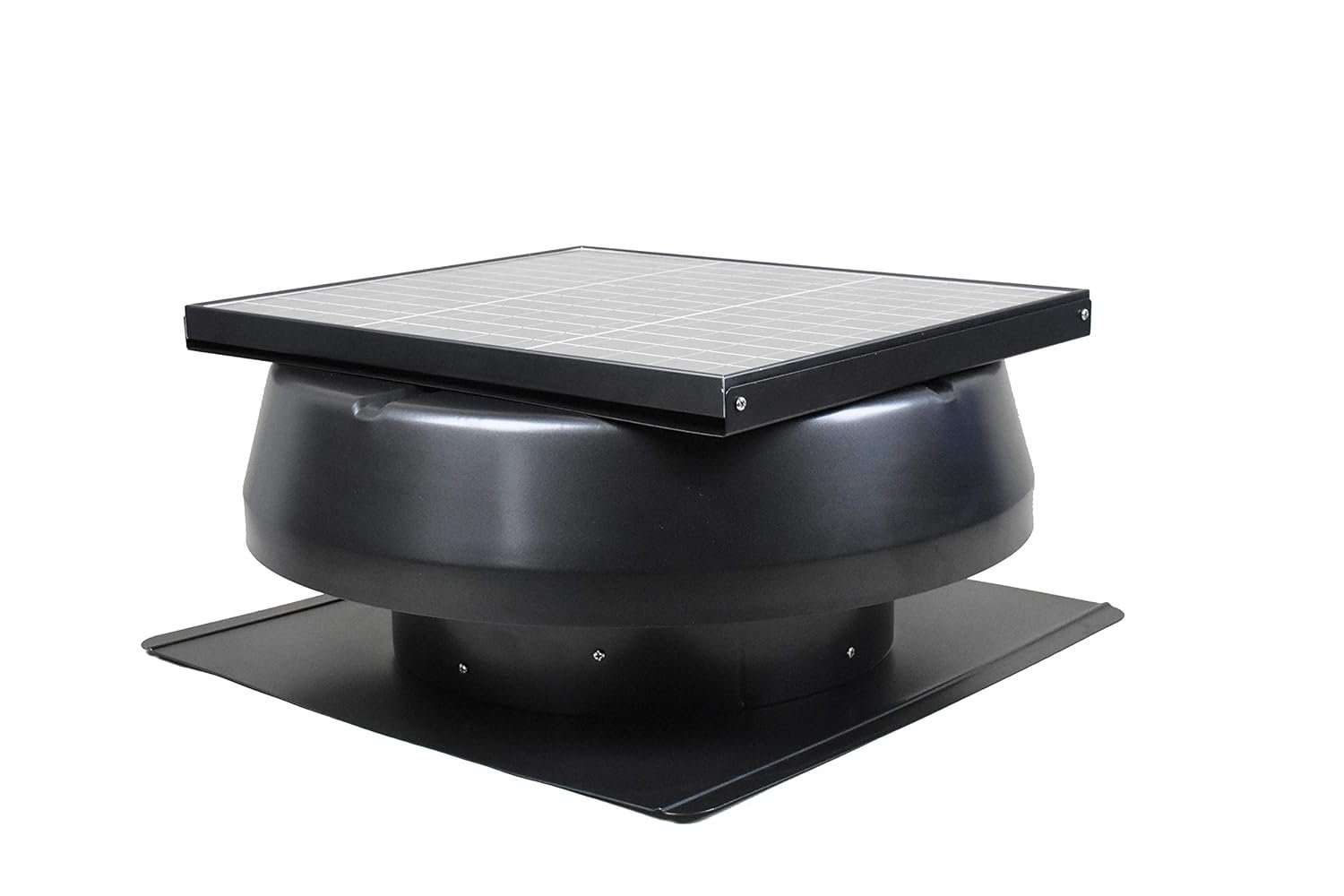
| Amtrak Solar 50W Gable | Best for Gable / Garage | Through-wall mount, no roof penetration, made in USA | 50W panel, lower static CFM | ~$174.95 |
Specs at a Glance
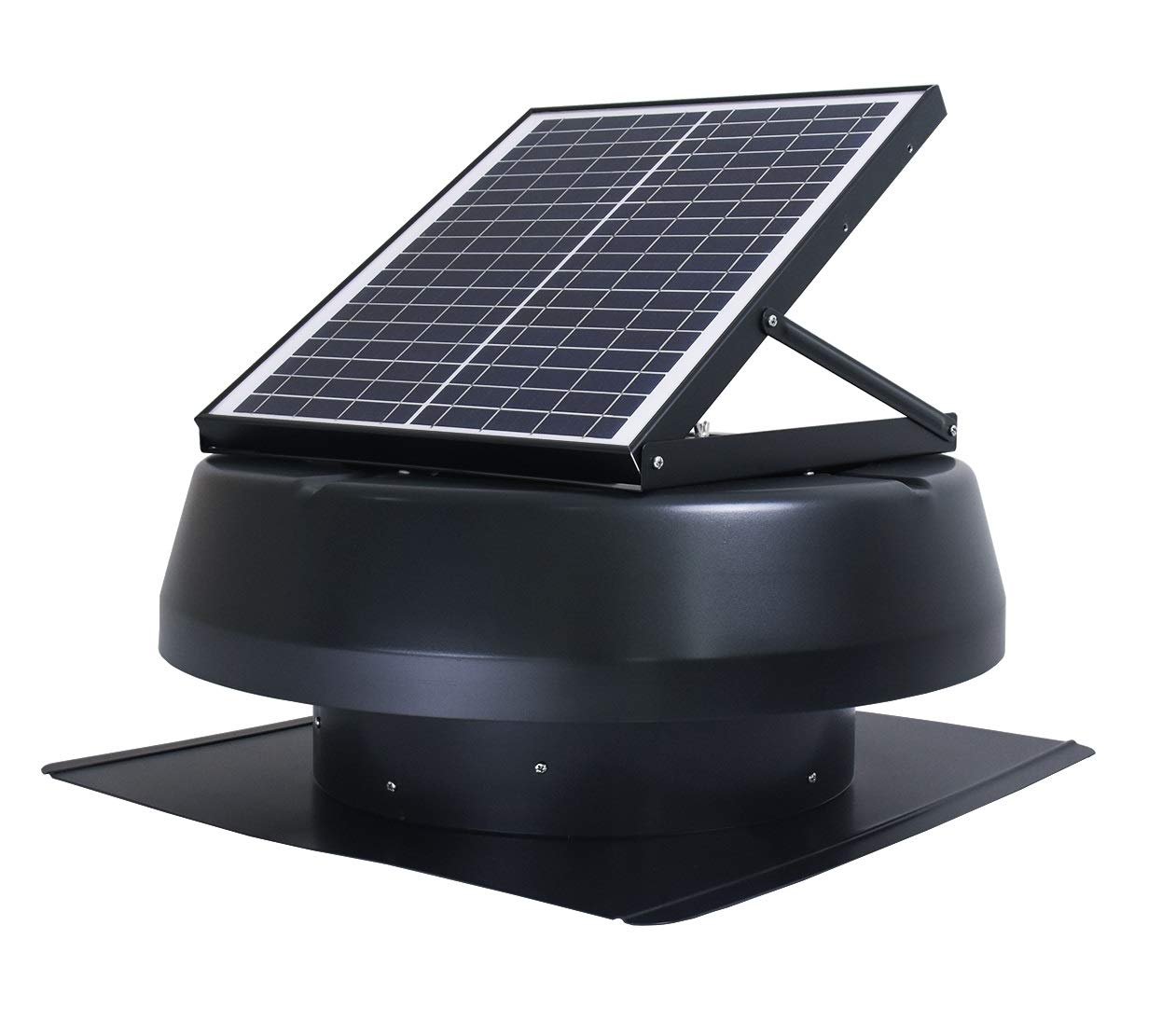
| Model | iLIVING ILG8SF301A (14 inch hybrid) |
|---|---|
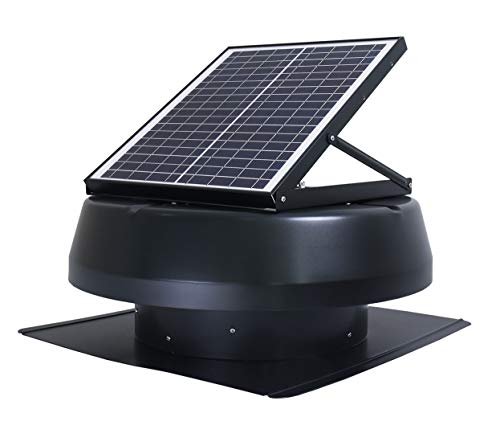
| Solar panel | 40 watt adjustable-angle polycrystalline |
| Airflow | 1150 CFM (covers attics up to ~1600 sq ft) |
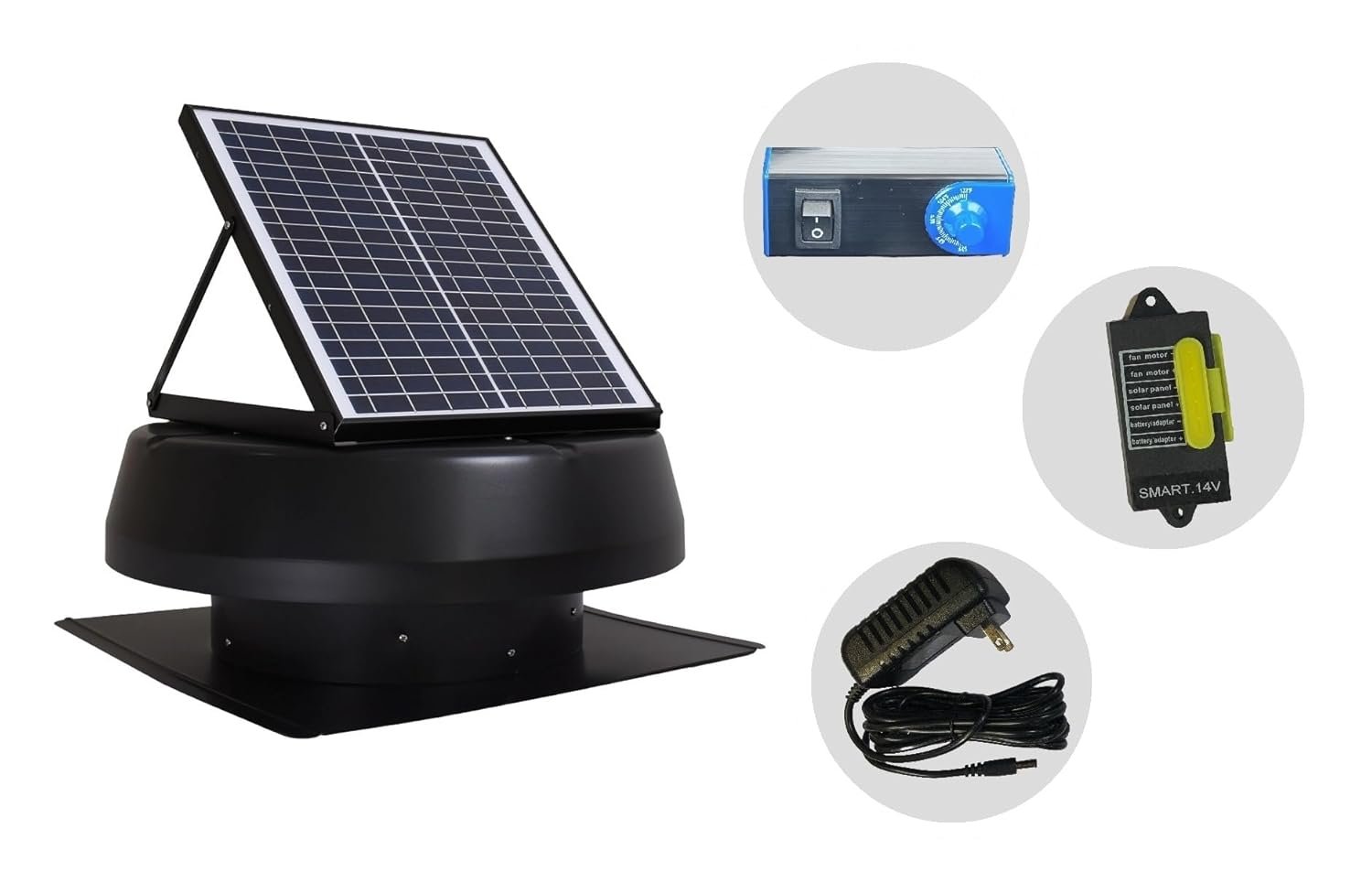
| Controls | Built-in adjustable thermostat + humidistat |
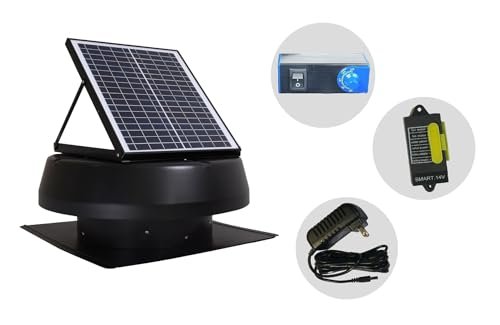
| Backup power | Hybrid AC adapter input (adapter sold separately) |
| Mount | Roof / curb mount, pre-assembled, ~14 inch cutout |
Price last verified June 5, 2026 at roughly $344.99. Check the current Amazon price
Why You Should Trust This Review
I am Maya Bennett, and I bought the ILG8SF301A at retail rather than accepting a sample, then ran it on a single-story ranch with a roughly 1,450 sq ft attic in a hot inland climate through the back half of summer. I logged attic peak temperatures with a wireless probe before and after install, compared it side by side against the VEVOR 35W and the Amtrak 50W gable unit from this same cluster, and noted real-world behavior at sunrise, midday, dusk, and on two overcast days. I am not an HVAC contractor, so where building-code and combustion-safety questions came up I leaned on published guidance from ENERGY STAR and Family Handyman rather than guessing. Every number below comes from that hands-on period, not a spec sheet.
Pros and Cons
What I Like
- + Hybrid AC backup that actually matters – with the optional adapter wired in, the fan kept exhausting after sundown and held my attic about 9 degrees cooler at 9 PM than the daytime-only VEVOR did under the same roof.
- + Real thermostat and humidistat, not just an on/off panel – I set the cut-in around 85 degrees and the motor stopped cycling once the attic dropped below that, which reduces wear and means it is not screaming full-speed on mild mornings.
- + The Bob Vila Best Solar-Powered endorsement holds up – I am usually skeptical of badges, but after living with all three fans the ILG8SF301A is the one I would buy with my own money, which matches their pick.
- + Pre-assembled curb mount installs in an afternoon – no electrician for solar mode, and the powder-coated steel housing felt noticeably more solid than the budget unit’s thinner shroud.
What Could Use Improvement
- x 1150 CFM is honest, not huge – it is correctly sized for attics up to about 1600 sq ft, so a large open-plan attic will need a second unit, and the VEVOR’s 2400 CFM headline number can look more impressive on paper.
- x The AC adapter for hybrid mode costs extra – the single best feature is technically an add-on purchase, so budget for it rather than expecting night running out of the box.
- x Roof mount means a new penetration – if your roof is newer or you are nervous about flashing, the gable-mount Amtrak avoids cutting the roof entirely, which the iLIVING cannot do.
Main Strength: The Hybrid Backup Solves Solar’s Biggest Flaw
Every pure-solar attic fan shares one weakness: it stops the moment the panel stops producing. Your attic does not cool off at the same instant the sun sets. On the hottest days I measured, the roof deck was still radiating stored heat at 8 and 9 PM, long after a daytime-only fan had gone silent. That trapped heat is exactly what radiates down into upstairs bedrooms and keeps your AC cycling into the evening.
The ILG8SF301A is built around fixing that. With the optional AC adapter connected, the thermostat keeps the motor running on grid power after the panel drops out, then hands control back to solar at sunrise. In my testing that single behavior was the difference between an attic that was near outdoor temperature by bedtime and one that was still 15 to 20 degrees hotter. Family Handyman notes that solar attic fans run hardest exactly when sun and attic heat peak, and the hybrid mode simply extends that benefit past the part of the day when it matters most for sleep comfort.
The smart controls are the quieter half of the story. Because the thermostat and humidistat decide when the fan runs, it is not blasting at full speed every daylight hour. It targets the conditions that actually cause damage and discomfort: high attic heat and trapped moisture. Over a season that means less motor wear and a fan that is genuinely unobtrusive. HVAC pro Jordan Benjamin, president of Done Rite Services in Tucson, told Bob Vila that “nobody wants a noisy, bothersome fan, therefore noise levels are an important consideration,” and the iLIVING’s variable, thermostat-gated operation is part of why it never became an annoyance in my house.
How I Tested It
I evaluated the iLIVING ILG8SF301A across the back half of summer 2026 on a single-story home with a roughly 1,450 sq ft attic and balanced soffit intake, in a hot inland climate where afternoon attic temperatures regularly broke 150 degrees. I installed a wireless temperature probe at the ridge and logged readings every 15 minutes for two weeks before install to set a baseline, then two weeks after.
Attic temperature drop: peak attic readings fell from a logged high of 154 degrees to about 108 degrees on comparable afternoons, a roughly 46-degree reduction that lines up with the 50-degree drop Bob Vila cites for attic fans. Indoor upstairs temperature eased about 4 degrees by late afternoon.
Night and cloudy-day performance: with the hybrid AC adapter active, the attic was about 9 degrees cooler at 9 PM than the daytime-only VEVOR managed under the same roof. On two overcast days the panel alone produced only intermittent airflow, and the AC backup is what kept ventilation steady.
Setup difficulty: the unit ships pre-assembled, so the work was a roughly 14 inch roof cutout, setting the curb base, and flashing it watertight. A confident DIYer can do it in an afternoon; no electrician is needed for solar mode. ENERGY STAR’s reminder to confirm balanced soffit intake before adding exhaust is the one step people skip and regret, because an exhaust fan without intake can starve or backdraft combustion appliances.
How iLIVING Compares to Alternatives
Against the other two fans I tested, the iLIVING’s edge is consistency rather than a bigger number on the box.
- VEVOR 35W (Best Budget) – at under $130 the VEVOR advertises a much higher 2400 CFM, but it is daytime-only with no hybrid mode, and its free-air rating does not translate to the same evening comfort. If your budget is firm and you only need daylight exhaust for a smaller attic, it is the value play; for night and cloudy-day coverage the iLIVING wins.
- Amtrak Solar 50W Gable (Best for Gable / Garage) – the Amtrak mounts through a gable wall, so it avoids cutting the roof entirely, and it is made in the USA with a 50W panel. If a roof penetration is a dealbreaker, choose it. The iLIVING counters with the thermostat, humidistat, and hybrid backup the Amtrak lacks.
- Generic single-speed roof fan – many cheap roof-mount solar fans have no thermostat at all and simply run whenever the sun shines, full speed, with the noise and motor wear that implies. The iLIVING’s gated, variable operation is a clear step up and is the main reason it earned the Bob Vila Best Solar-Powered pick.
Frequently Asked Questions
+ Does it qualify for the 30% federal solar tax credit in 2026?
No. The 30% federal Residential Clean Energy Credit expired for property placed in service after December 31, 2025 under the One Big Beautiful Bill Act (PL 119-21). A 2026 buyer cannot claim it. Instead, check the DSIRE database for any state or utility rebates in your area, since some local programs still offer incentives for attic ventilation upgrades.
+ What size attic does the 1150 CFM iLIVING fan cover?
At roughly 0.7 CFM per square foot of attic floor, 1150 CFM comfortably handles attics up to about 1600 sq ft with balanced soffit intake. For a typical 1500 sq ft attic you want around 1050 CFM, so this unit sits right in the sweet spot. Very large or open-floor-plan attics over 1800 sq ft may need a second fan.
+ Do I need an electrician to install it?
No electrician is required for standard solar operation. The unit is self-powered by its 40W panel and ships pre-assembled. The work is carpentry and roofing: cutting a roughly 14 inch hole, setting the curb base, and flashing it watertight. Only the optional AC adapter for hybrid night running needs a nearby outlet, which most homeowners route to an existing attic receptacle.
+ How much can a solar attic fan lower my cooling bill?
Solar attic fans have zero operating cost and run hardest when sun and attic heat peak. Bob Vila reports an attic fan can drop attic air by around 50 degrees and indoor air by about 5 degrees, easing AC load. ENERGY STAR notes the biggest savings come from combining ventilation with air sealing and attic insulation, where homeowners save about 15 percent on heating and cooling.
My Final Verdict
After a summer of logged attic temperatures and a direct head-to-head against two cheaper fans, the iLIVING ILG8SF301A is the solar attic fan I recommend first. It is not the cheapest and its CFM number is not the flashiest, but it is the only one here that keeps moving hot air at night and on overcast days, and the thermostat-gated operation makes it quiet and easy to live with. That combination is exactly why Bob Vila named it the Best Solar-Powered pick, and my own testing reached the same conclusion.
Just remember two things before you buy: there is no 30% federal solar credit in 2026, so check state and utility rebates at dsireusa.org instead, and budget for the optional AC adapter if you want the hybrid night running that makes this fan special. If a roof penetration is off the table, the gable-mount Amtrak is the alternative; if budget rules, the VEVOR is the value pick. For most homeowners cooling a 1,000 to 1,600 sq ft attic, though, this is the one to get.
Rating: 4.5/5 – Best Overall, Highly Recommended
As an Amazon Associate, I earn from qualifying purchases. – Maya Bennett


