

Focus Keyword: induction range vs gas stove
Key Takeaways
- Induction ranges are quickly gaining market share over gas stoves due to superior energy efficiency and new incentives.
- Switching to induction means lower operating costs and fewer ventilation challenges, but some cooking habits and initial costs can be a hurdle.
- No federal gas ban exists yet, but evolving building codes and electrification incentives heavily favor induction for new homes.
- Induction Range vs Gas Stove: What’s the Core Concept?
- Step-by-Step Guide: Making the Switch
- Advanced Analysis & Common Pitfalls
- Conclusion
- FAQ
Induction Range vs Gas Stove: What’s the Core Concept?
The induction range vs gas stove debate is at the heart of today’s kitchen upgrades, energy bills, and new construction codes. Induction ranges use electromagnetic energy to heat pots and pans directly, while gas stoves burn fossil fuel to create an open flame. This fundamental difference shapes efficiency, air quality, safety, and even home design standards.
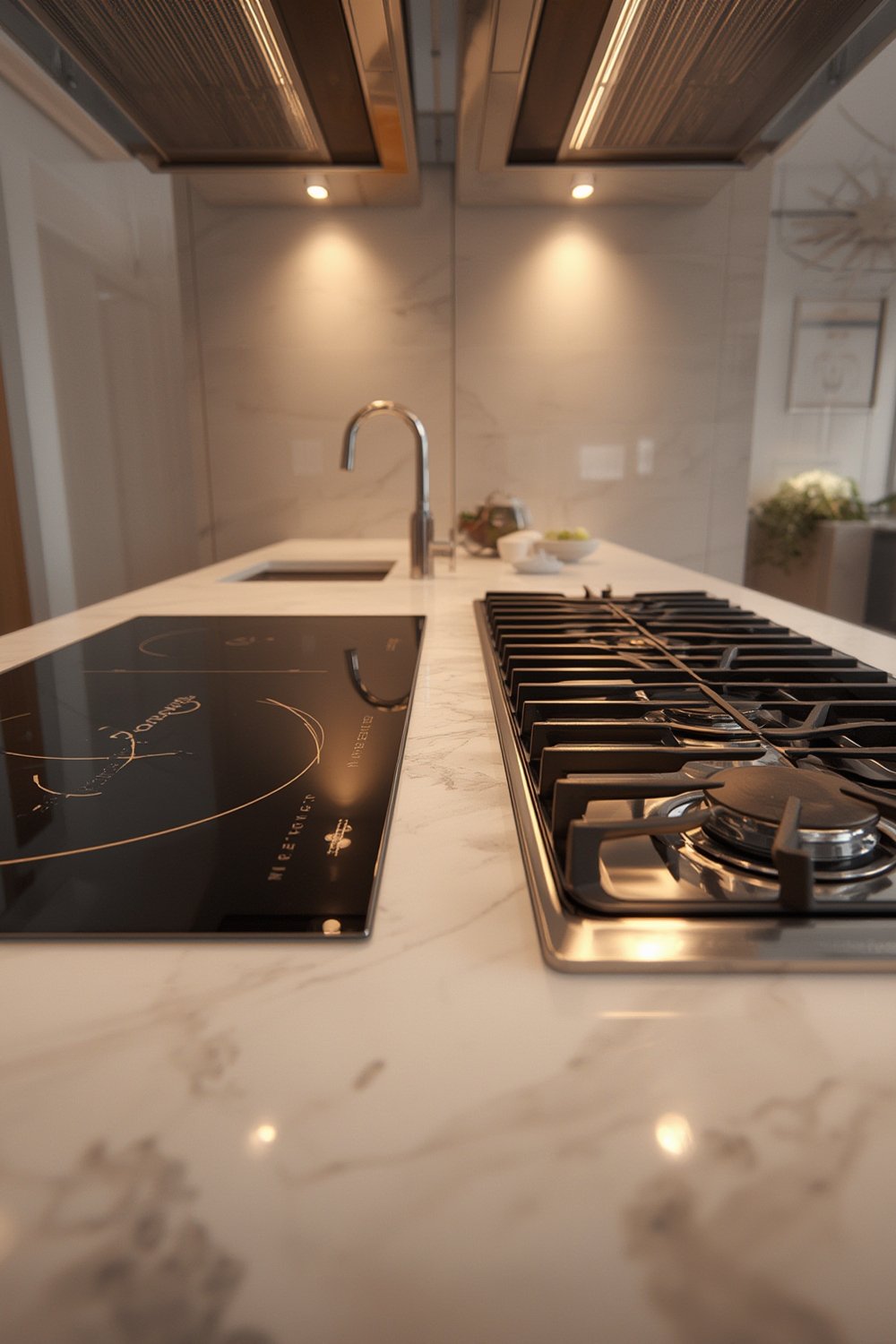
Globally and across the United States, consumer adoption of induction ranges is accelerating. In 2024, the US induction cooktop market was valued at $3.43 billion and is projected to nearly double by 2033.[source] Meanwhile, about 38% of US homes still use gas stoves, but that share is steadily dropping as consumers and builders pivot toward electricity, energy efficiency upgrades, and healthier cooking environments.
Induction is not just about saving energy; it also influences how your kitchen is ventilated, impacts repair and installation costs, and ties directly into your home’s carbon footprint. The choice between induction and gas is now affected by building codes, regional electrification incentives, and growing awareness of indoor pollution from gas.
Step-by-Step Guide: Making the Switch
If you’re serious about upgrading from gas to induction (or planning your next kitchen), follow these actionable steps:
- Evaluate Your Current Setup: Check if your kitchen has a 240V outlet for a standard induction range. If not, include electrician costs in your budget.
- Take Advantage of Incentives: Federal rebates and tax credits can lower the cost of switching to induction. For example, the DOE Zero Energy Ready Homes program offers a $700 tax credit per unit for new induction ranges.[source]
- Get the Right Cookware: Induction requires pots and pans that are magnetic base (cast iron, most stainless steel). If a fridge magnet sticks, it works.
- Plan Your Ventilation: Since induction doesn’t generate combustion gases, you may be able to right-size your range hood or skip expensive ventilation upgrades.Energy efficiency upgrades often include appliance and ventilation pairing.
- Choose a Trusted Model: GE Profile and Whirlpool induction ranges received top professional and consumer ratings for 2026, excelling in temperature consistency and reliability.
- Budget for Installation: Factor in the cost of electrical work, especially if going all-electric. Avoid surprises by comparing quotes and utility requirements.
- Test with Portable Induction: Unsure about the switch? Try a portable induction burner before making the leap—it’s a cost-effective test run.
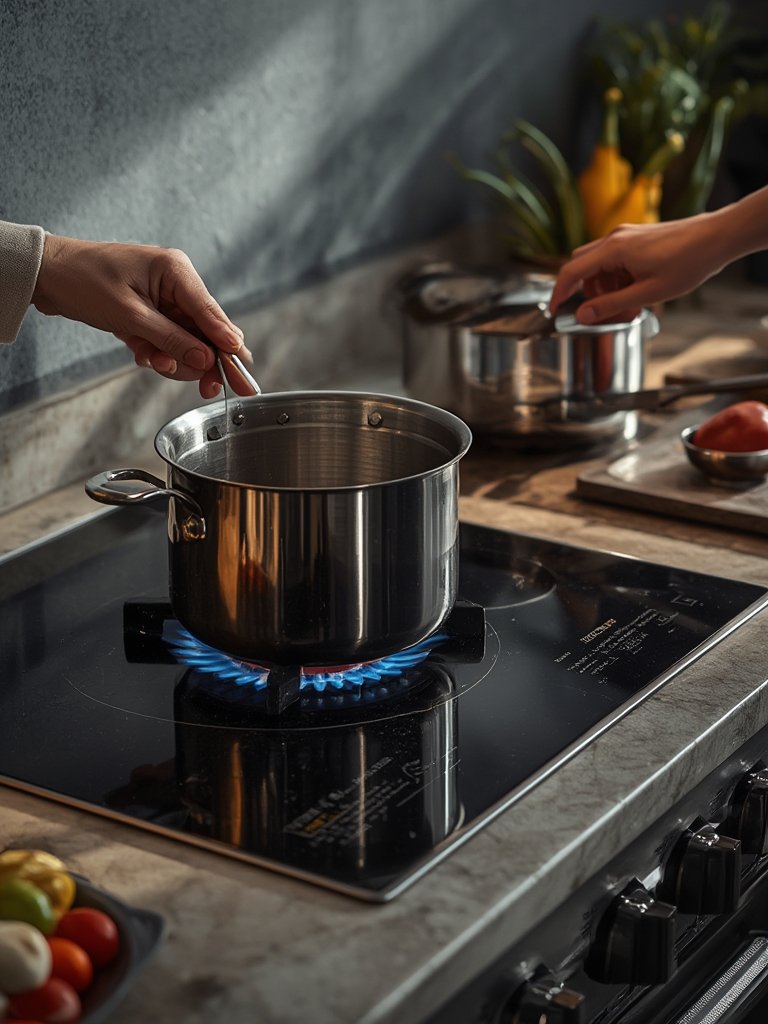
Upgrading your range is also a good opportunity to review other kitchen efficiency upgrades or add-ons, like smart electrical panels or even energy-saving heat pump water heaters.
Advanced Analysis & Common Pitfalls
A closer look at the data reveals real-world challenges beyond marketing claims. Here’s what to know before committing to induction or gas:
| Feature | Induction Range | Gas Stove |
|---|---|---|
| Market Trend (2024-2026) | Rapidly rising adoption, many new incentives | Declining share, especially in new builds |
| Energy Efficiency | Up to 85% efficient | About 32% efficient |
| Operating Cost | Lower (depends on regional electric rates) | Higher (dependent on gas prices) |
| Installation Complexity | Needs 240V (potential panel upgrade) | Needs gas lines, may need enhanced ventilation |
| Long-Term User Pros | Speed, child-safety, easy cleaning | Visual flame control, familiar for cooks |
| Long-Term User Cons | Requires compatible cookware, perceived EMF risk | Indoor air quality, harder to clean, more risk of burns |
| Performance (Pro Reviews 2026) | Perfect temperature uniformity (GE, Whirlpool) | Broader temp swings, uneven skillet heating |
| Incentives Available | $700+ credits, electrification rebates | Not eligible for new electrification credits |
| Building Code Compliance | Favored in new builds and Energy Ready programs | Increasingly restricted in new construction (CA, NY, WA) |
Common Pitfalls and Problems:
- Electrical Upgrades: Many older homes lack a dedicated 240V circuit. Bringing your panel up to code can add hundreds (sometimes thousands) to the total cost. Check utility requirements before starting.
- Cookware Confusion: Stainless steel or cast iron is required. Some specialty cookware (copper, aluminum, glass) won’t work unless it has a magnetic base.
- Cooking Technique Adjustment: No visible flame feedback can be tricky for cooks used to gas. Some rapid-heat wok or open-flame techniques may not translate directly, though most home users do adapt.
- Magnetic Field Myths: Persistent EMF (electromagnetic field) concerns remain common. Scientific consensus finds no proven risk at normal household exposure, but user perception can still be a barrier.[details]
- Gas Availability for Older Homes: No nationwide gas ban exists as of 2026, but regions like California, Washington, NYC, Colorado, and Massachusetts restrict gas in most new homes.See ways to prepare for these transitions.

As codes and rebates change, builders are quickly standardizing on induction to avoid the costs of extra ventilation and panel upgrades linked to resistance-coil electrics.Get the latest induction adoption rate study here.
For even more ways to future-proof your home appliances and finishes, see actionable guides on DIY floor upgrades and automation for daily cleaning.
Conclusion
Choosing between an induction range vs gas stove now means weighing more than just cooking style. With surging adoption, high efficiency, and increasing incentives, induction is fast becoming the standard in new kitchens and major renovations. Gas holds some advantages for specialized techniques, but for most homes, the switch leads to lower bills, healthier air, and better code compliance. Before deciding, evaluate your wiring, check for rebates, and be honest about which features matter most for your daily cooking. Ready to make the switch or want more kitchen upgrade ideas? Start with your own needs and budget—then take action today.
FAQ
Is induction really that much more efficient than gas?
Yes, induction ranges convert up to 85% of energy into cooking heat, while gas stoves convert only about 32%. This means faster boil times and lower energy bills, depending on your utility rates.
Will I need all new cookware for induction?
You need pots and pans with a magnetic base—cast iron, enameled steel, and most stainless steel work. If a magnet sticks, it’s compatible. Aluminum or copper will not work unless they have a magnetic layer.
Are there health risks linked to induction ranges?
Despite some consumer concerns about electromagnetic fields, scientific evidence has found no health risks from using induction ranges under normal household conditions.
Do all new homes have to use induction instead of gas?
No, but in states and cities like California, Washington, New York City, Massachusetts, and Colorado, gas hook-ups are increasingly restricted in new homes, making induction the default for many builders.
How much does it cost to install an induction range compared to gas?
No precise 2026 numbers are available, since costs depend on panel upgrades and wiring for induction, and gas line/ventilation for gas. However, federal rebates for induction can offset much of the cost difference.